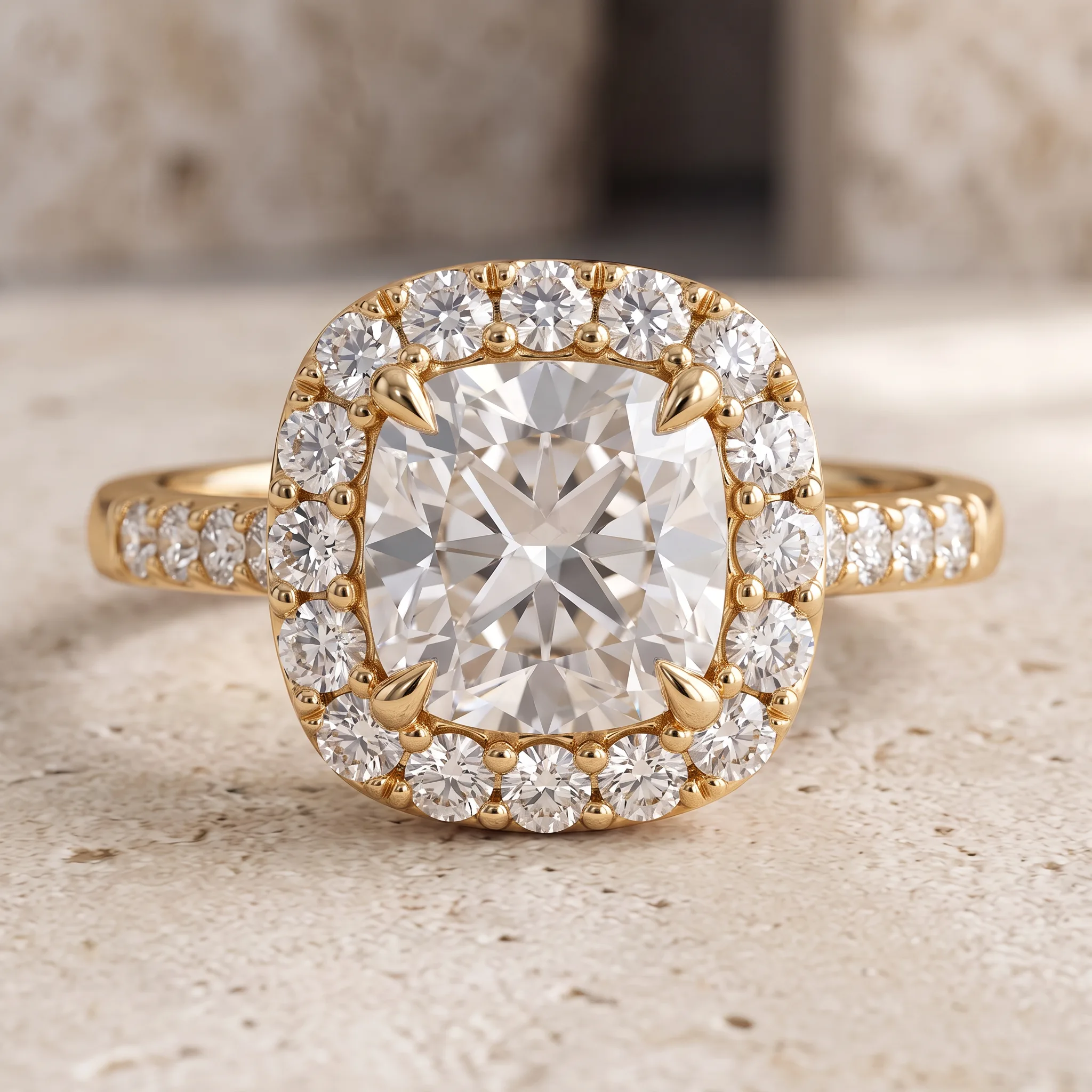
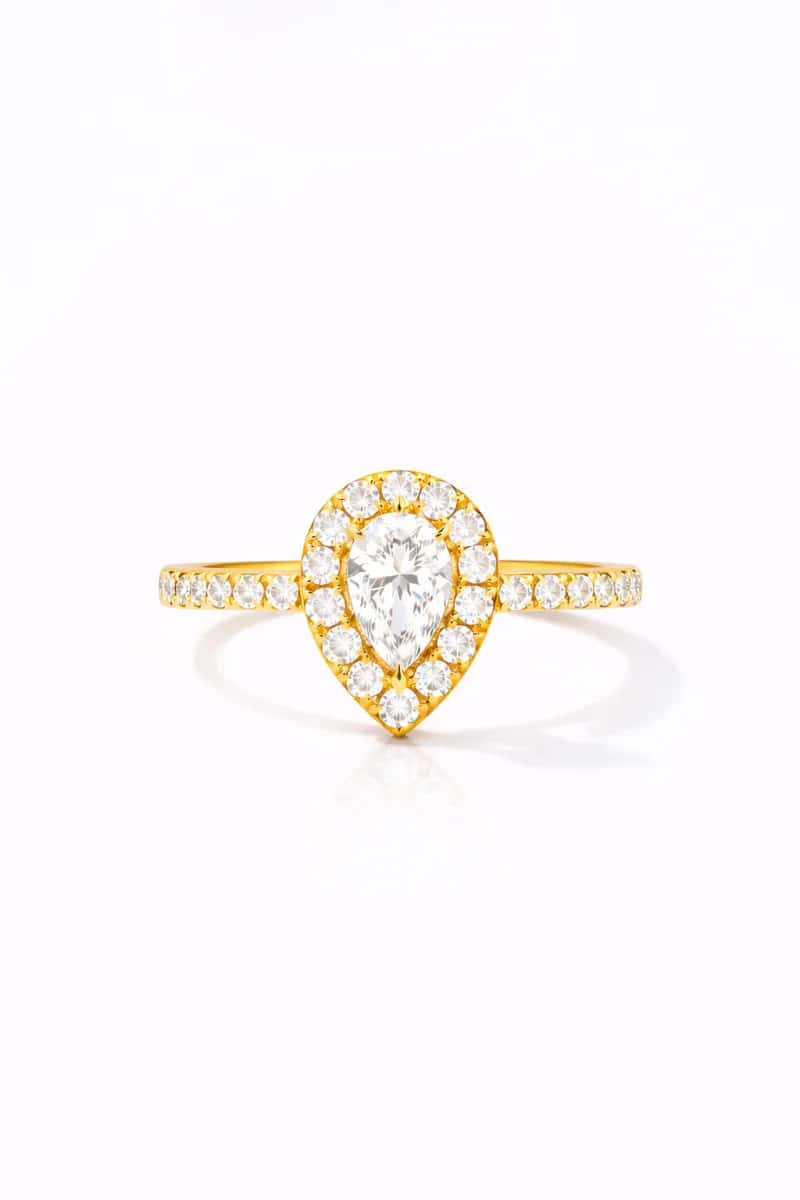
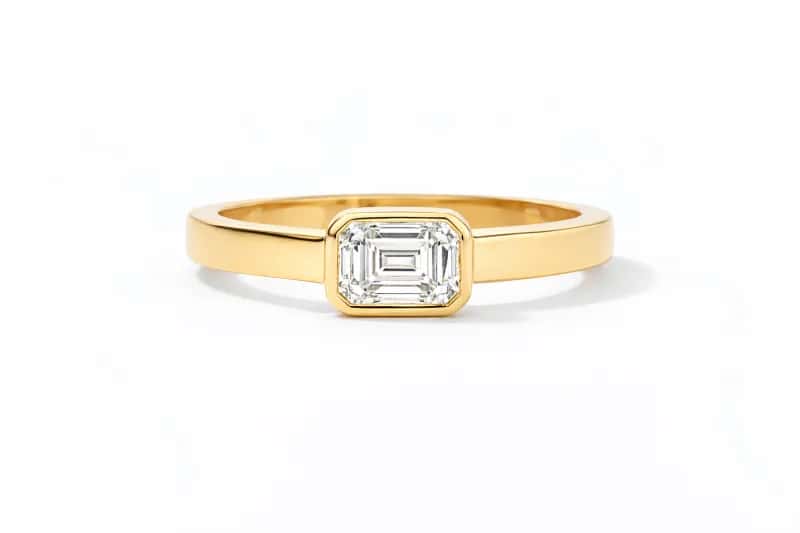
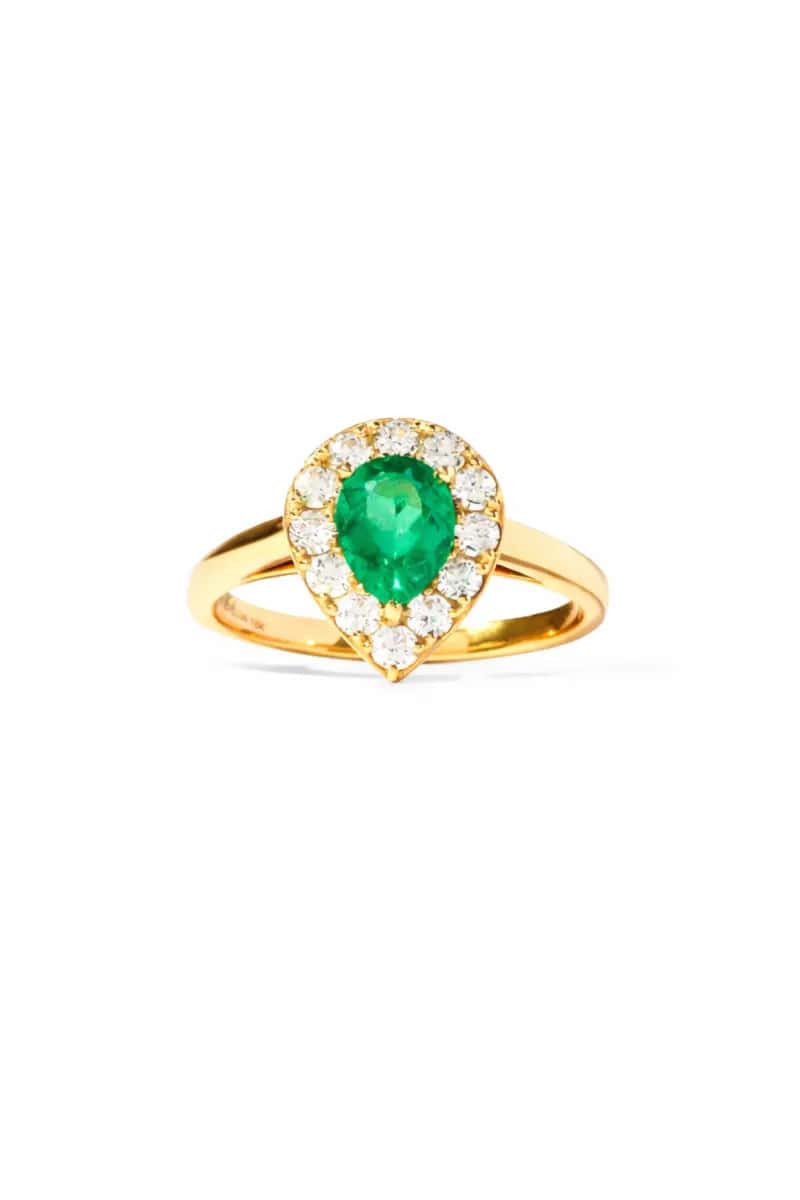
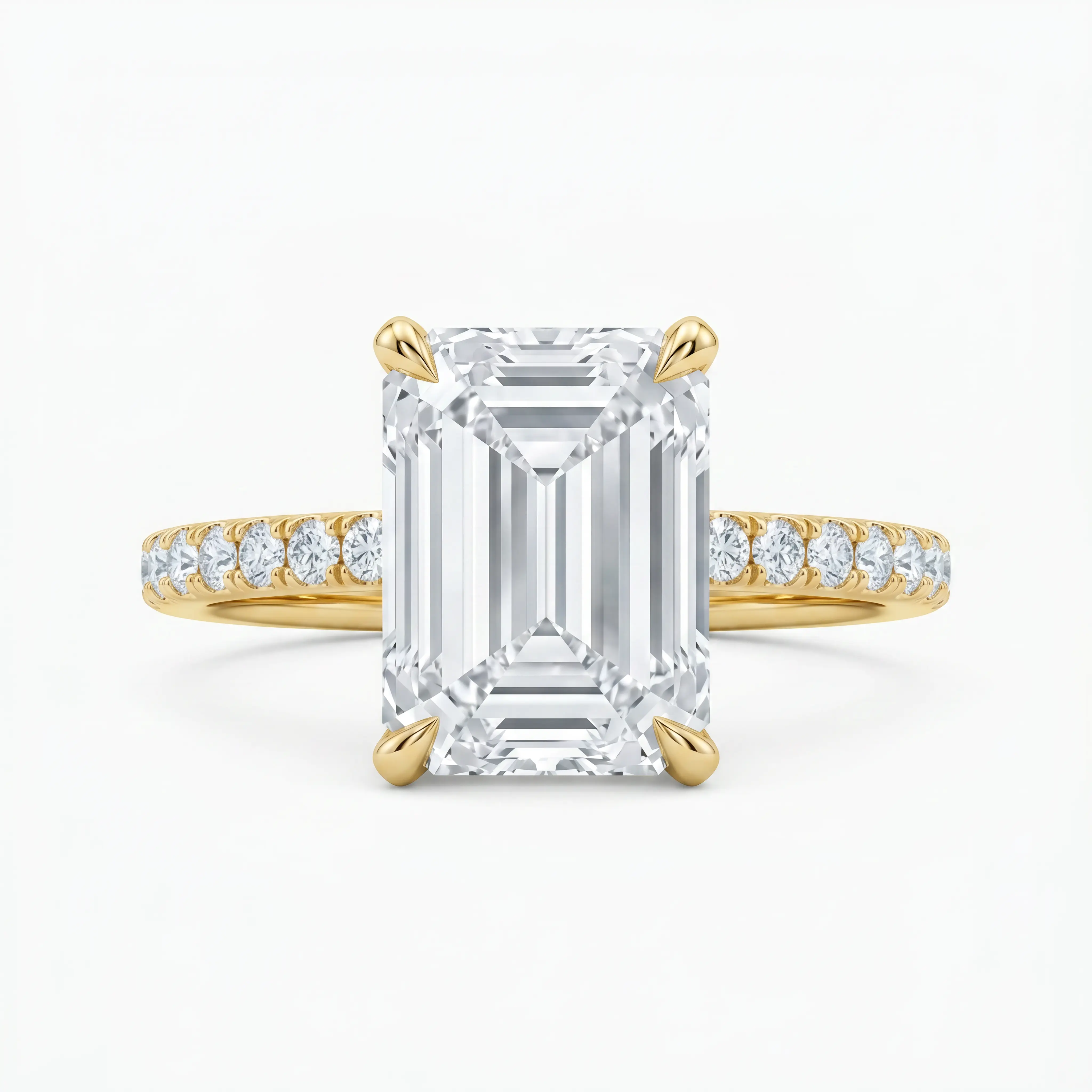
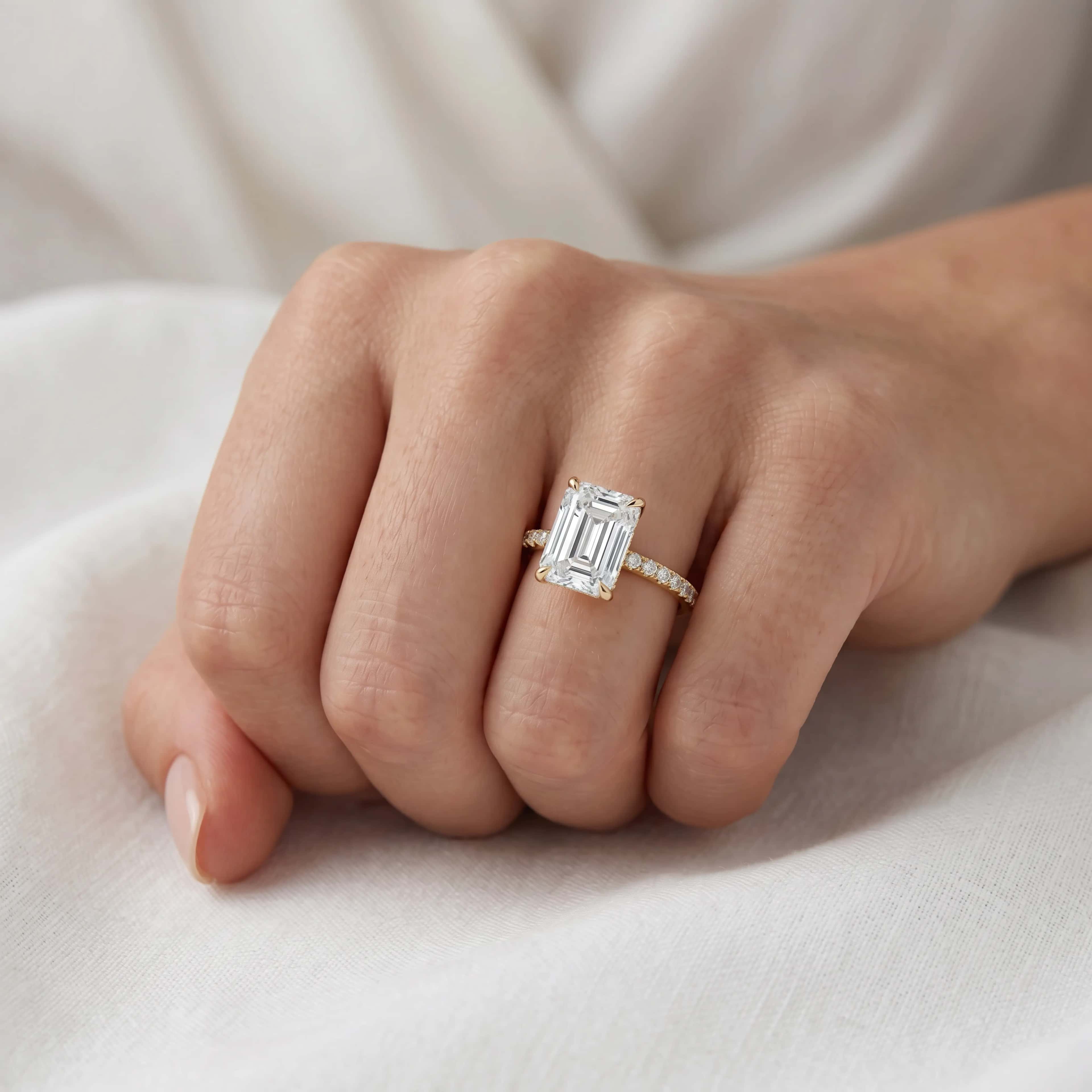
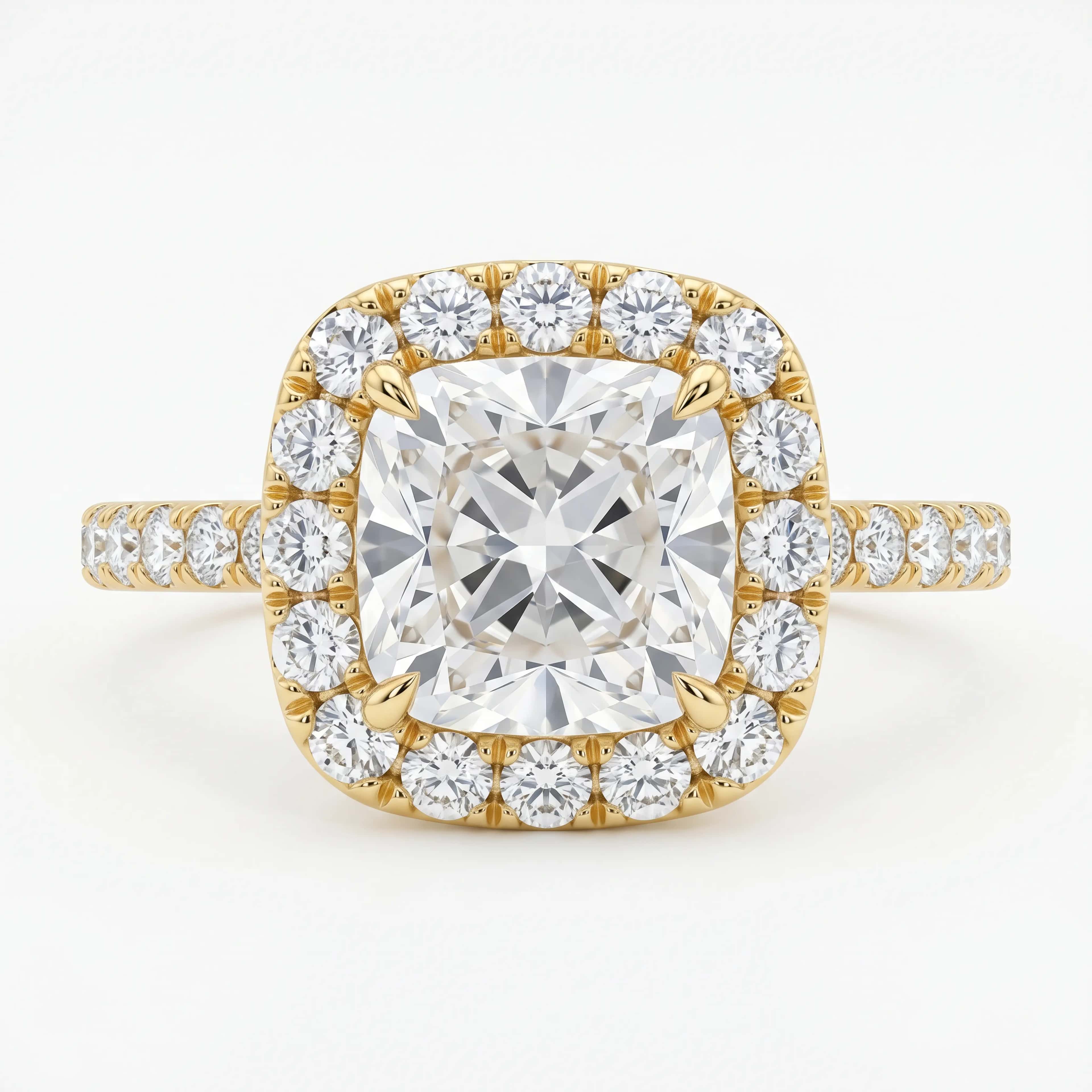
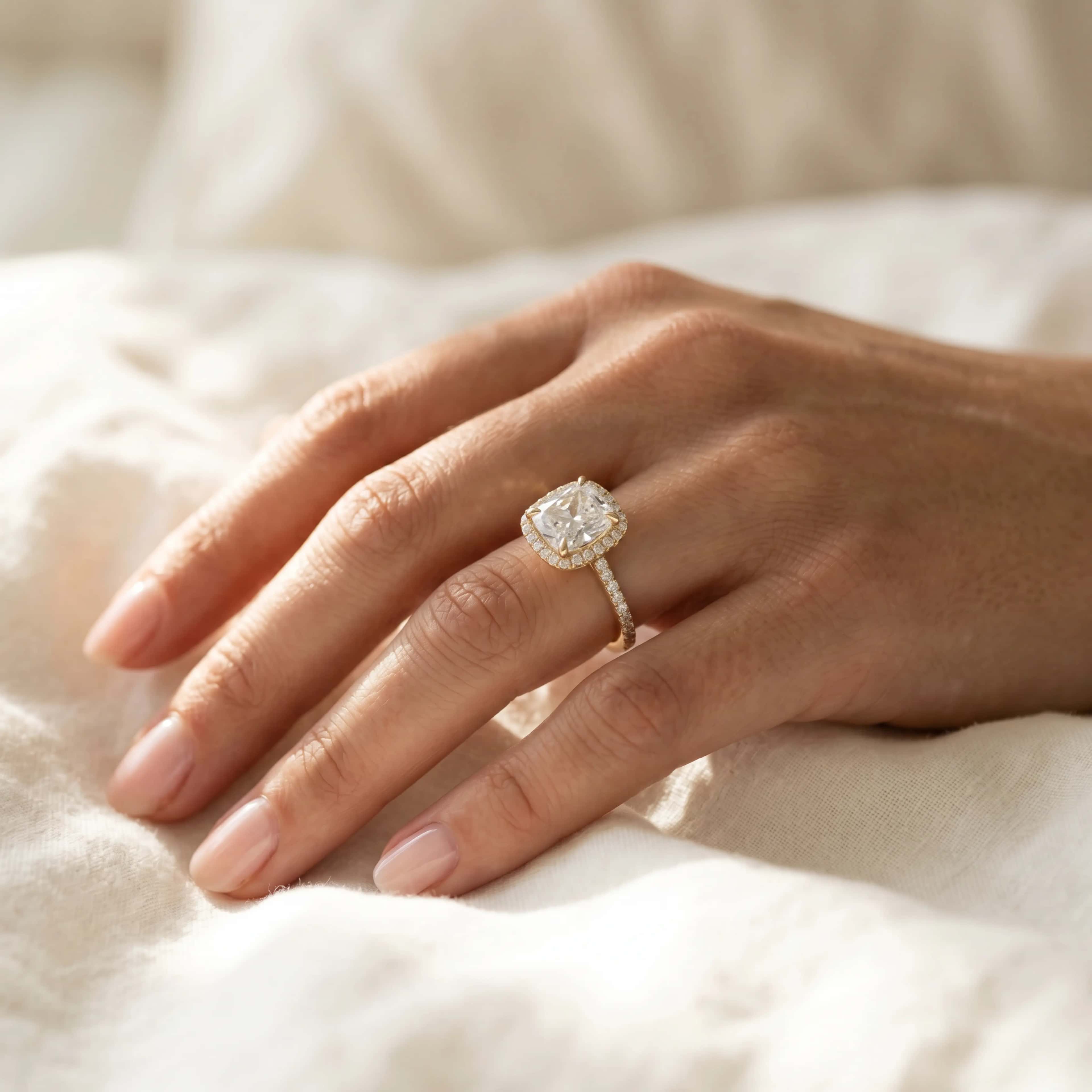
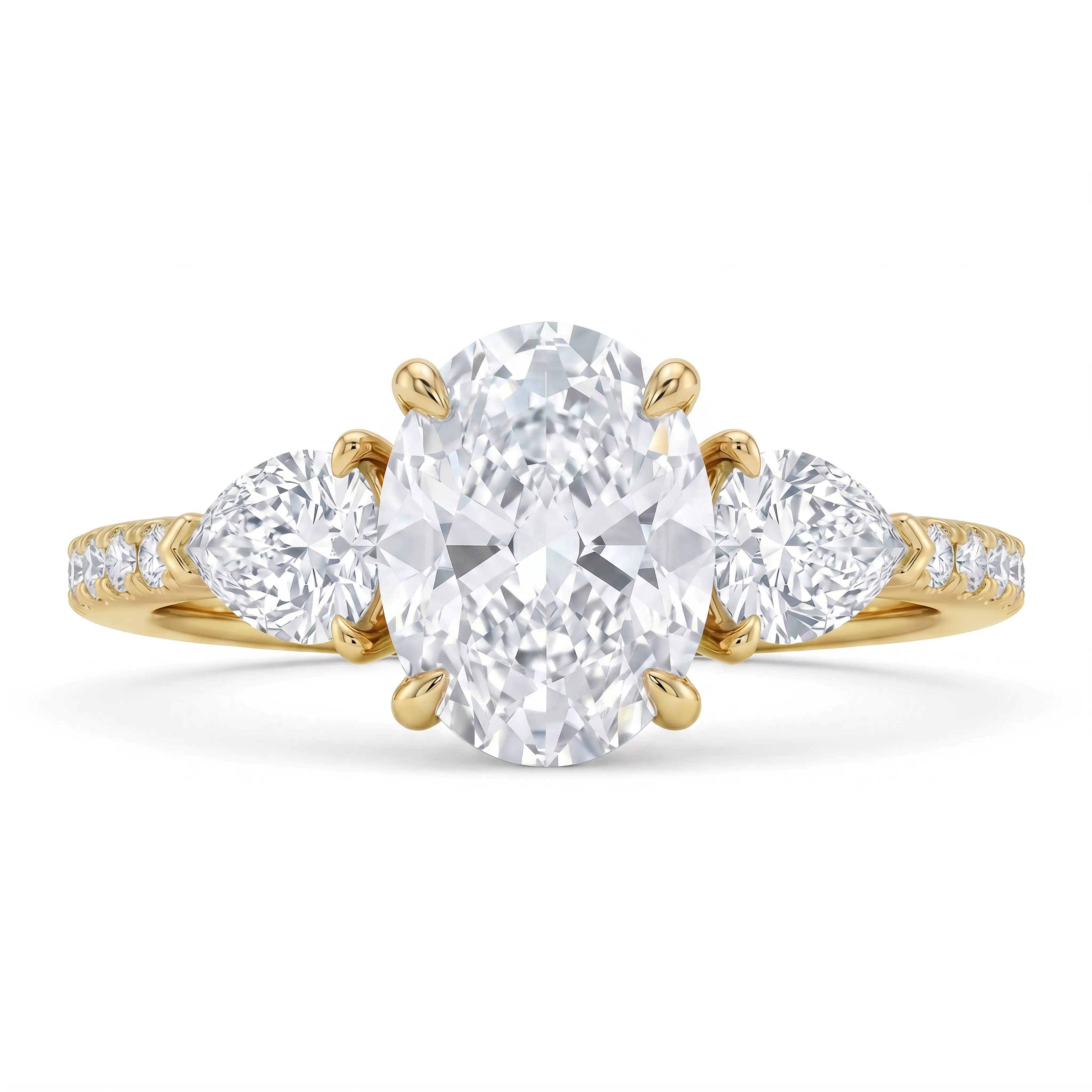
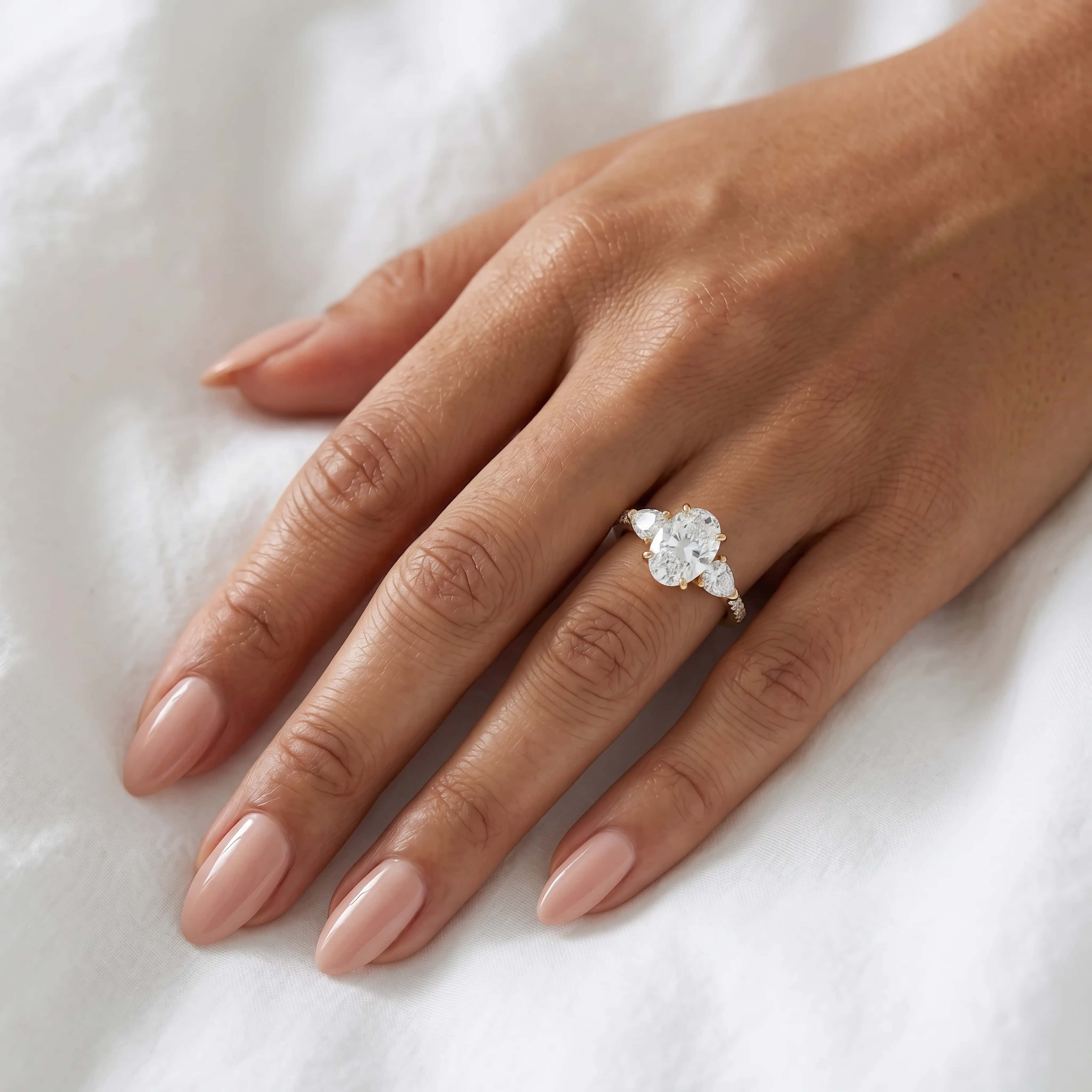
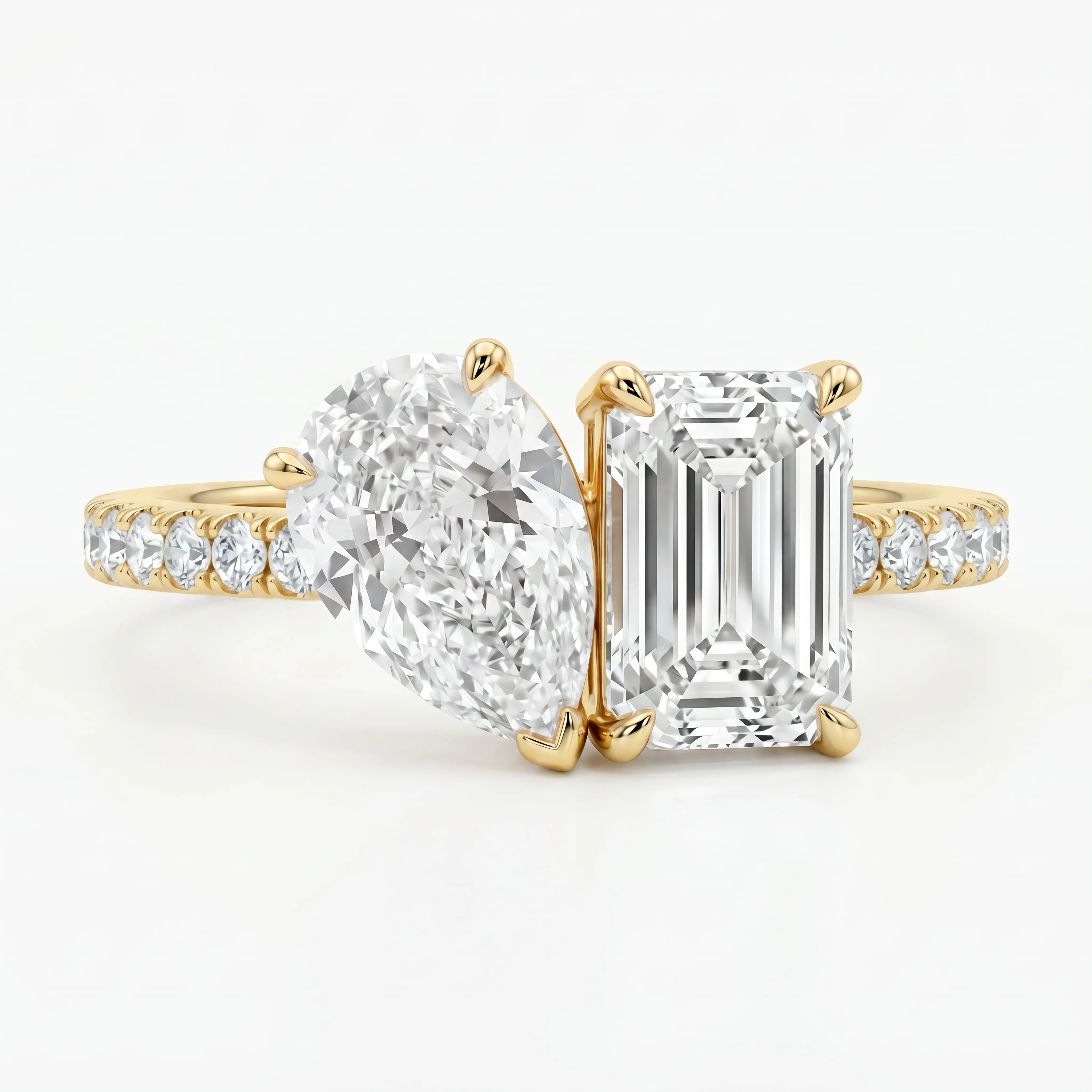
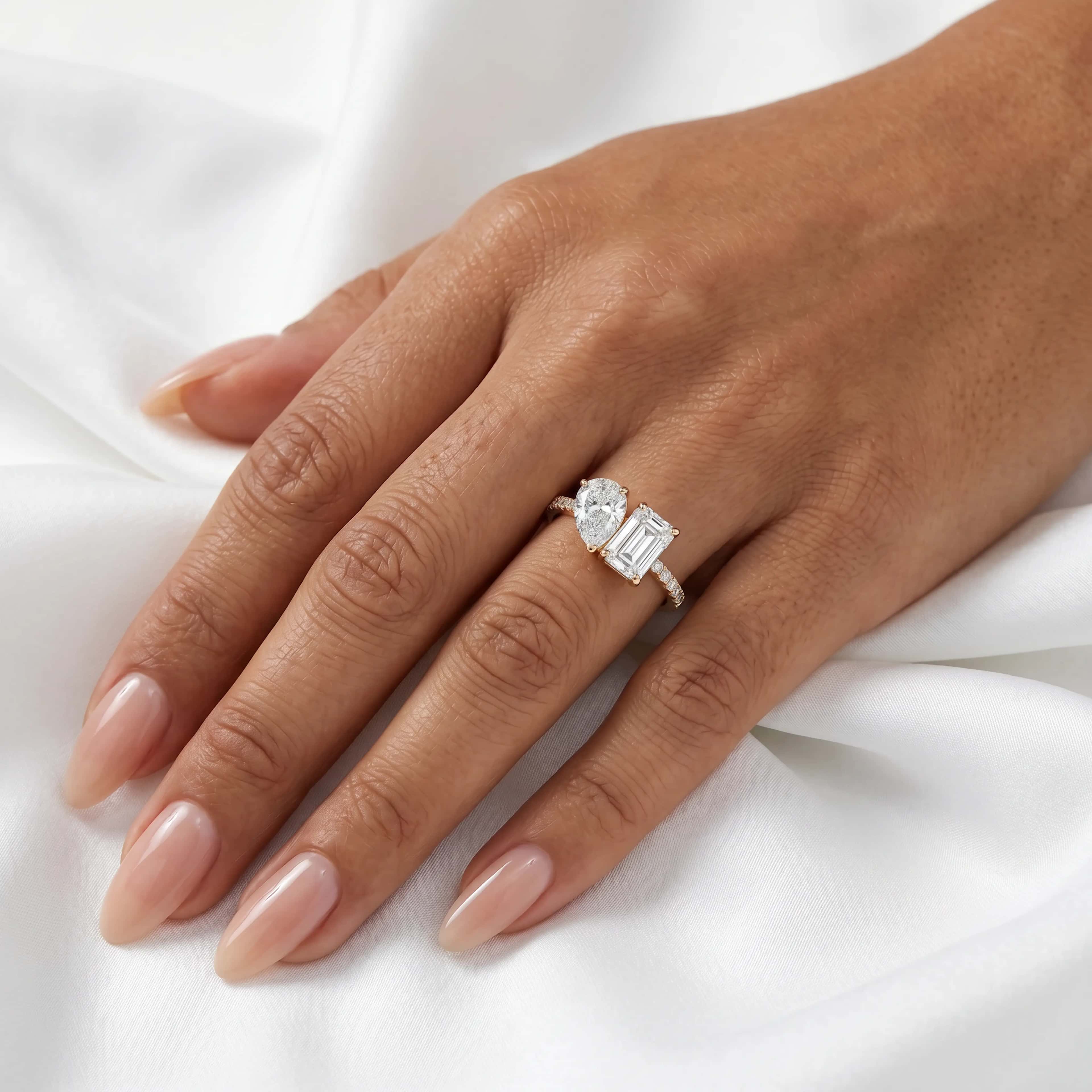
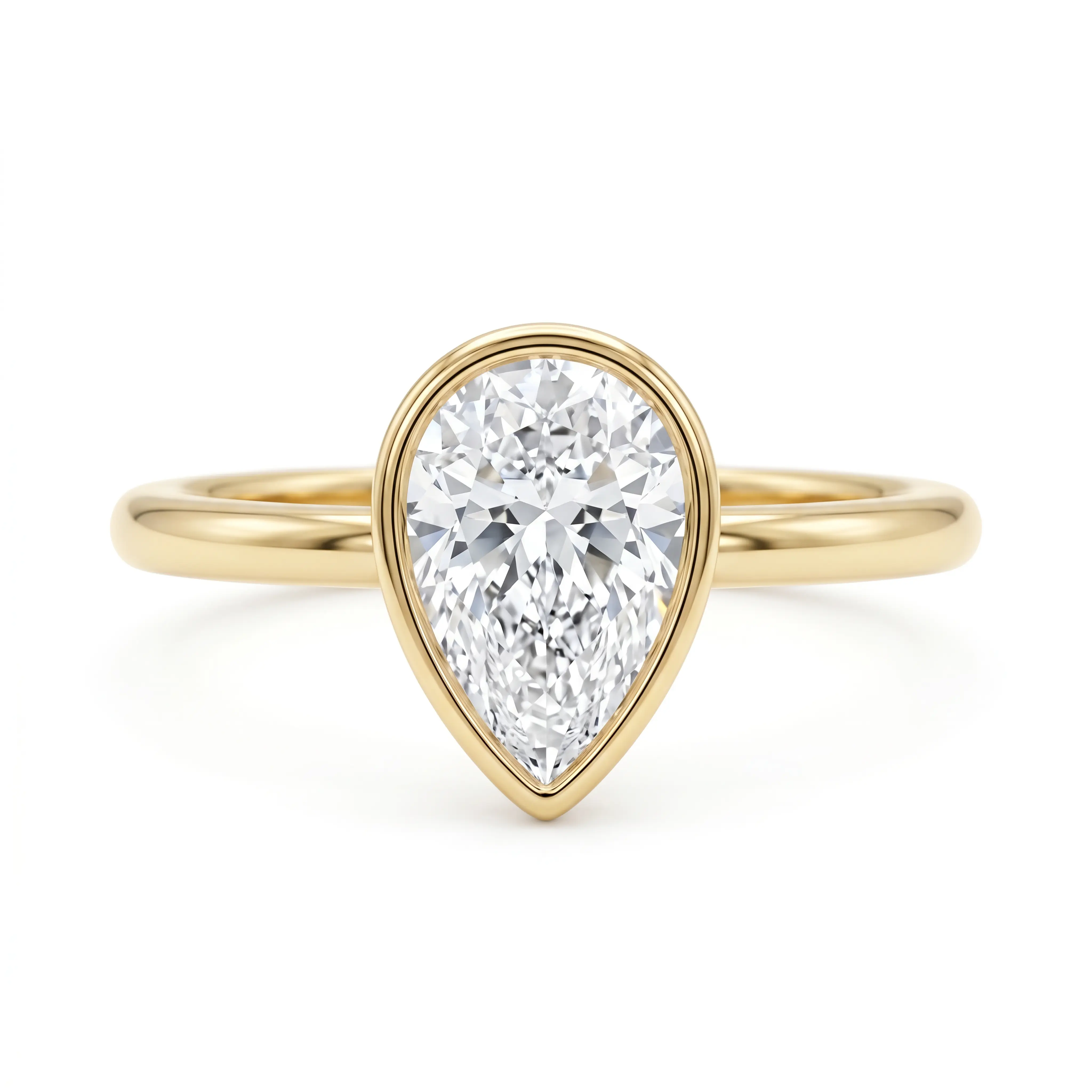
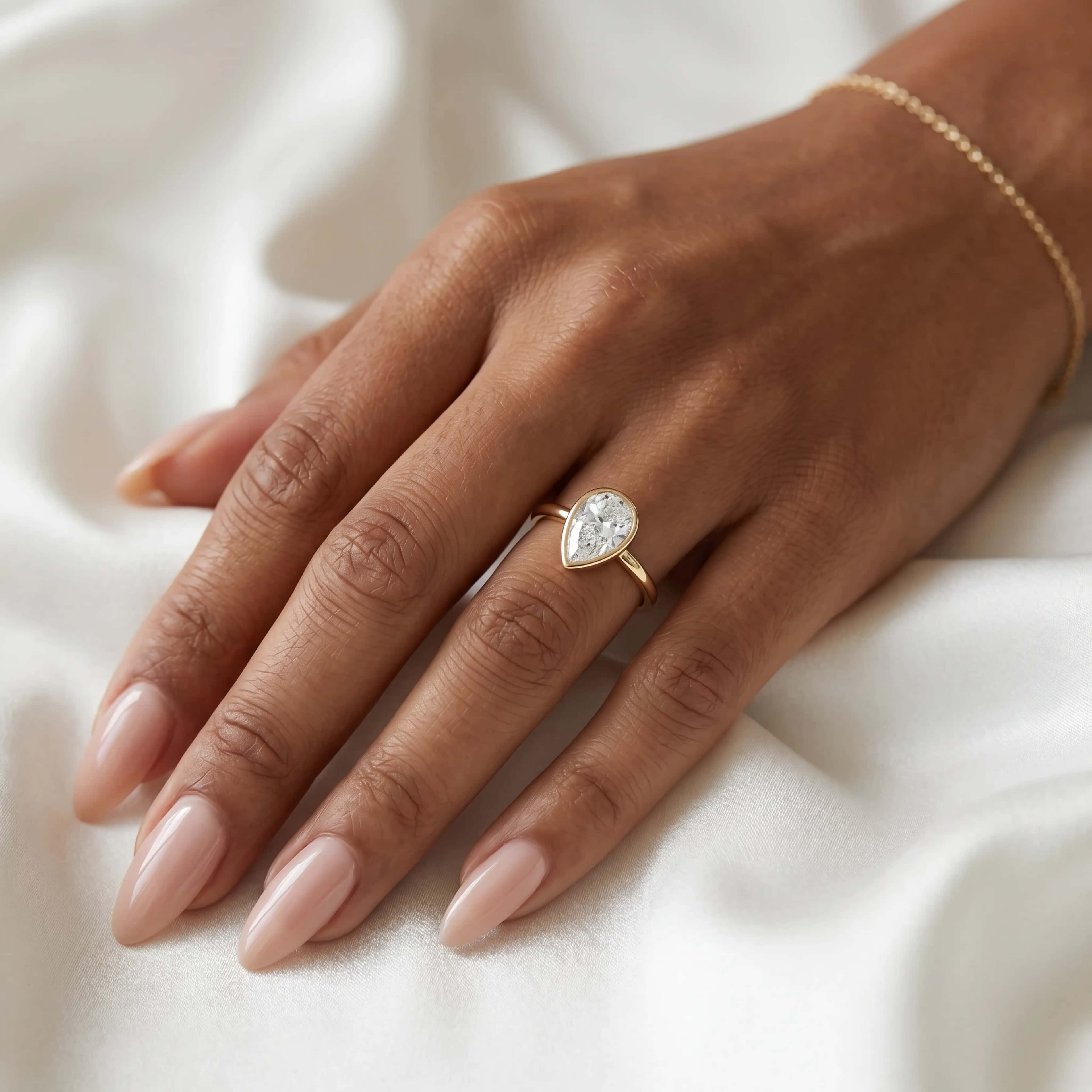
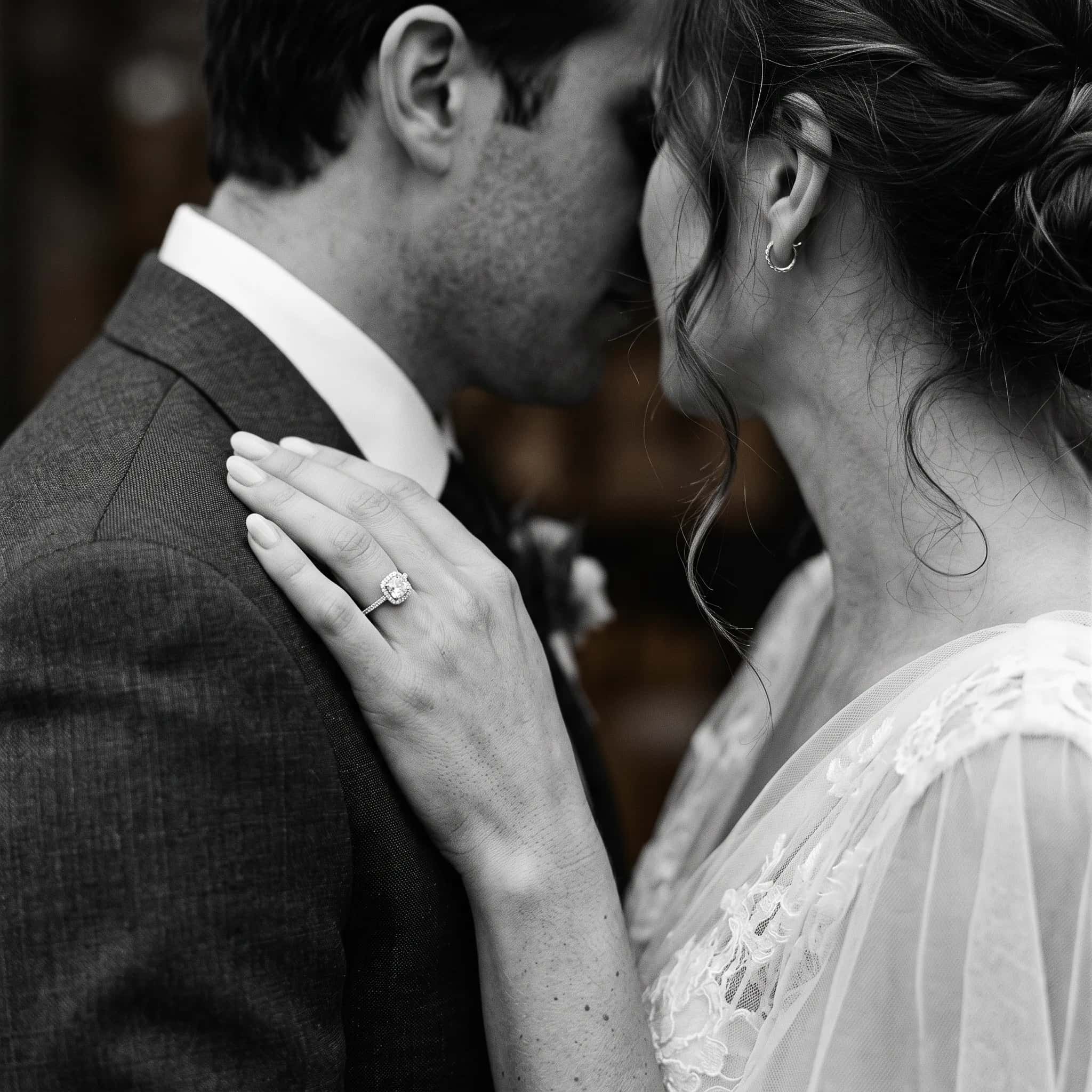
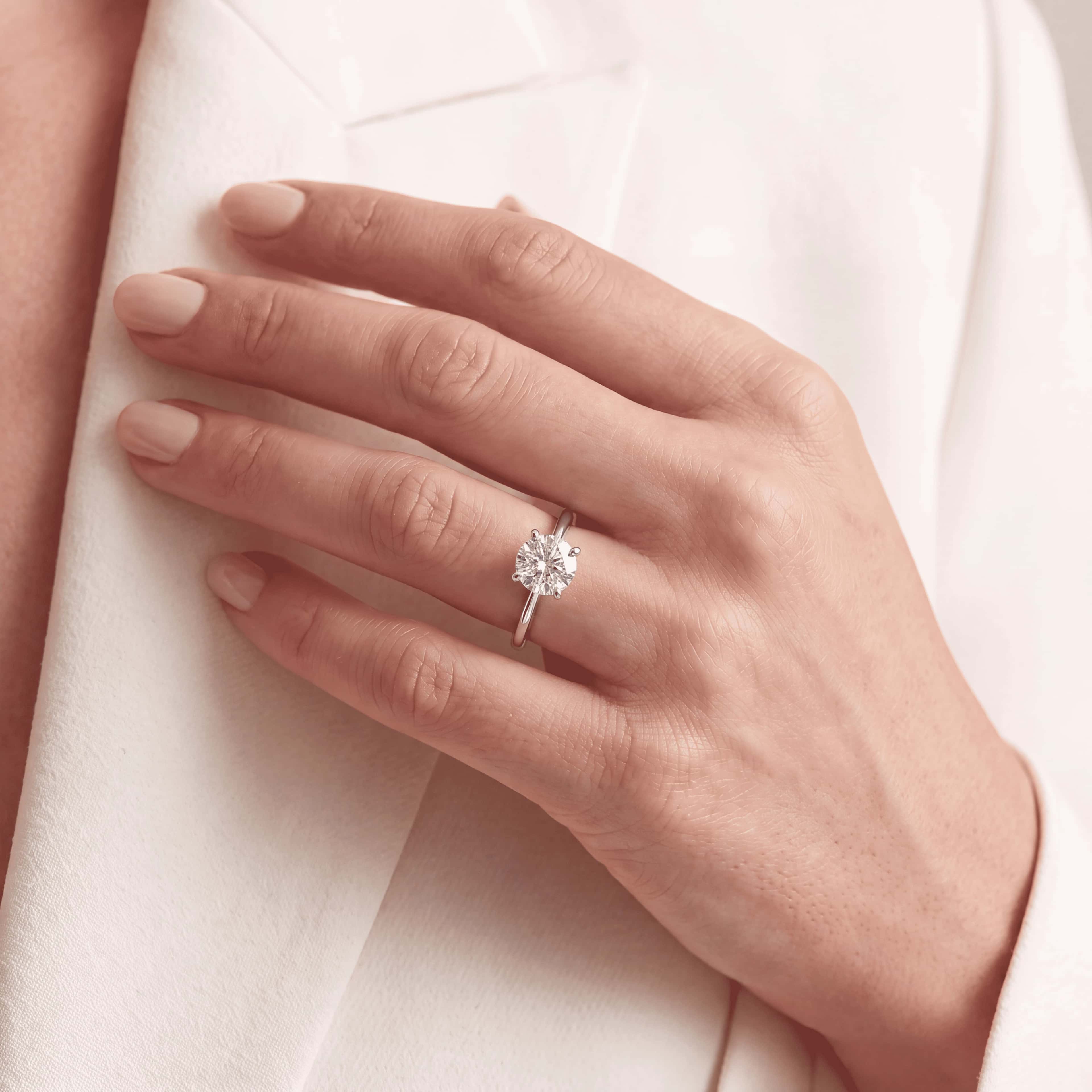
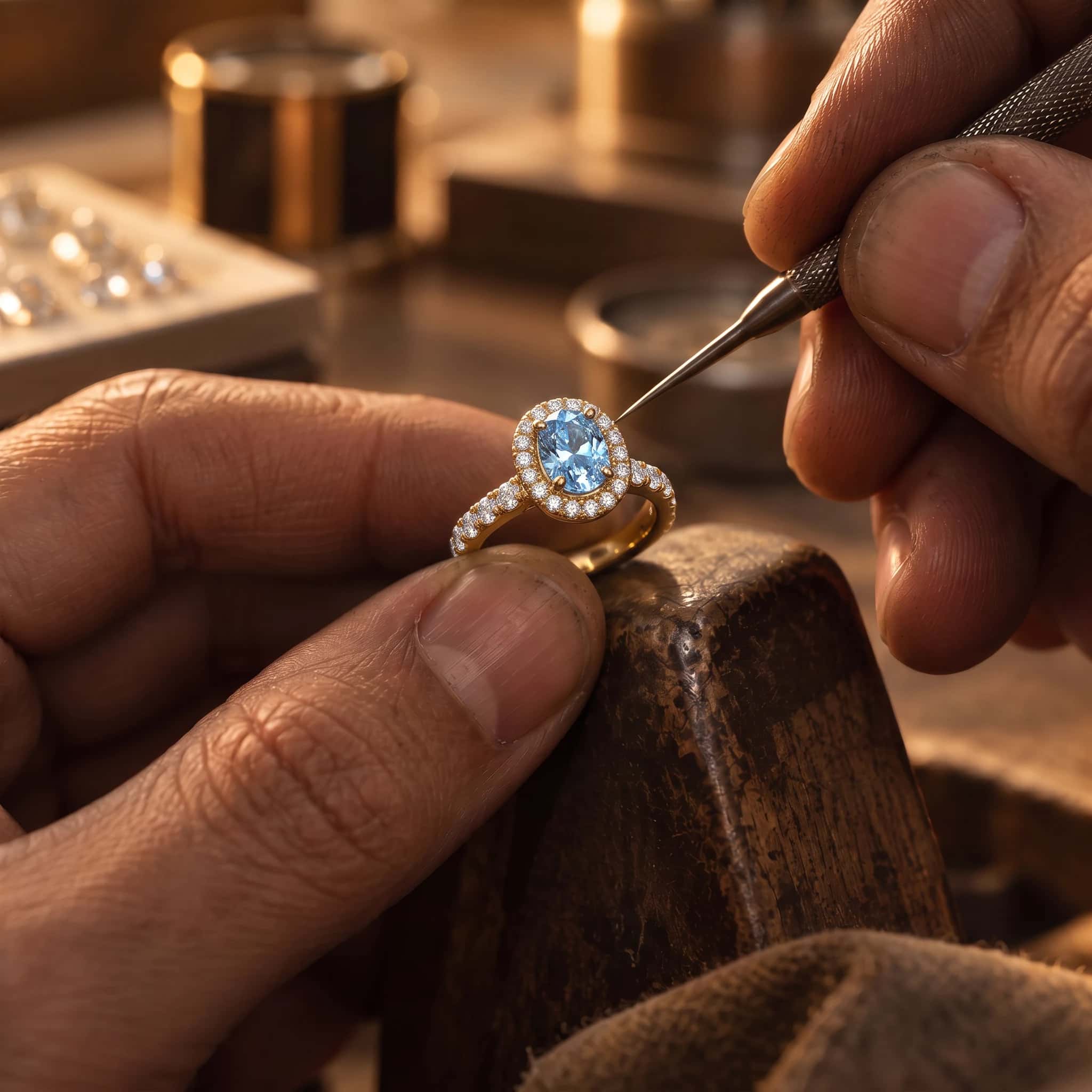
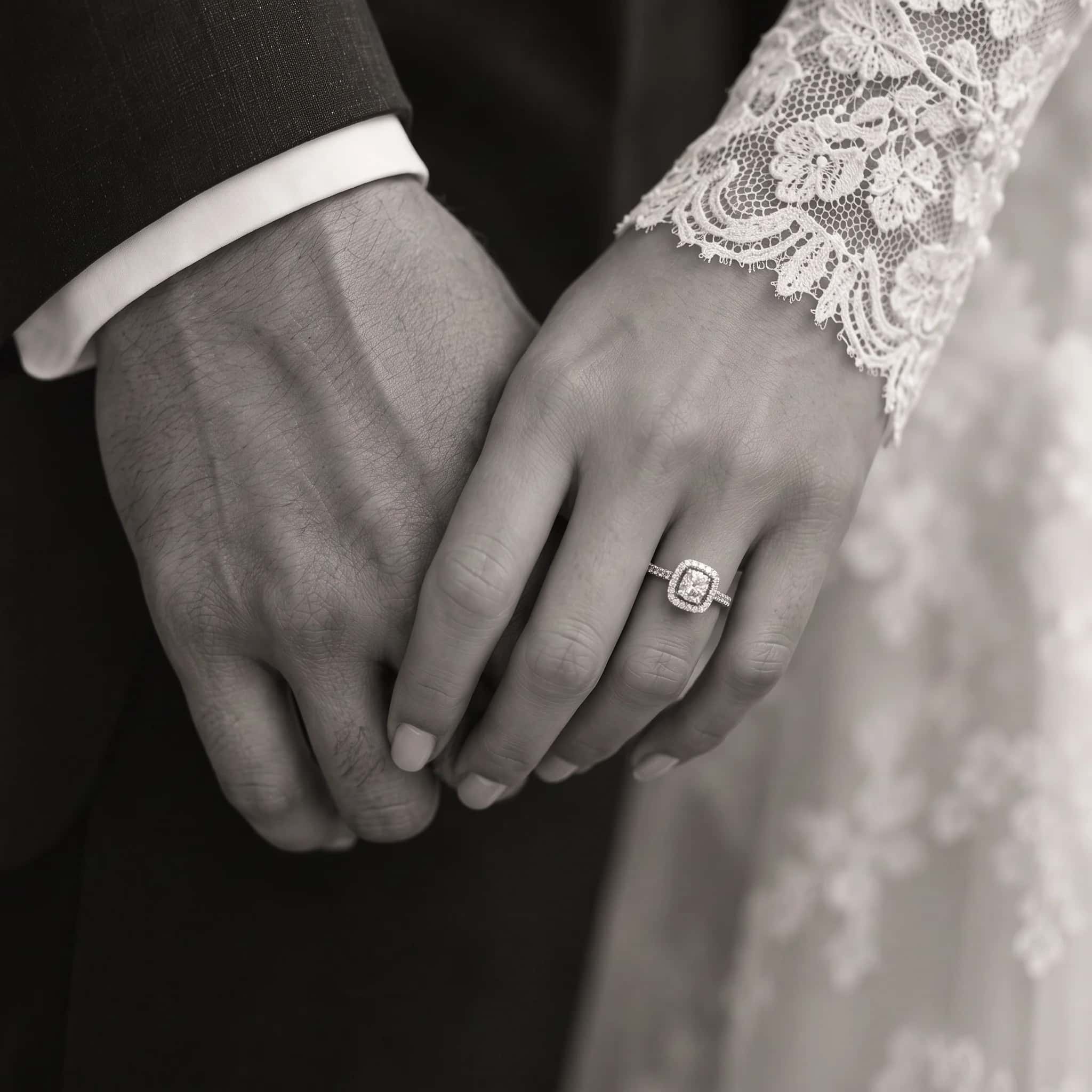
Diamond engagement ring from the Masaat London collection, set in platinum.

Diamond Engagement RingsLuxury Engagement Rings by Masaat

Masaat London creates engagement rings for people who want a ring that feels personal, not just purchased. Every ring is built from carefully selected natural diamonds, lab-grown diamonds or coloured gemstones, set by hand into designs that range from quiet solitaires to bold statement pieces — grouped so you can explore by stone, style, shape and setting rather than scrolling an unsorted grid.

Explore Engagement Rings

Carefully Selected Diamonds and Gemstones

Every stone that enters a Masaat ring is chosen individually rather than bought in bulk — how a diamond's cut affects its brilliance, how a gemstone's colour holds up in daylight, and how consistent a stone looks in person against its certificate. Product pages set out stone type, shape, carat weight and setting clearly.

Natural and Lab-Grown Diamond Guidance

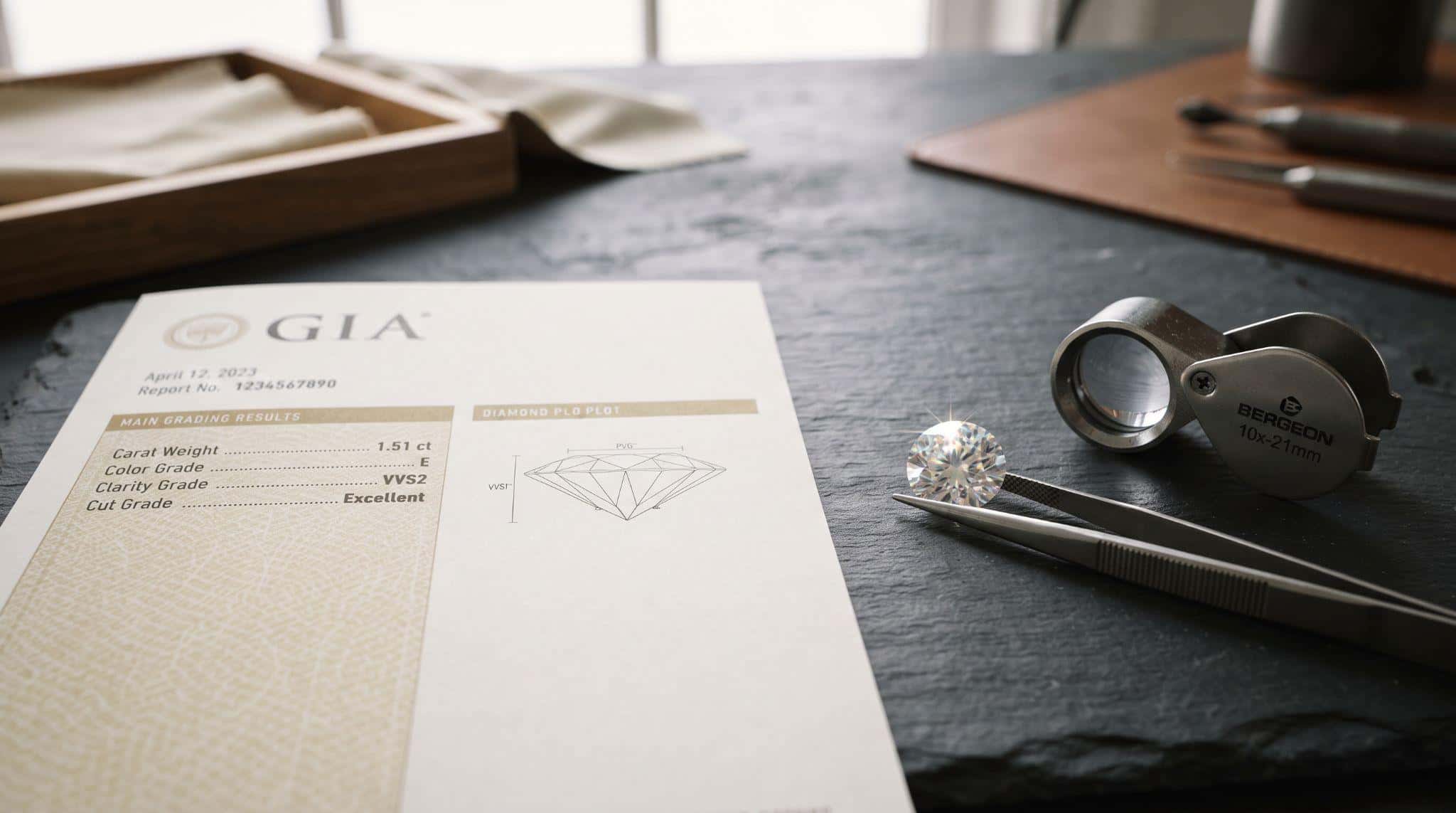
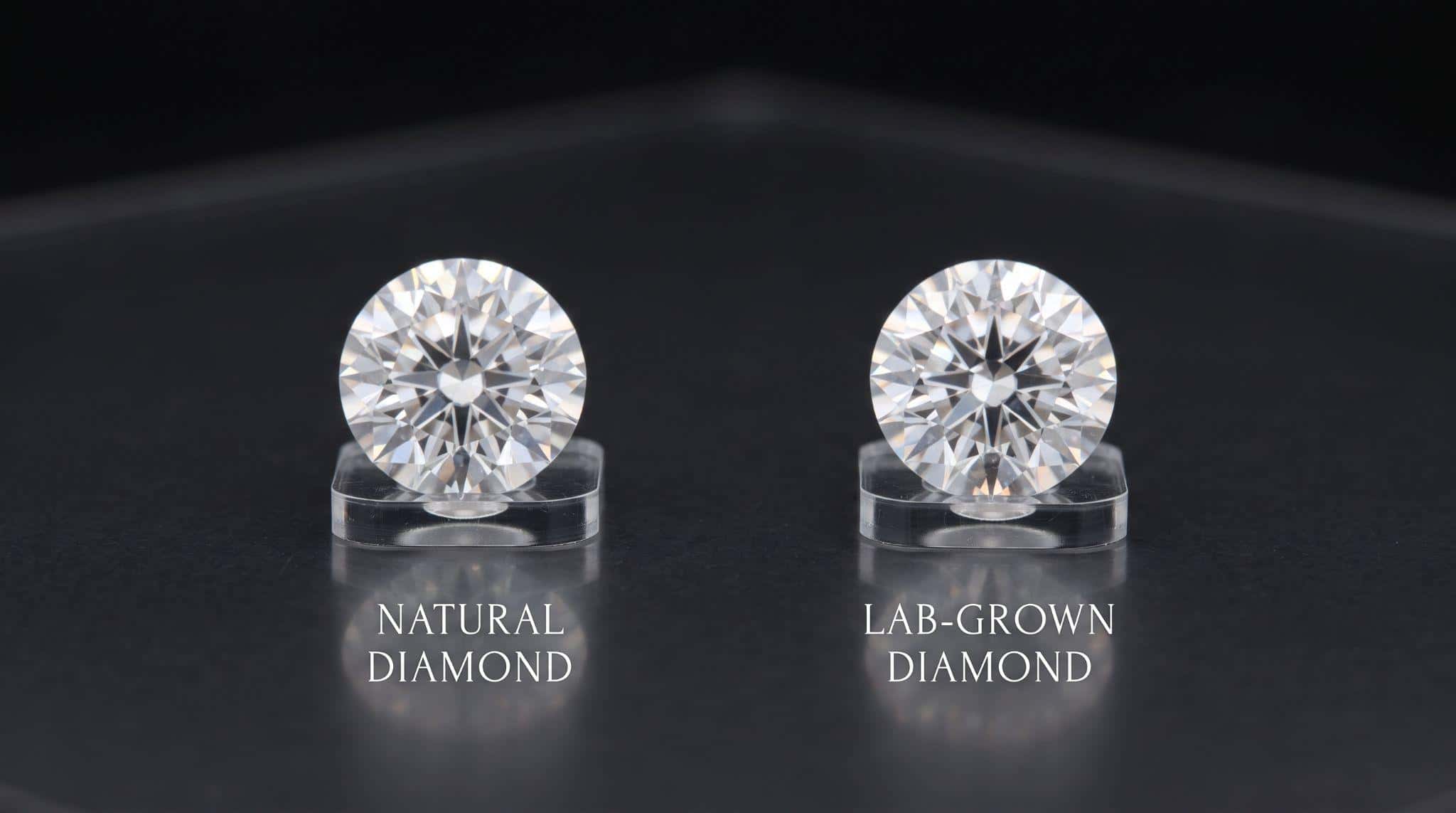
Choosing between a natural and a lab-grown diamond comes down to priorities rather than a single right answer. Natural diamonds are graded by the GIA; lab-grown diamonds share the same optical and chemical structure, are certified by the IGI, and typically cost less for a comparable size. We explain both routes plainly.

Bespoke Design Expertise

If nothing in the collection matches what you have in mind, our bespoke service starts with a consultation focused on your ideas and budget, moves into design development, then production in our workshop, before your finished ring is delivered — with a specialist guiding you at each stage.

Engagement and Wedding Ring Support

Setting height, band width, metal and the profile of the centre stone all affect how comfortably a wedding band will sit alongside your engagement ring later on, and we factor this into the advice we give at the design stage.

Shop Engagement Rings by Diamond and Gemstone Type

The most useful starting point for most customers is the stone itself. Natural diamonds, lab-grown diamonds and coloured gemstones each carry a different story, a different price structure and a different set of practical considerations, and the right choice usually comes down to what you value rather than what is objectively better.

Natural diamond engagement rings
Natural diamond engagement ring on model

Natural Diamond

Natural diamonds form deep within the earth over billions of years, which gives every stone its own character. Within Heirloom they are set into classic and vintage-inspired designs across solitaire, halo and trilogy settings, each independently graded by the GIA.

Explore natural diamond rings
Lab-grown diamond engagement rings
Lab-grown diamond engagement ring on model

Lab-Grown Diamond

Lab-grown diamonds share the same physical, chemical and optical properties as natural stones. Within Lumen they are set into contemporary designs, typically offering a larger carat size or higher grade for the same budget, with IGI certification supplied as standard.

Explore lab-grown diamond rings
Coloured gemstone engagement rings
Coloured gemstone engagement ring on model

Coloured Gemstone

For colour rather than, or alongside, a diamond, Atlas brings together emeralds, aquamarines, tourmalines and sapphires sourced for depth of colour. These gemstones can sit as the centre stone with diamond accents, or be combined with diamonds in a trilogy or toi-et-moi design.

Discover coloured gemstone rings

Explore Engagement Rings by Diamond Shape

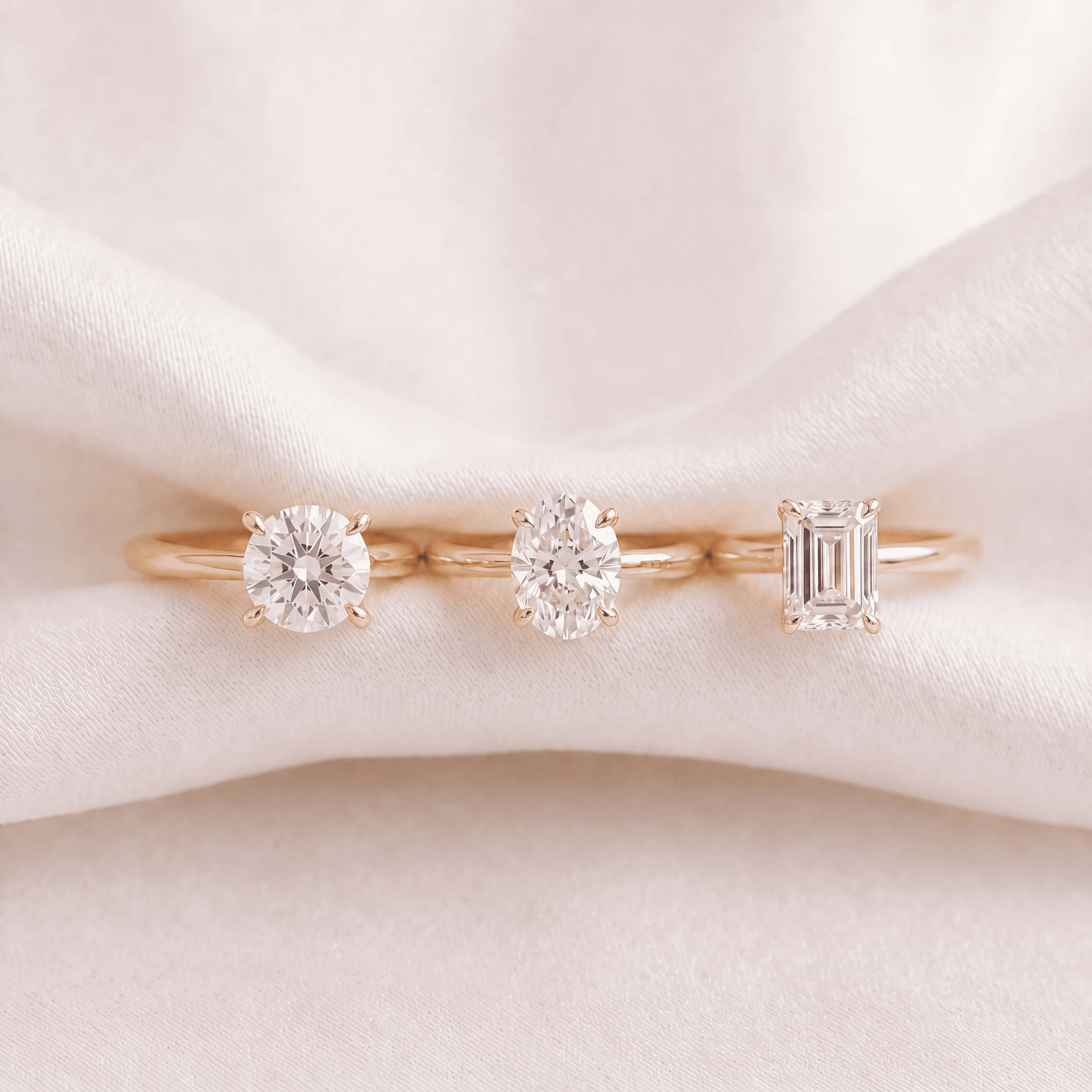
Diamond shape has a bigger effect on a ring's overall character than almost any other single choice. It changes how a stone catches light, how large it appears relative to its carat weight, and how it sits against the finger. Some shapes lend themselves naturally to a solitaire, while others come into their own inside a halo or trilogy arrangement.

Round
Round

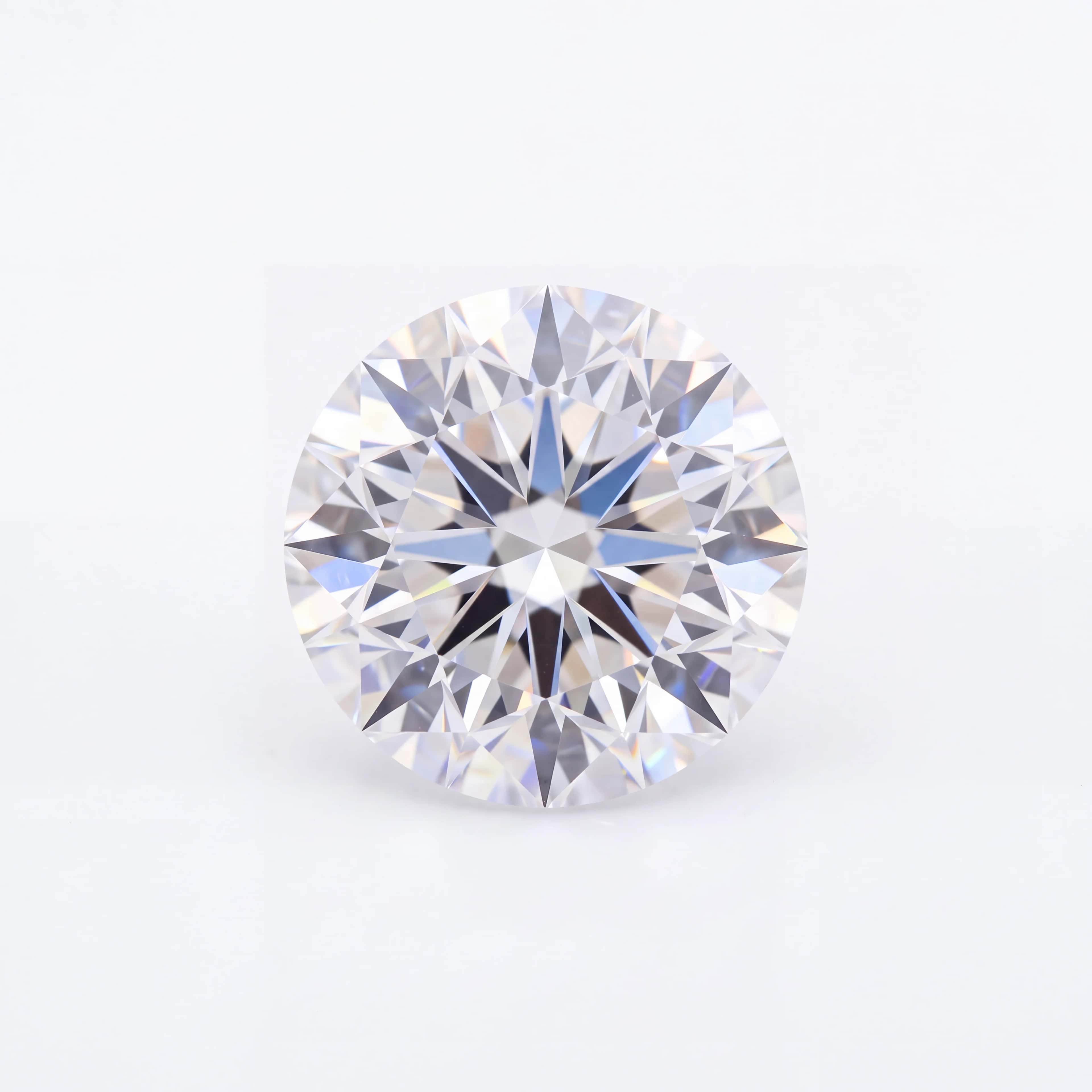
The round brilliant cut is engineered for maximum light return and remains the most popular shape for engagement rings, suiting both solitaire and halo settings.

Oval
Oval

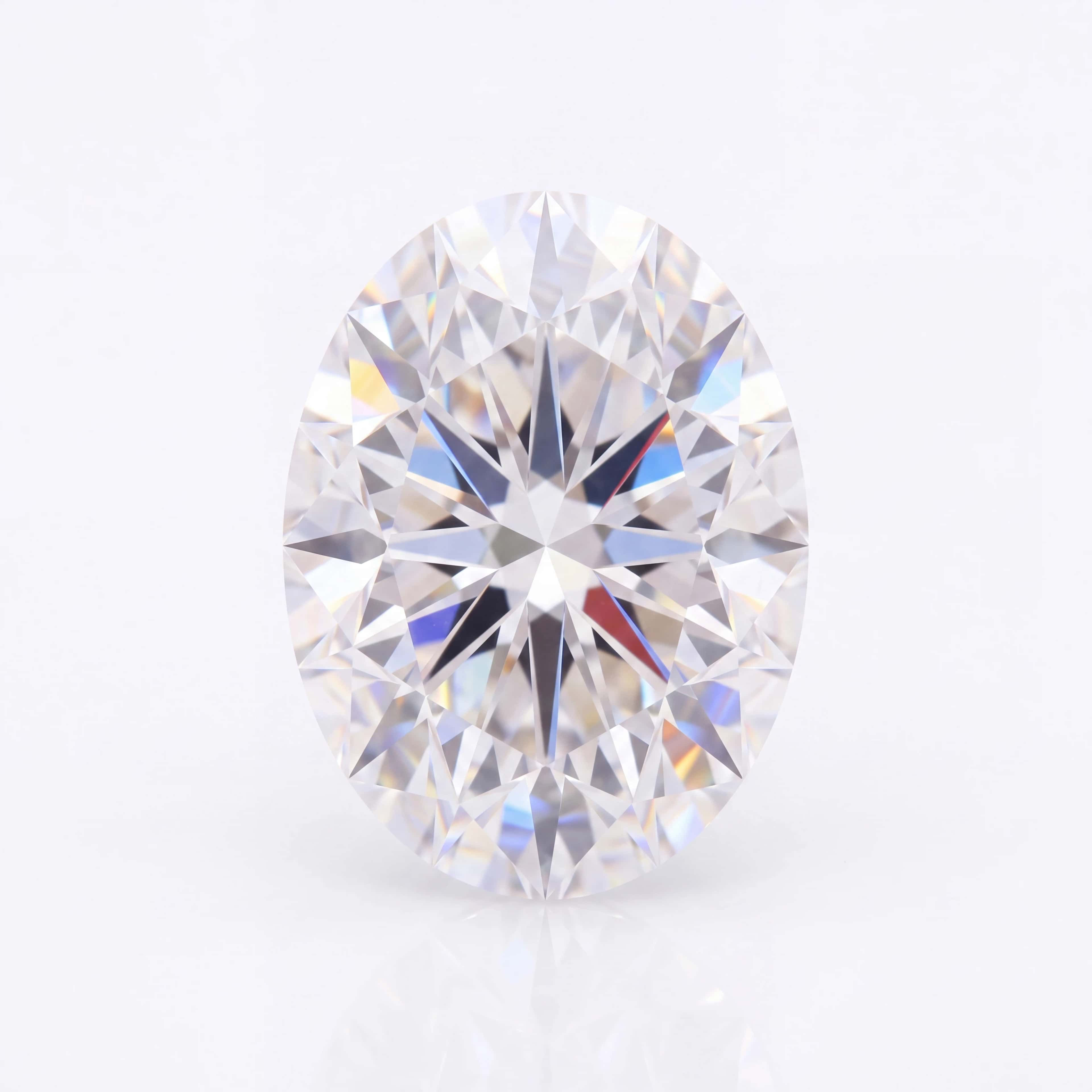
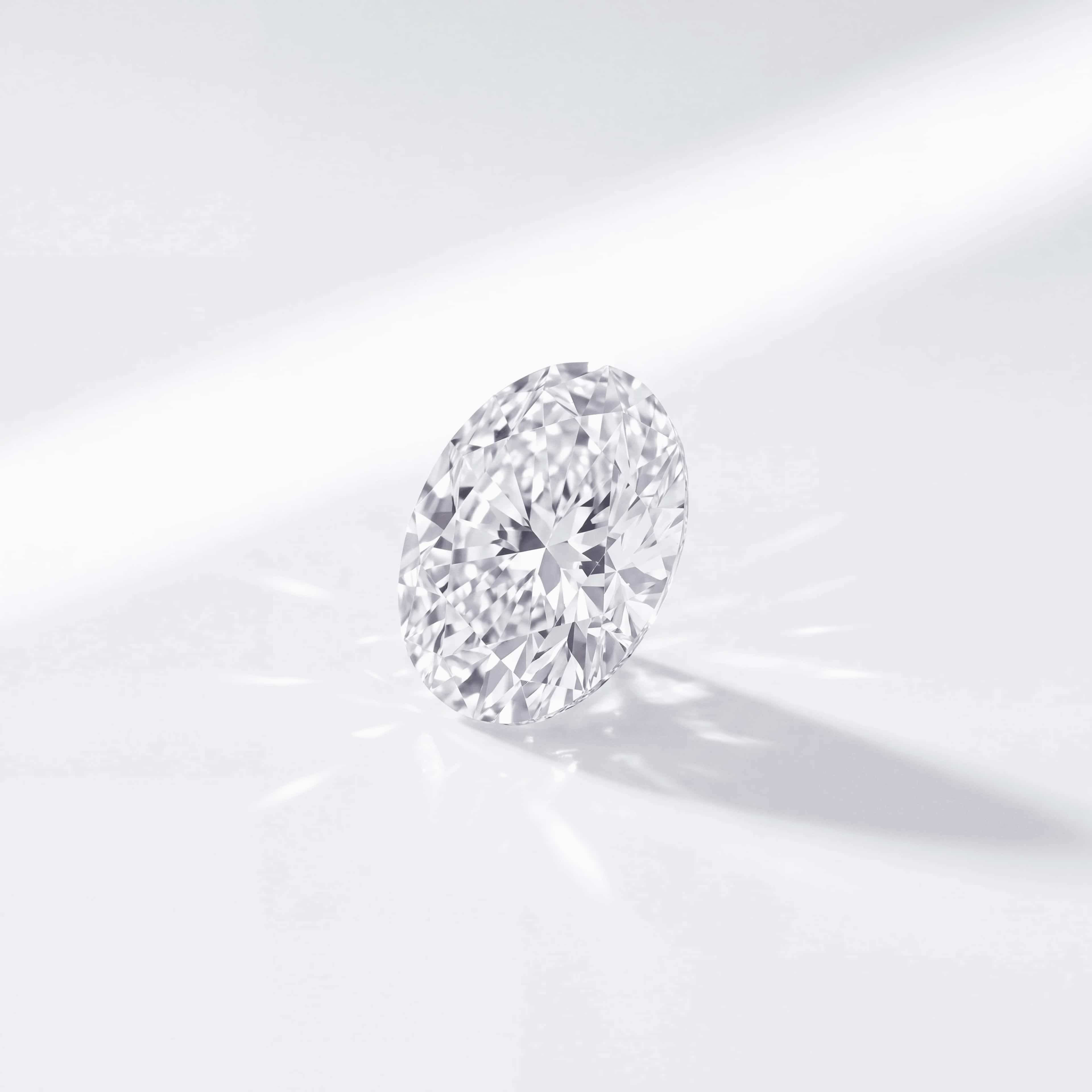
An oval's elongated outline gives it more visual spread than a round stone of the same carat weight, and can create a flattering, finger-lengthening effect.

Emerald
Emerald

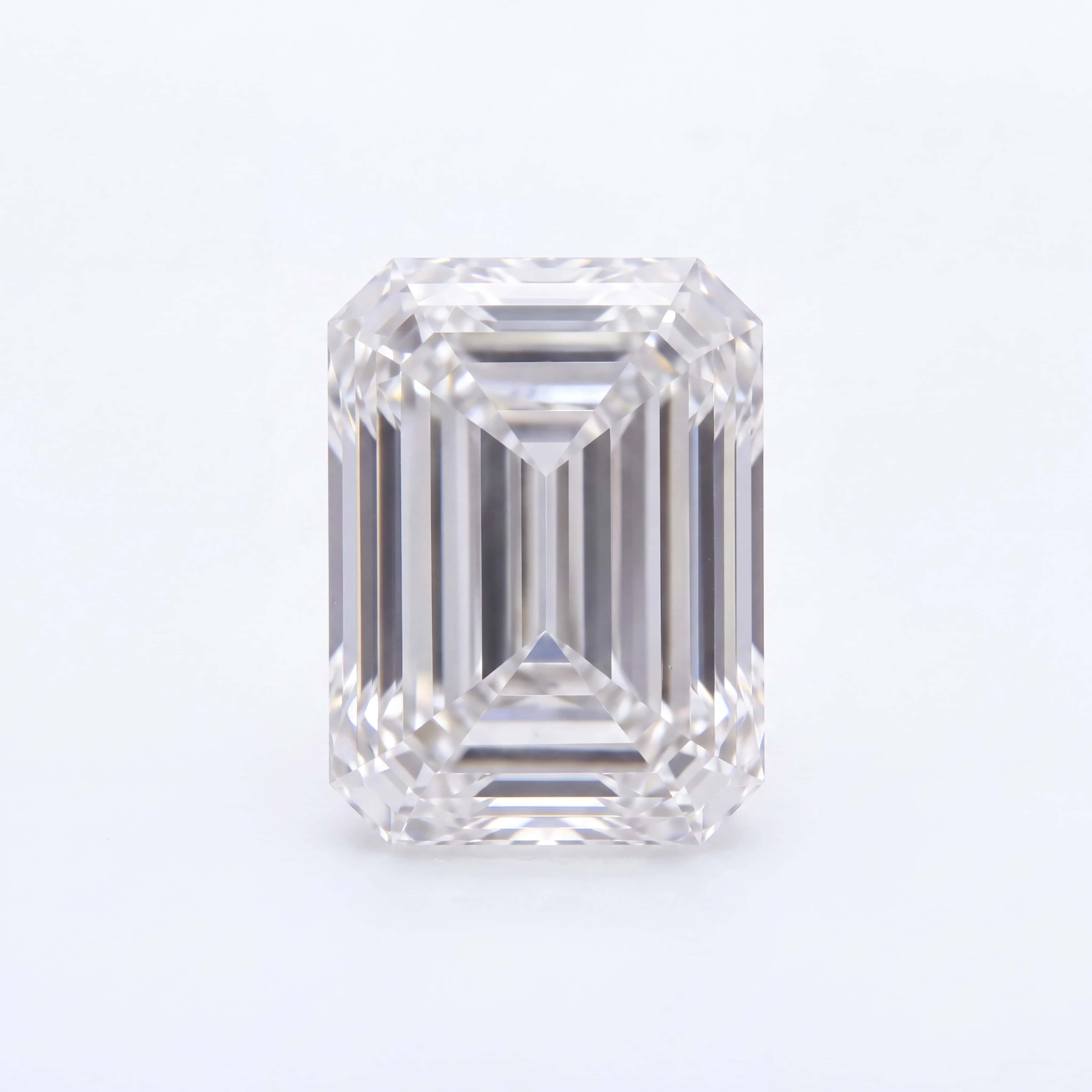
The emerald cut uses long, rectangular step facets rather than brilliant faceting, giving a distinctive hall-of-mirrors look. Because the facets are broader, clarity matters more with this shape.

Pear
Pear

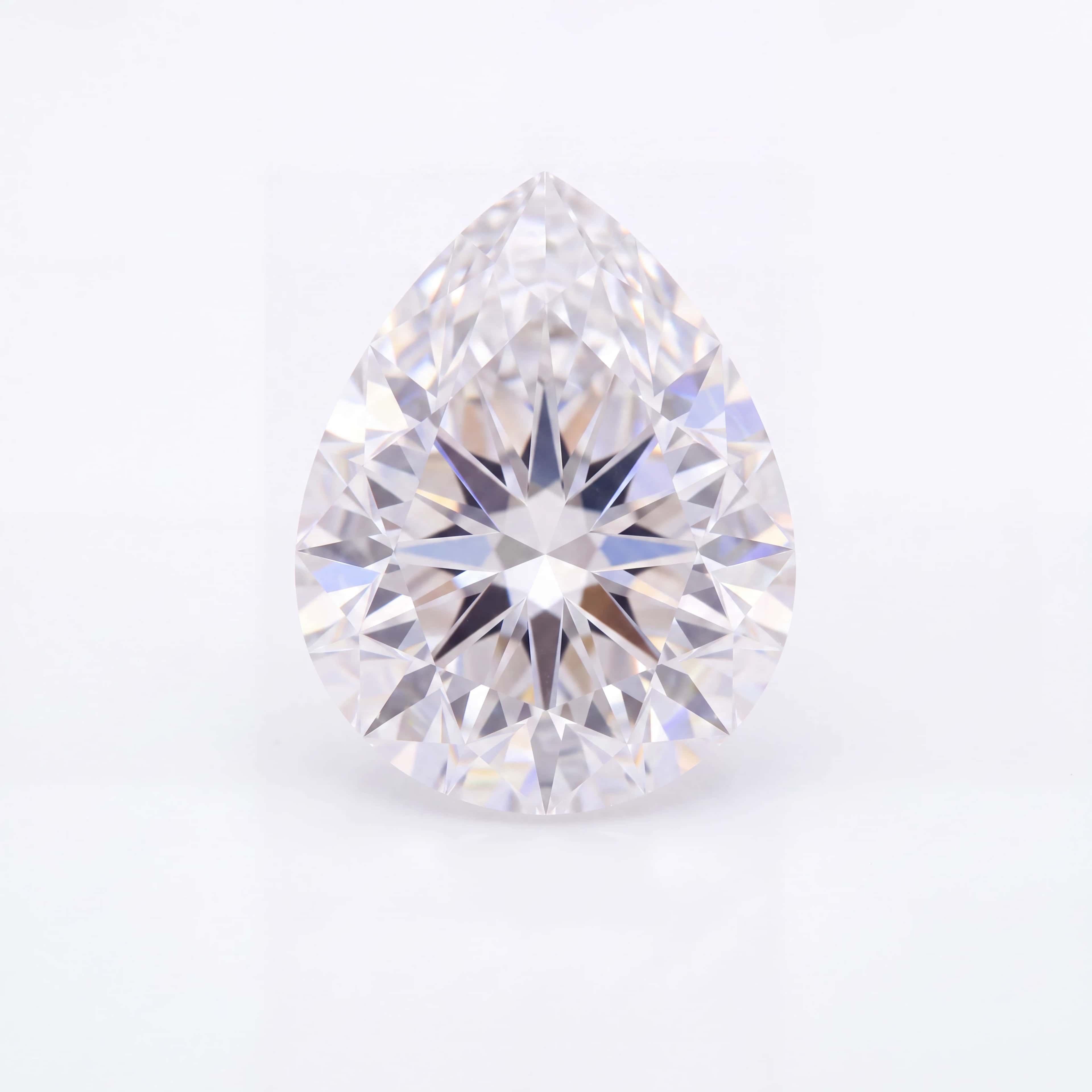
The pear combines a rounded end with a single point for a directional look. The point benefits from a protective setting such as a V-tip claw.

Cushion
Cushion

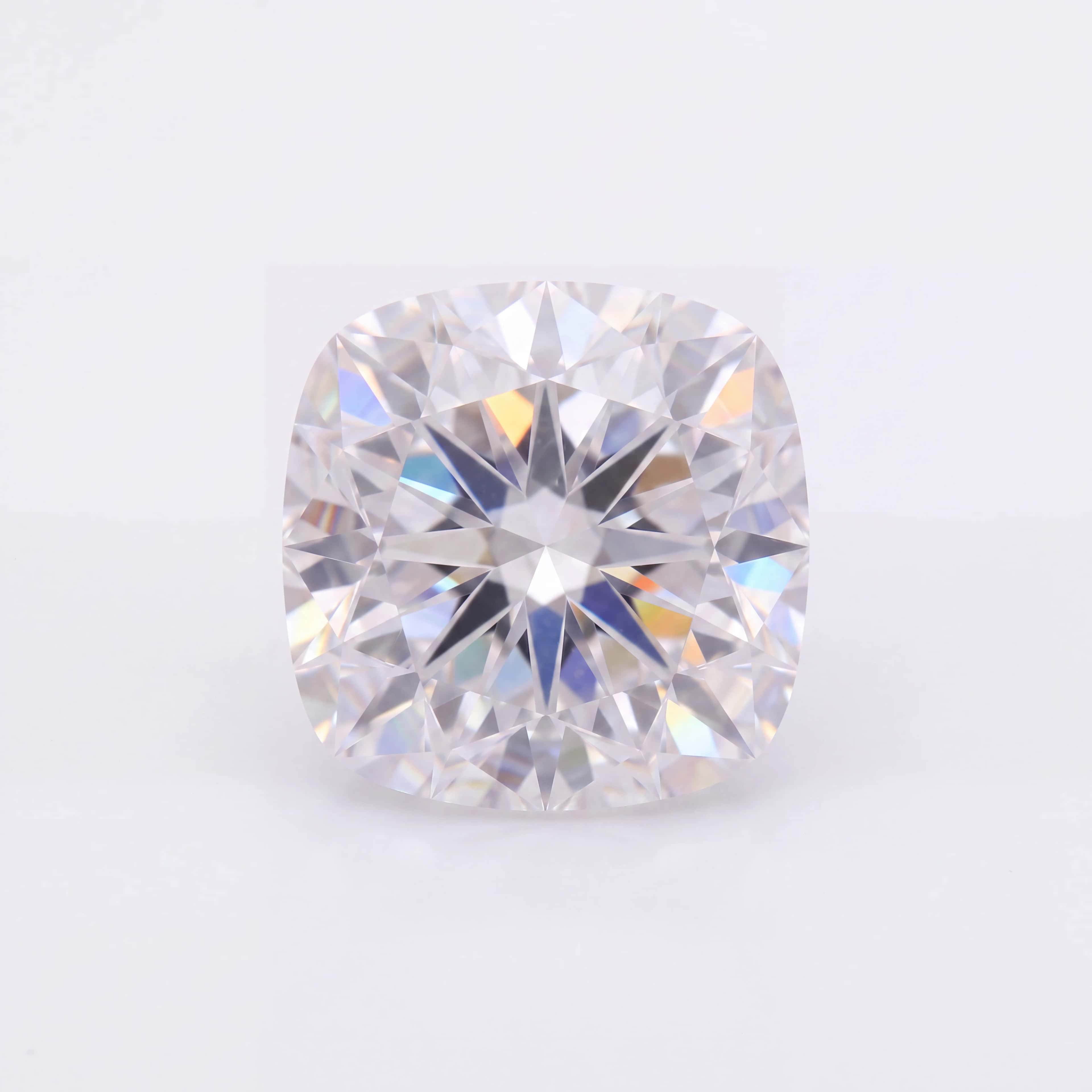
A cushion cut pairs a softened square or rectangular outline with rounded corners, and suits both traditional and contemporary settings.

Asscher
Asscher

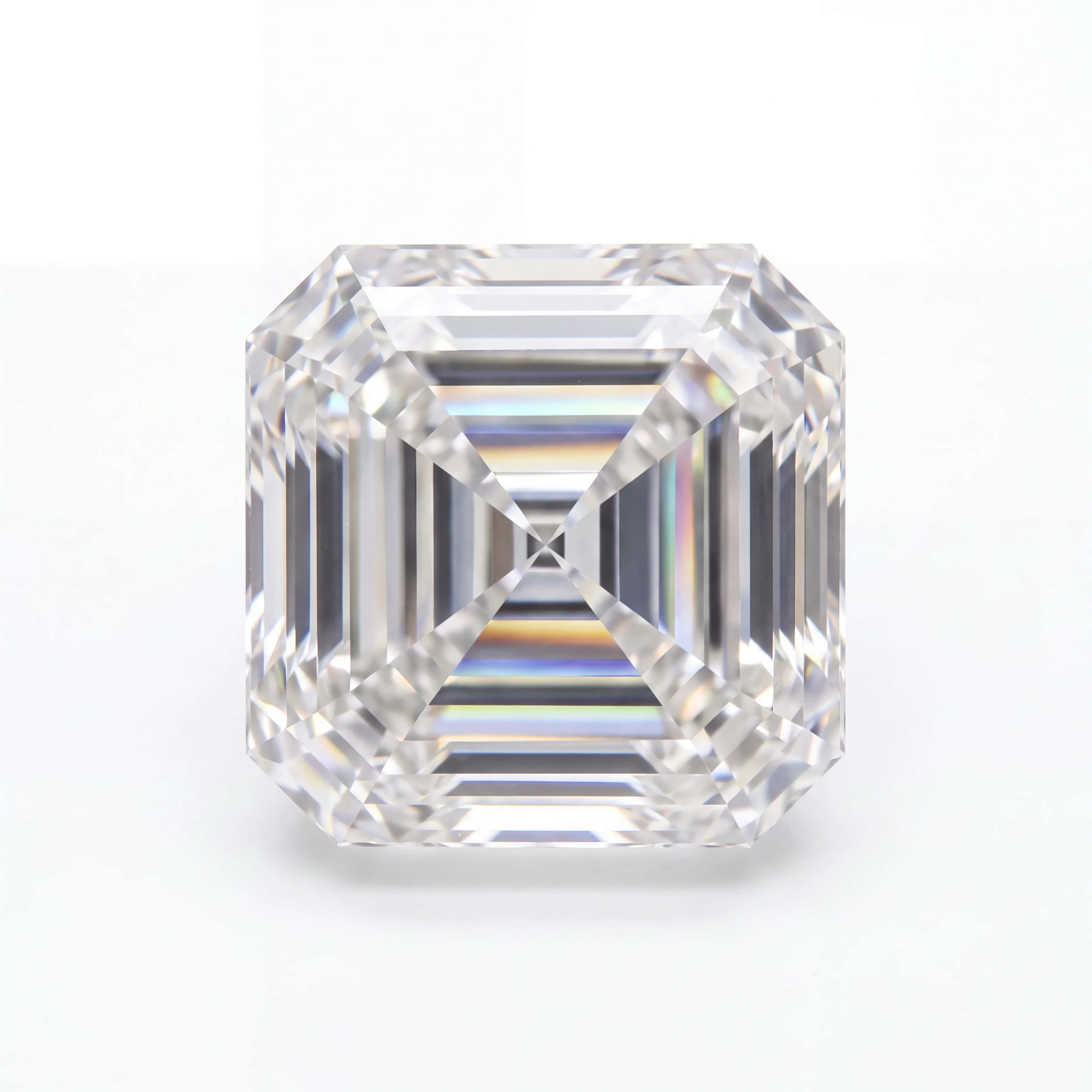
A square step cut with cropped corners and deep, concentric facets — a hallmark Art Deco shape for a ring with more visual history to it.

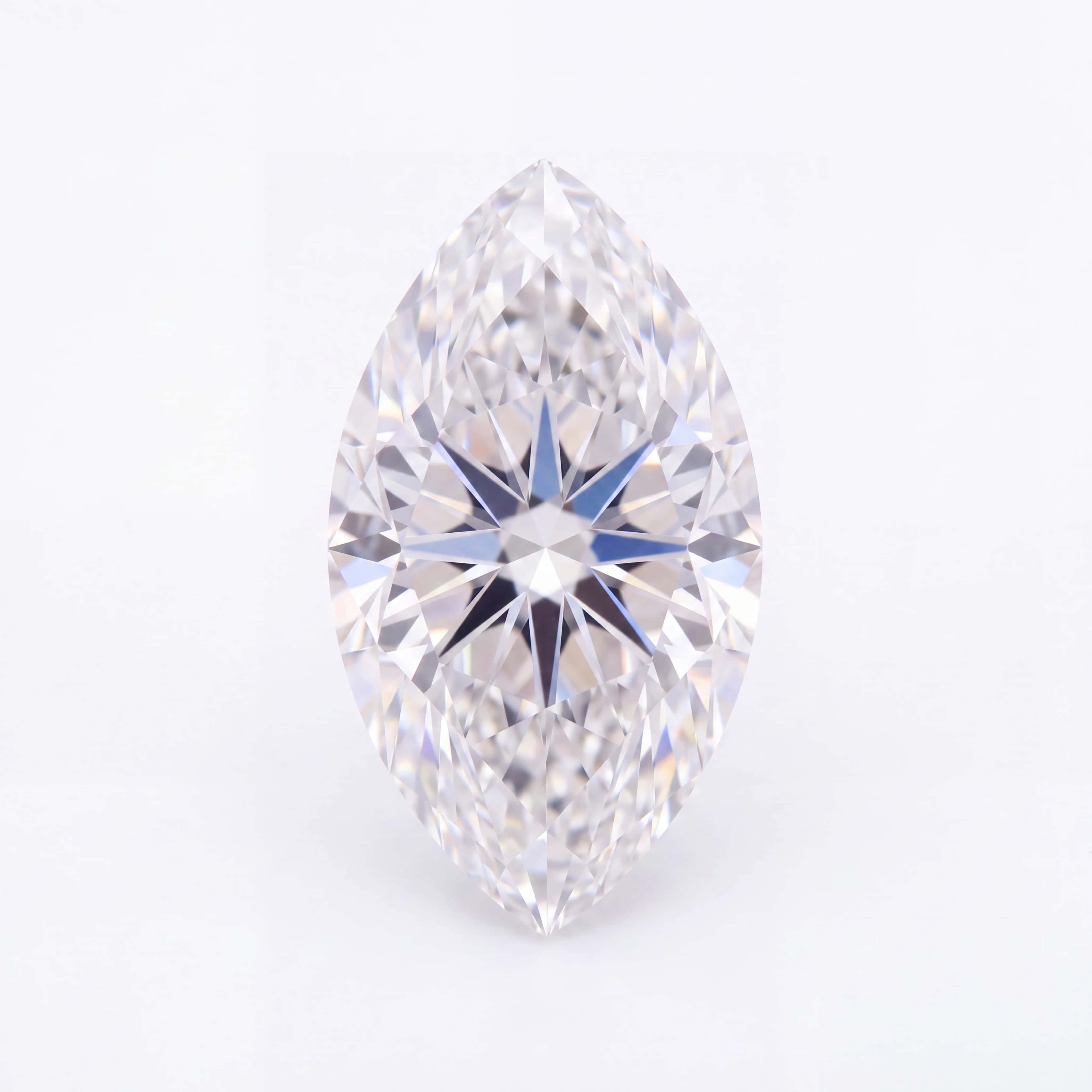
Marquise
Marquise

An elongated silhouette tapering to two points, maximising face-up size for its carat weight. Both tips benefit from a protective setting.

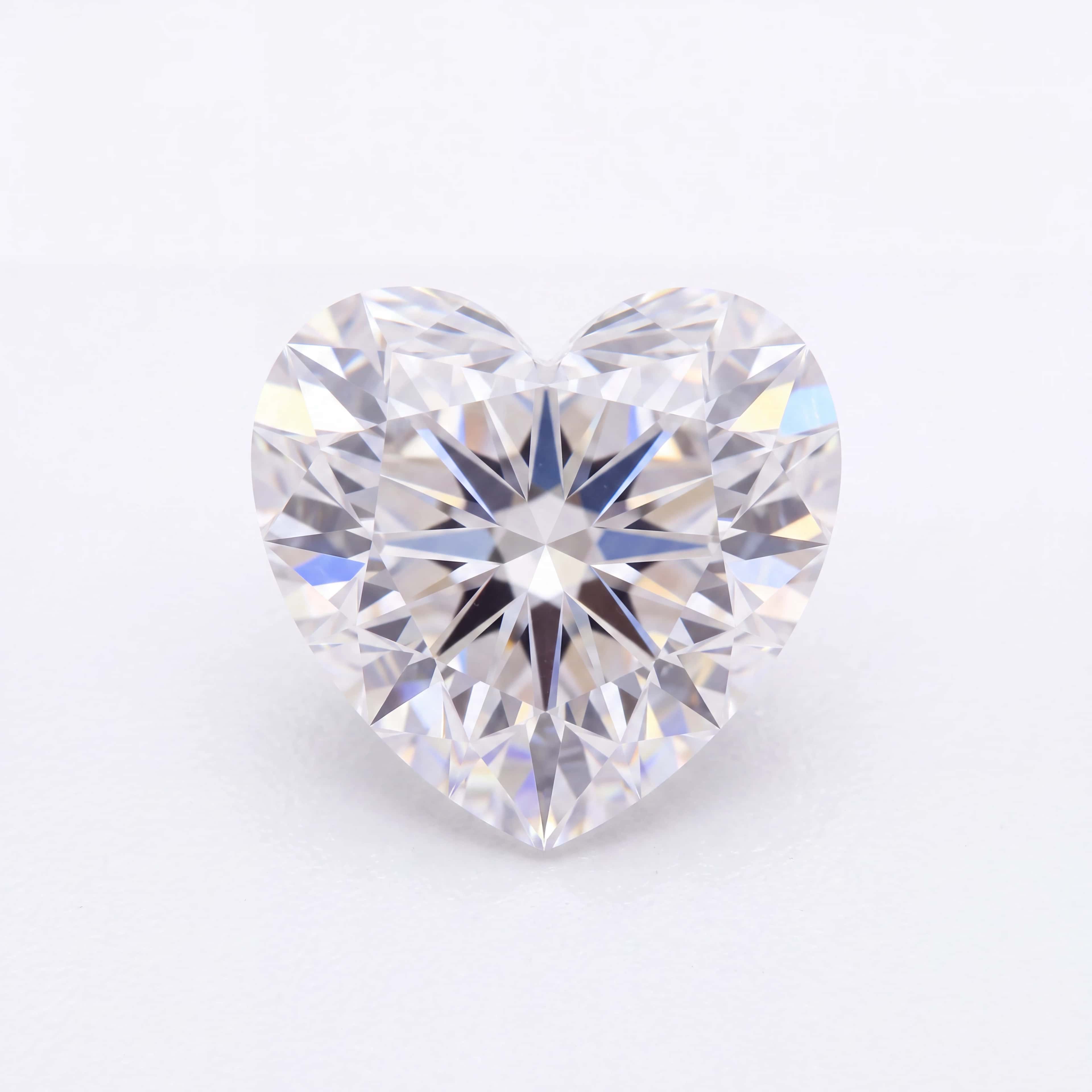
Heart
Heart

A brilliant-faceted romantic silhouette, cut for symmetry and set to protect its point.

Explore Engagement Rings by Style

Style is often the fastest way to narrow down a large collection, because it reflects personality and lifestyle as much as taste. A solitaire reads differently to a halo, and a trilogy ring carries different symbolism to a toi-et-moi design.

Solitaire
Solitaire model
Solitaire

A solitaire keeps the focus entirely on a single centre stone, held in a claw, bezel or cathedral setting. It is the most adaptable of all engagement ring styles and generally pairs easily with a wedding ring later on.

Halo
Halo model
Halo

A halo surrounds the centre stone with smaller diamonds, adding visual size and sparkle without increasing the carat weight of the centre stone itself. It suits both diamond and gemstone centres.

Trilogy
Trilogy model
Trilogy

Three stones place a centre stone between two smaller side stones, traditionally read as past, present and future. Side stones can match the centre in shape or contrast with it.

Toi-et Moi
Toi-et Moi model
Toi-et Moi

Two stones set side by side, matched or deliberately contrasting — a personal, less conventional route for anyone who wants their ring to read as its own design rather than a familiar silhouette.

Bezel
Bezel model
Bezel

A fine metal edge wraps the stone completely, protecting its girdle and sitting low against the finger — the most practical setting for active hands.

Why Choose a Diamond Engagement Ring?

Diamonds remain the most established choice of stone for an engagement ring, and for good reason: they are exceptionally hard, take a high polish, and return light in a way few other stones can match. That combination of durability and brilliance is why the diamond became the default engagement stone in the first place — even though it is far from the only appropriate option today. Coloured gemstones and mixed-stone designs are equally valid choices, and the right stone is ultimately the one that suits the wearer rather than the one tradition suggests.

What a diamond does offer is versatility. The same stone can sit in a plain solitaire, a decorative halo or a trilogy design, and can be set in platinum, white gold or yellow gold depending on personal taste. Diamonds are also practical for a ring worn daily: with a well-made setting and occasional professional inspection, a diamond holds up to years of everyday wear better than most alternatives, though no stone is completely immune to damage and care still matters.

Diamond Durability and Everyday Wear

Diamonds are among the hardest natural materials, which makes them well suited to daily wear, but hardness is not the same as indestructibility. A hard knock can still chip a stone or loosen a setting, which is why we recommend removing an engagement ring for heavy manual work or contact sports, and having the setting checked periodically by a professional.

Understanding Diamond Quality

Diamond quality is assessed against four established factors, alongside the stone's proportions and, where applicable, its independent certification. Cut determines how effectively a diamond returns light and is the single biggest factor in a stone's brilliance. Colour is graded on a scale from colourless to noticeably tinted. Clarity describes how visible any internal characteristics are under magnification. Carat weight measures the stone's physical size. Together these determine how a diamond performs visually far more than carat weight alone — read our diamond education articles for a fuller explanation of how the four factors interact.

Diamond and Engagement Ring Buying Guide

Choosing an engagement ring involves several decisions that interact with one another: budget, stone origin, shape, setting, metal and ring size all affect each other, and getting one wrong can mean revisiting the rest. Start with the wearer's personal style and existing jewellery, since a ring worn daily should feel consistent with what they already reach for. From there, narrow down the stone, shape, setting and metal in whichever order feels most natural, and confirm the budget early so the remaining choices stay realistic. A future wedding ring is worth considering at this stage too, even if it will not be bought until later.

A simple checklist keeps the process manageable:

  • Set a comfortable budget
  • Choose a diamond or gemstone
  • Select a shape
  • Select a setting
  • Compare metals
  • Confirm the ring size
  • Review certification where applicable
  • Confirm the required timescale

Natural Versus Lab-Grown Diamonds

Natural and lab-grown diamonds share the same physical and optical properties, so the choice usually comes down to rarity, budget and personal priorities rather than visible differences. Natural diamonds, graded by the GIA and available through Heirloom, tend to command a premium tied to their age and rarity. Lab-grown diamonds, certified by the IGI and set across Lumen, typically allow for a larger stone or higher quality grade within the same budget.

Three questions usually settle it: what matters more, rarity or size for the same budget? Is a larger carat weight a priority? And what grading information has been supplied with the stone? Answering these honestly generally points to a clear answer.

Settings, Sizing and Care

Beyond solitaire, halo and trilogy designs, settings can also incorporate pavé, bezel, cathedral or cluster detailing, each affecting how secure the stone feels and how the ring catches light day to day. Someone who works with their hands may prefer a lower-profile, bezel-set design that reduces the risk of catching, while someone who rarely uses their hands for manual tasks has more freedom to choose a higher-profile halo or claw setting.

Ring size is best confirmed through professional measurement rather than guesswork, since finger size can vary through the day with temperature and activity. Band width and setting weight both affect how a given size feels in practice, so it is worth trying on a similar style rather than relying on a generic chart alone. Once the ring is yours, routine care extends its life: clean it regularly with a soft brush and mild solution, remove it before manual work, sports or swimming, and have the setting checked periodically to catch a loose stone before it becomes a bigger problem.

Create a Bespoke Engagement Ring

For customers who cannot find quite what they are looking for in the existing collection, a bespoke diamond engagement ring is built from the ground up around your own ideas, budget and timeline. The process begins with an initial consultation, where a specialist listens to what you have in mind and establishes a realistic budget before any design work starts. From there, you choose the stone — a natural diamond, a lab-grown diamond or a coloured gemstone — along with its shape, and begin narrowing down setting and metal options that suit both your taste and how the ring will be worn day to day.

Once the direction is agreed, our team develops design concepts and refines proportions until the details feel right, confirming your ring size before any stone is set. Production then takes place in our workshop, with the finished ring going through a final quality check before it is delivered or collected. Most bespoke pieces are completed within a matter of weeks depending on design complexity and stone sourcing, and you will be updated as the piece moves through each stage.

Matching Your Engagement Ring With a Wedding Ring

An engagement ring is rarely bought in isolation from the wedding ring that will eventually sit beside it, and a handful of details make that later pairing easier: setting height, band width, metal, and how far the setting extends around the centre stone all affect how comfortably two rings sit together on the finger. A straight band generally sits well beside a low-profile solitaire; a curved or contoured band is often required where the setting extends further around the finger, such as with a halo or a pavé-set band. Diamond size, setting style and coverage can be coordinated between the two rings so they read as a considered pair — see our wedding rings for designs made to sit alongside.

Engagement Ring Guides and Expert Advice

Beyond the collection itself, our guides go into more depth on the decisions covered throughout this page, from choosing a stone to sizing and long-term care.

The Complete Guide to Lab-Grown Diamond Engagement Rings

The Complete Guide to Lab-Grown Diamond Engagement Rings

Choosing an engagement ring is one of the most meaningful purchases many people will ever make. Beyond its beauty, an engagement ring symbolises commitment, love, and the beginning of a new chapter together. While the sentiment behind the ring remains timeless, the way couples approach the buying process has evolved considerably.

READ MORE
Choosing the Right Metal for Your Engagement Ring

Choosing the Right Metal for Your Engagement Ring

Choosing an engagement ring is one of the most exciting parts of planning a proposal. Most people naturally focus on the diamond, gemstone, or overall design, but the metal chosen for the ring is equally important. It shapes the ring's appearance, influences how it wears over time, and contributes significantly to its character.

READ MORE

Frequently Asked Questions

The right ring depends on personal style, lifestyle and budget more than any fixed rule. A solitaire suits someone who prefers a quieter, versatile design, while a halo or trilogy ring adds more visual presence. Consider how the ring will be worn day to day, what metal complements existing jewellery, and whether a future wedding ring needs to sit alongside it. Trying a few styles in person, or discussing options with a specialist, usually narrows the decision quickly.

Natural and lab-grown diamonds share the same physical, chemical and optical properties, so the difference lies in origin rather than appearance. Natural diamonds form over billions of years and are graded by the GIA, while lab-grown diamonds are grown in controlled conditions and certified by the IGI. Natural stones tend to carry a premium tied to rarity, while lab-grown diamonds typically allow a larger or higher-quality stone for the same budget.

Yes. Coloured gemstones such as emeralds, aquamarines, tourmalines and sapphires make a genuinely good alternative for anyone who wants colour rather than an all-diamond design. They allow for strong personal expression and can be combined with diamond accents for extra brilliance. Each gemstone has its own care considerations, so it is worth understanding these before choosing one for daily wear, but there is no reason a gemstone ring should be considered a lesser choice.

There is no compulsory rule, and salary-based formulas are not a reliable guide. What matters is your own financial comfort. Price is driven by diamond or gemstone choice, carat size, quality, setting complexity, metal and whether the piece is bespoke. Setting a comfortable budget first, then exploring which combination of stone, shape and setting fits within it, tends to produce a more satisfying result than working backwards from a percentage of income.

There is no universally best diamond shape; the right one depends on personal style, setting and finger proportions. Round diamonds offer maximum brilliance and the widest choice of stones, oval and pear shapes create a flattering, elongated look, and emerald and cushion cuts favour a more architectural or softly vintage feel. Trying a few shapes against your hand is the most reliable way to find the one that suits you.

Yes. Our bespoke service lets you design a ring from scratch. It begins with a consultation to understand your ideas and budget, followed by stone selection, setting and metal choices, and design development until the proportions feel right. Your ring size is confirmed before crafting begins, and the finished piece goes through a final quality check before delivery, with a specialist guiding you throughout.

Timescales vary with design complexity and stone sourcing, so it is best to confirm an exact date with a specialist once your design is agreed. As a general guide, bespoke pieces move through consultation, design development, production and final checks over several weeks, with regular updates provided at each stage.

The most reliable method is professional measurement, since finger size can change slightly with temperature and time of day. Band width and setting weight both affect how a given size feels once worn, so trying on a similar style is more useful than relying on a printed chart alone. If sizing changes later, complimentary lifetime resizing is available.

Yes. Lab-grown diamonds are chemically, physically and optically identical to natural diamonds; the only difference is that they are grown in a controlled laboratory environment rather than formed underground. This sets them apart from diamond simulants, which are different materials made to resemble a diamond. Every lab-grown diamond we offer is independently certified by the IGI, confirming its quality in the same way as a natural stone.

Security depends on the specific design rather than one setting being best for everyone. Bezel settings fully enclose the stone's edge and offer strong day-to-day protection, while well-made claw settings hold a stone securely while allowing more light to enter. Lifestyle matters too — anyone working with their hands regularly may prefer a lower-profile design, and periodic professional checks help catch a loose setting early regardless of style.

Matching is entirely optional. Some couples prefer a close match in metal, width and setting style for a coordinated look, while others deliberately choose a contrasting wedding band. What matters more practically is fit: a straight band usually sits well beside a low-profile ring, while a curved or contoured band may be needed alongside a halo or heavily set design.

Clean it regularly with a soft brush and a mild solution, and avoid harsh household chemicals that can dull metal or damage certain gemstones. Remove the ring before manual work, sport or swimming to protect the setting, and have it checked periodically by a professional to catch a loose stone before it causes a problem. Store it separately from other jewellery to avoid scratching.

Find Your Perfect Engagement Ring

Between natural diamonds, lab-grown diamonds and coloured gemstones, classic and contemporary settings, and a full bespoke service, Masaat's engagement rings are built to be explored from whichever angle matters most to you first. If you would rather talk it through, our specialists are ready to help — whether that means adjusting a design detail or starting completely from scratch.

Explore Engagement Rings