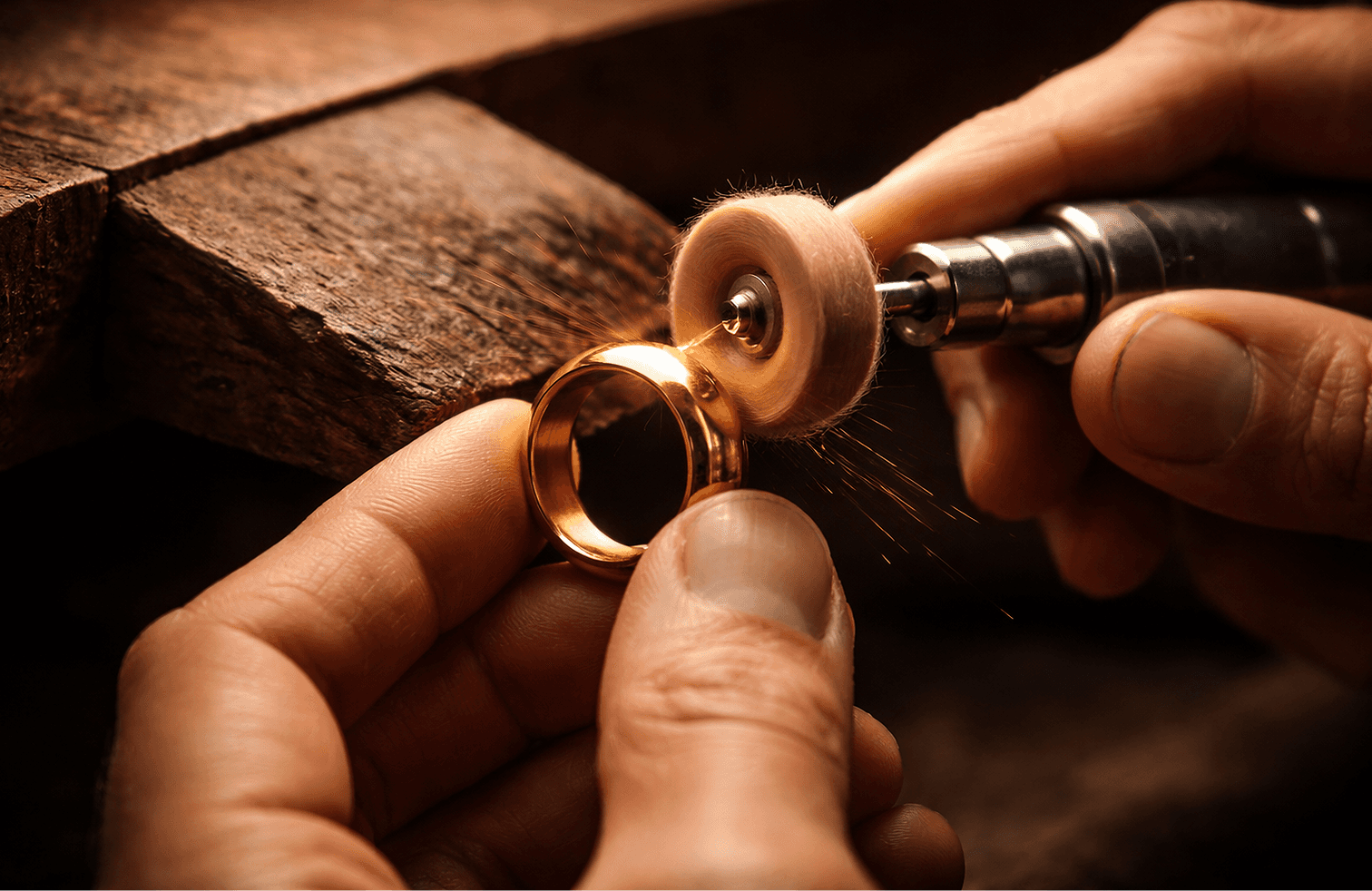
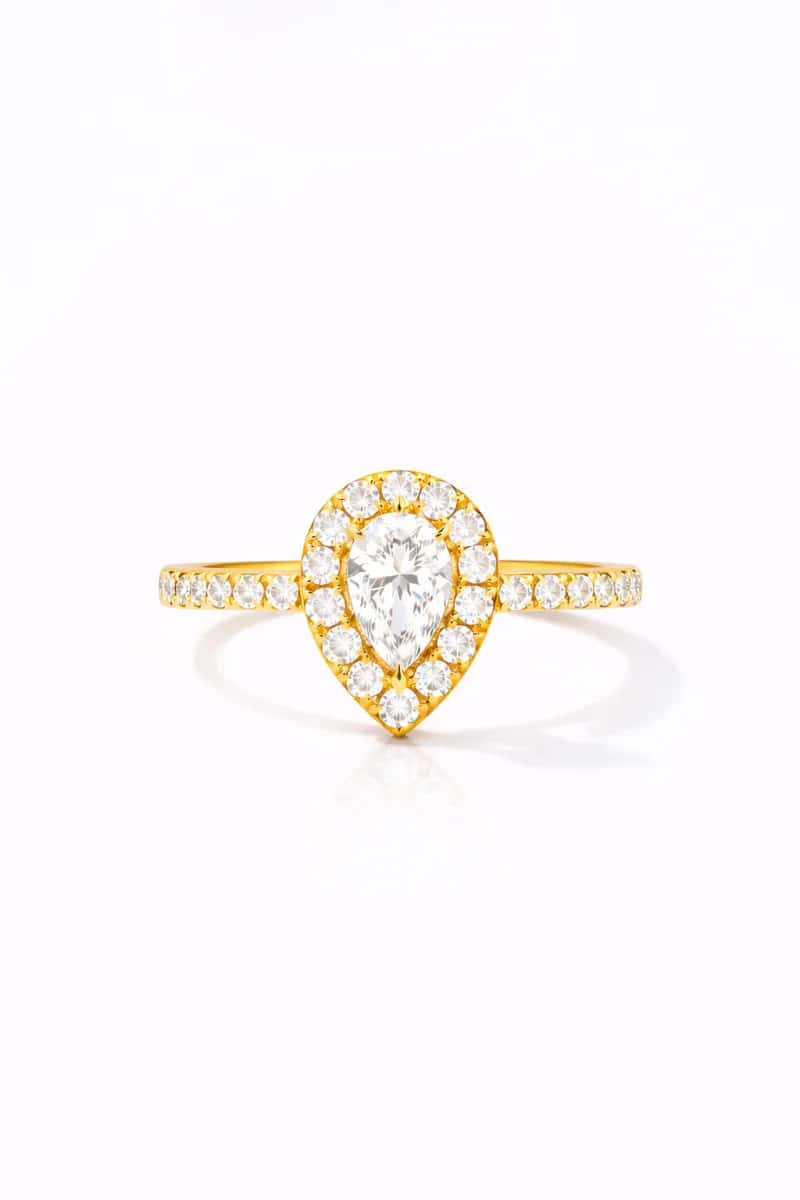
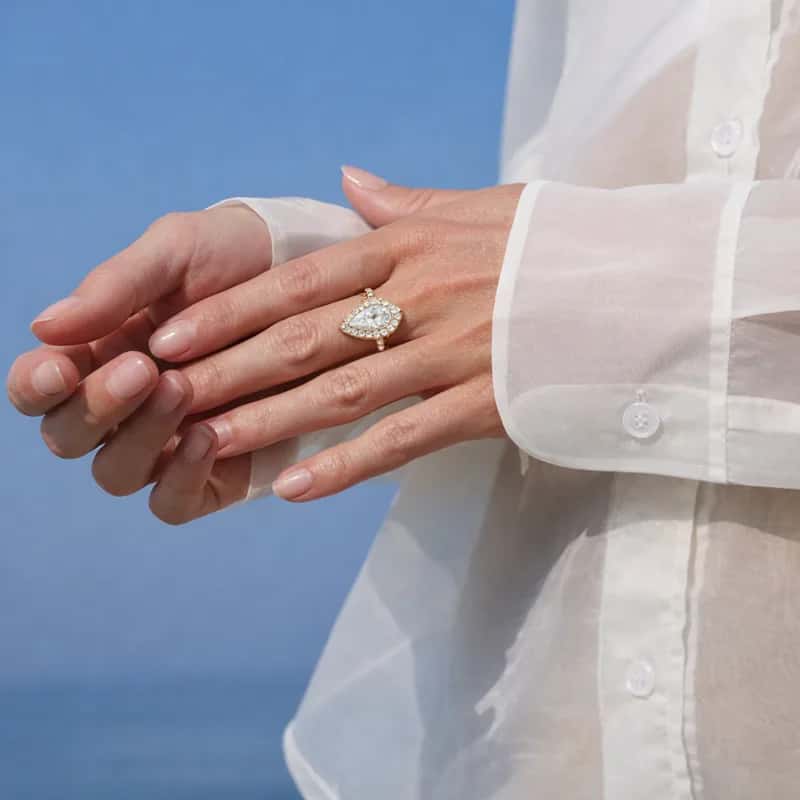
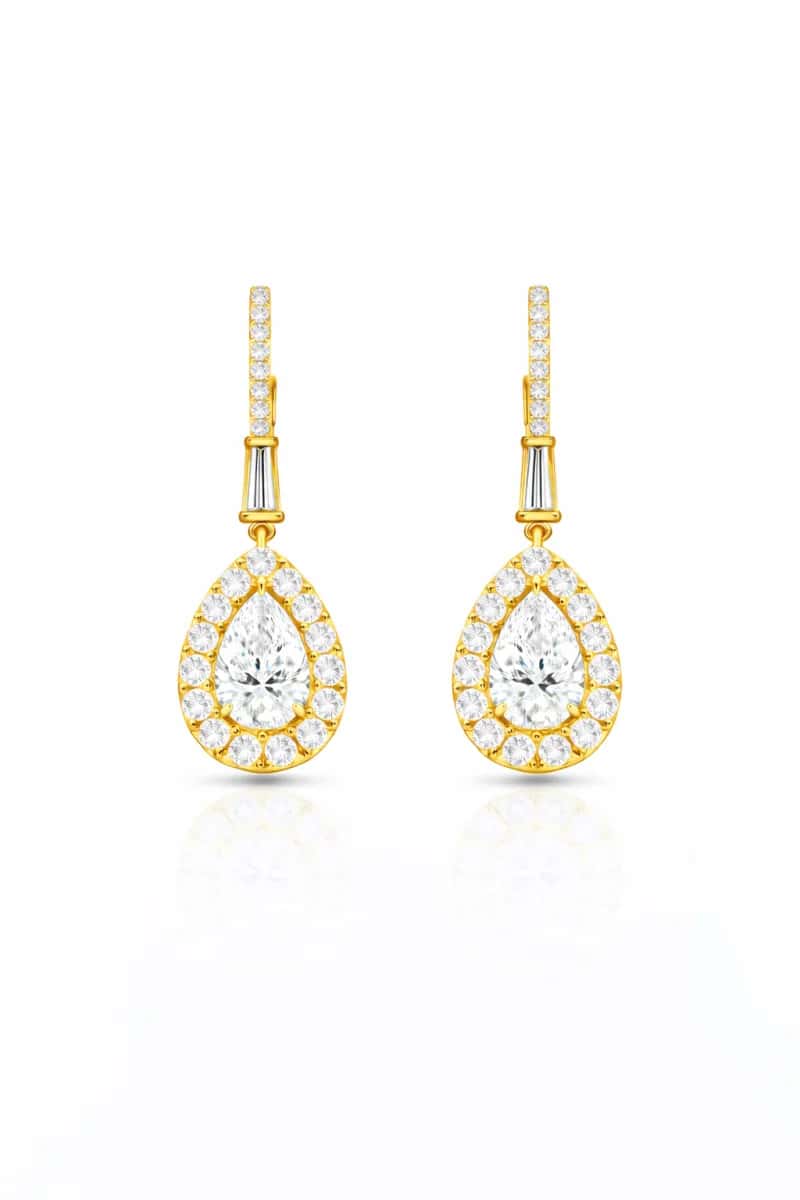
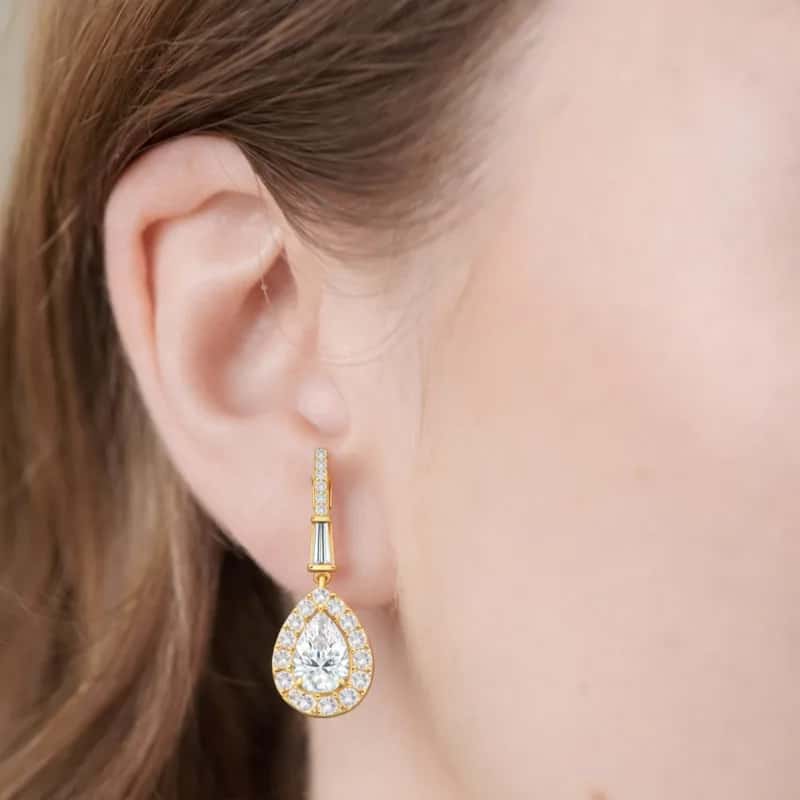
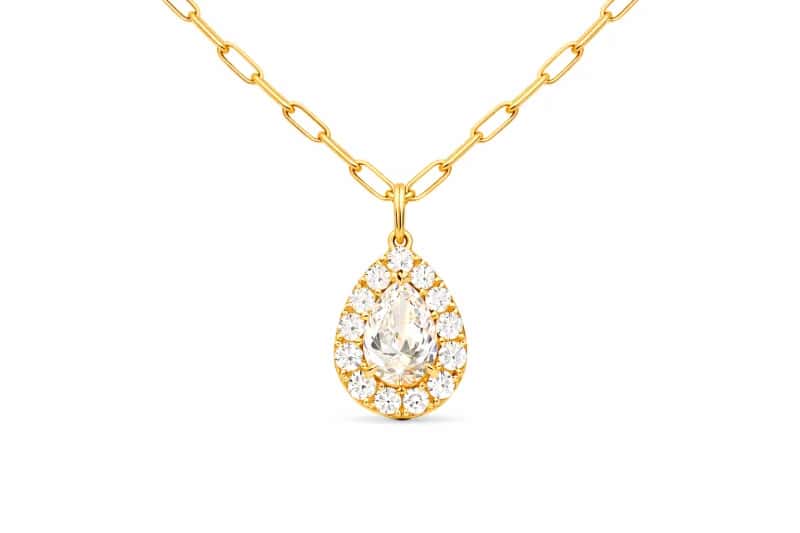
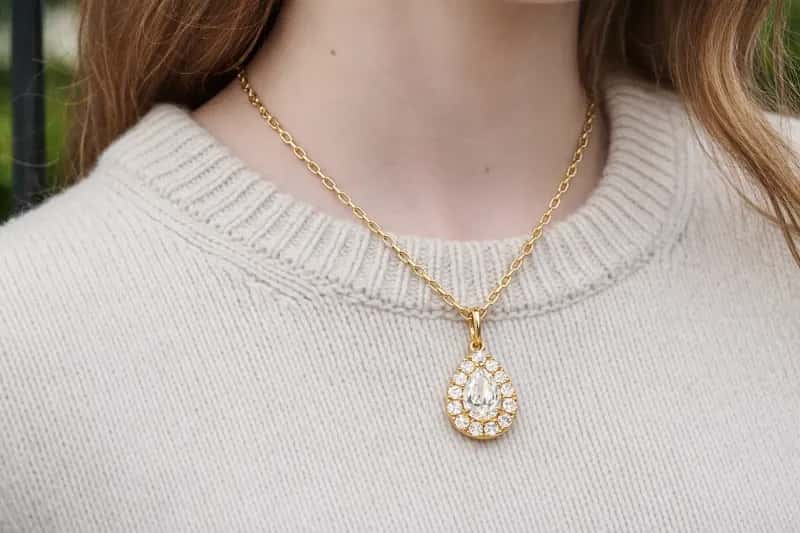
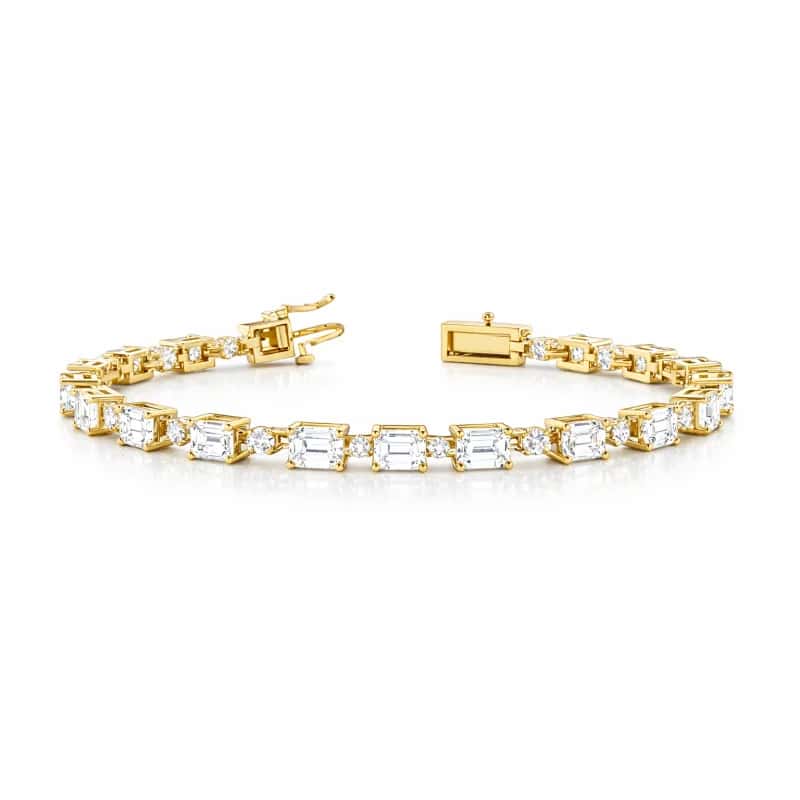
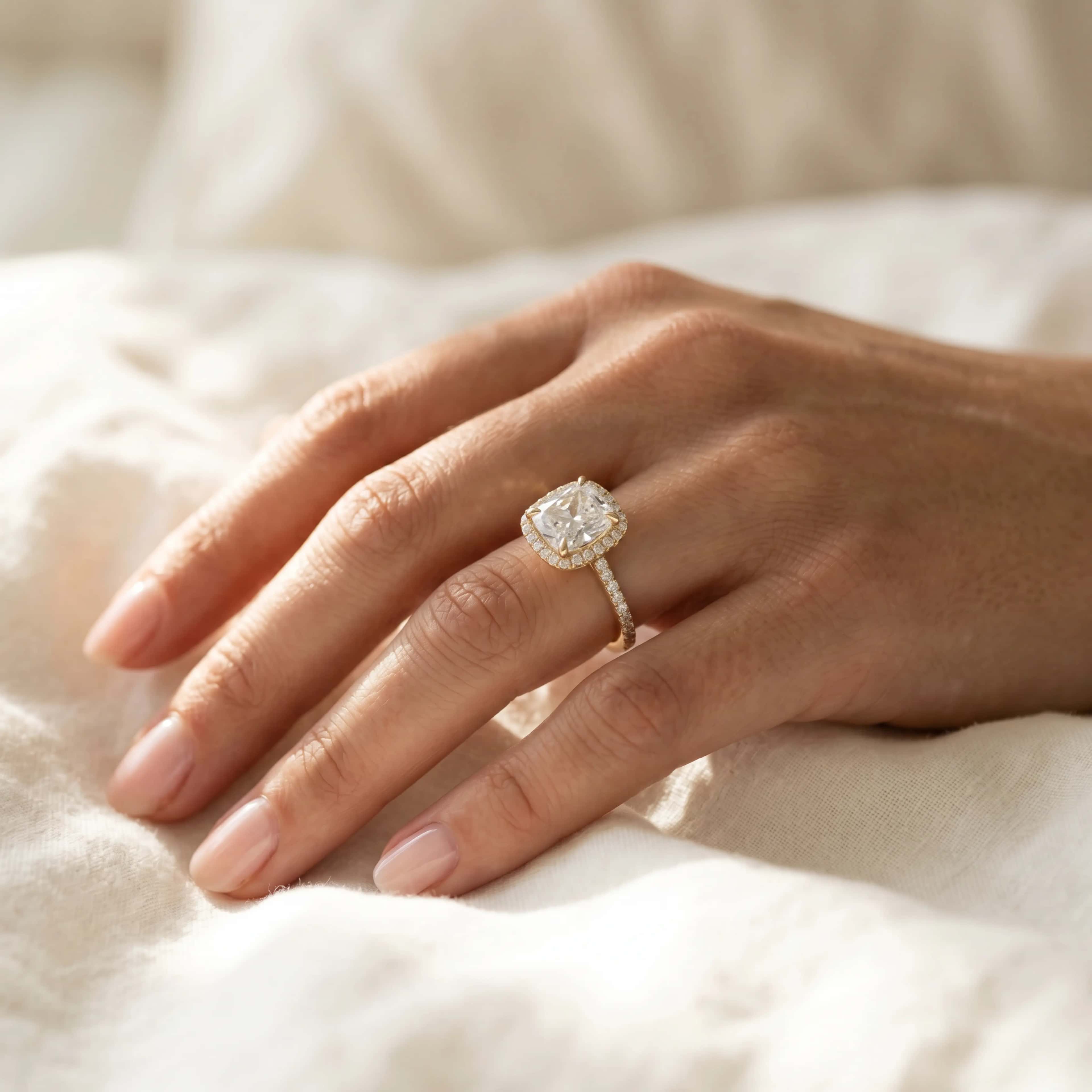
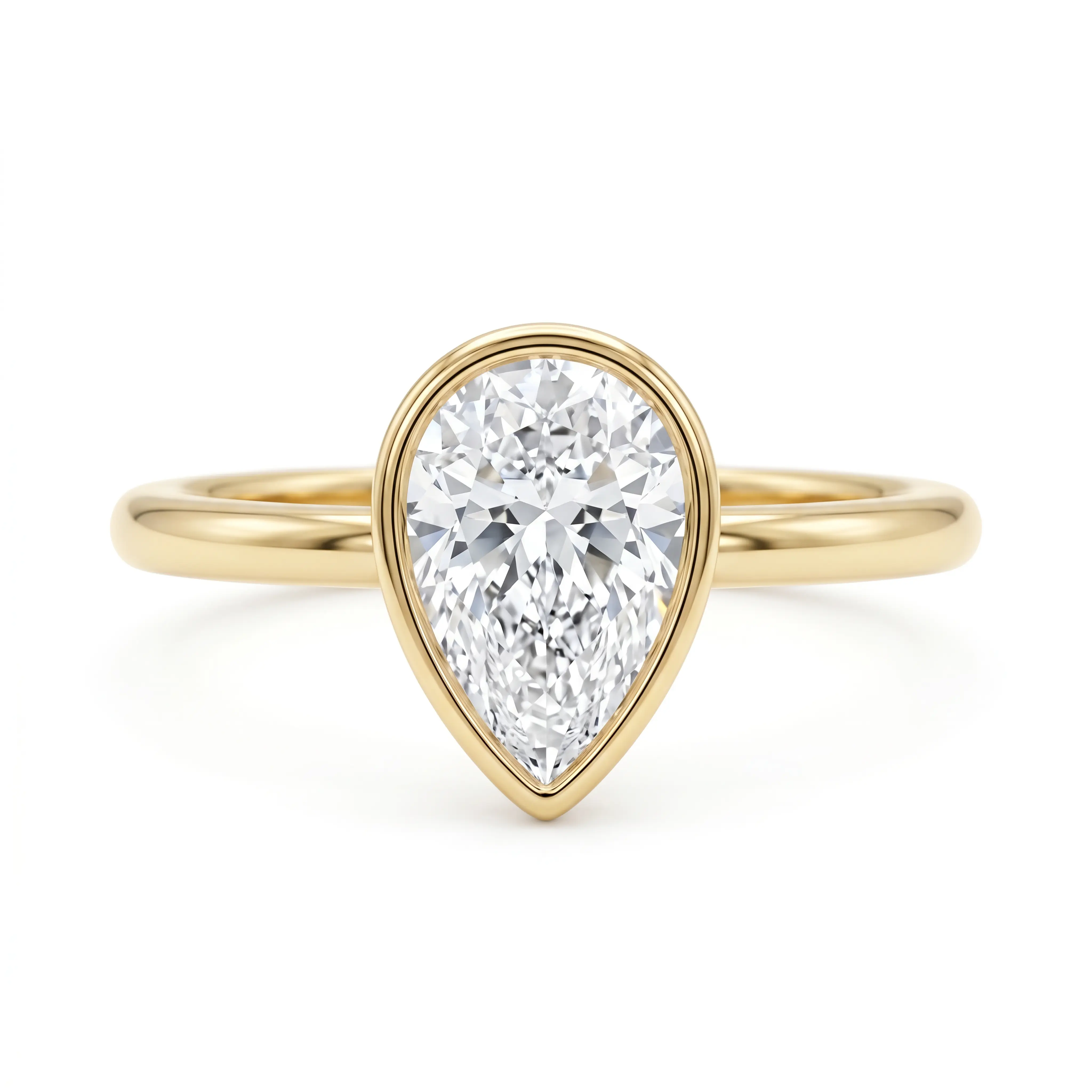
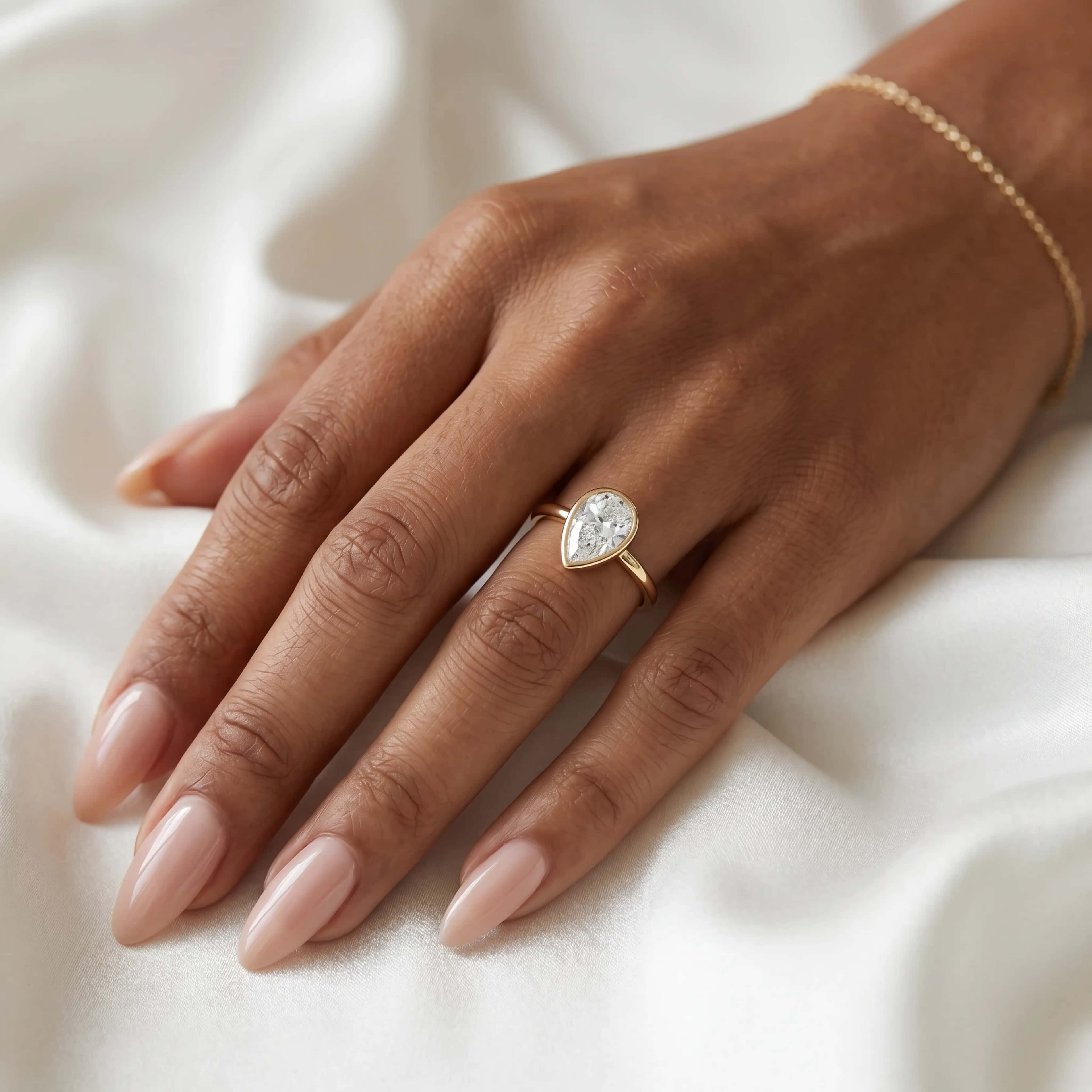
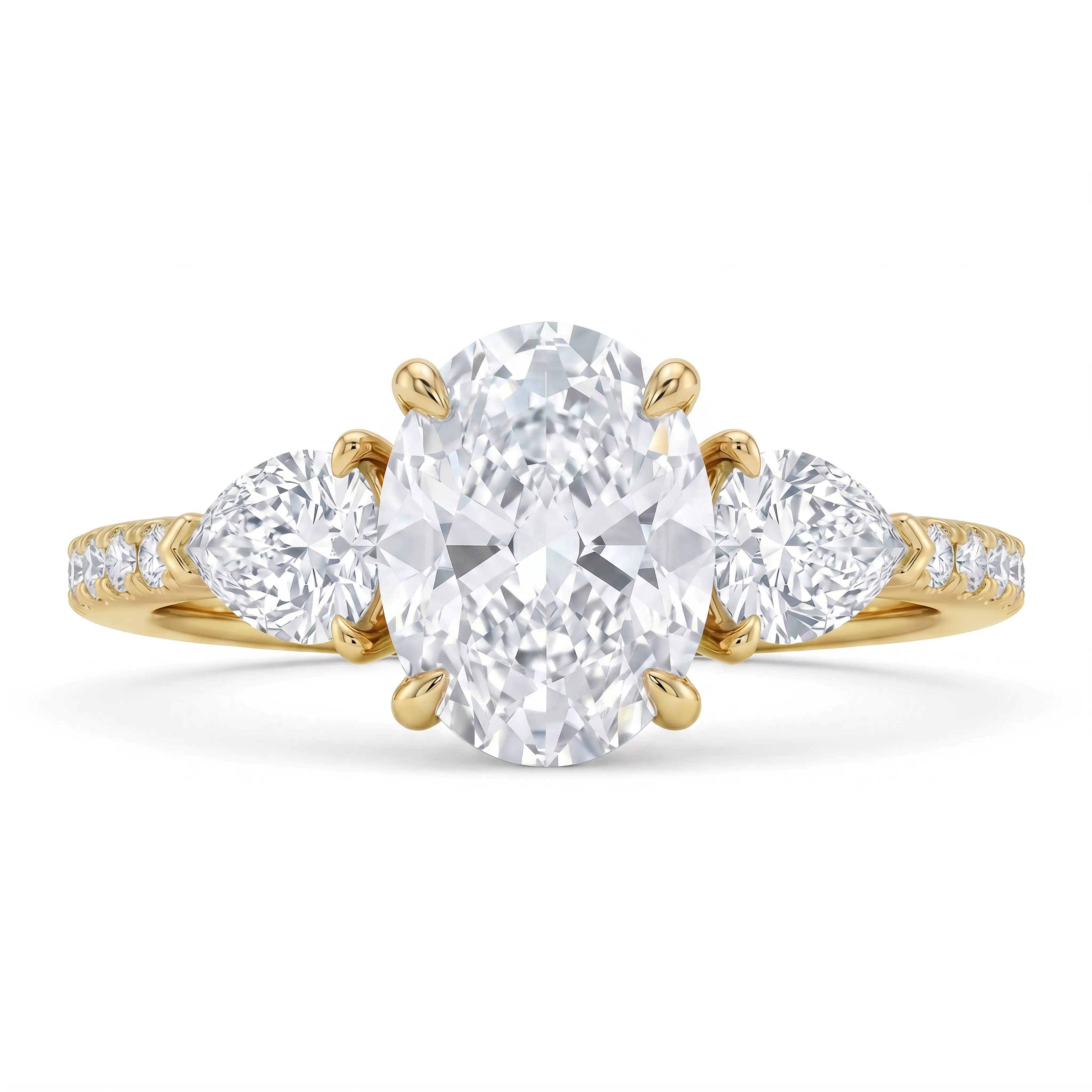
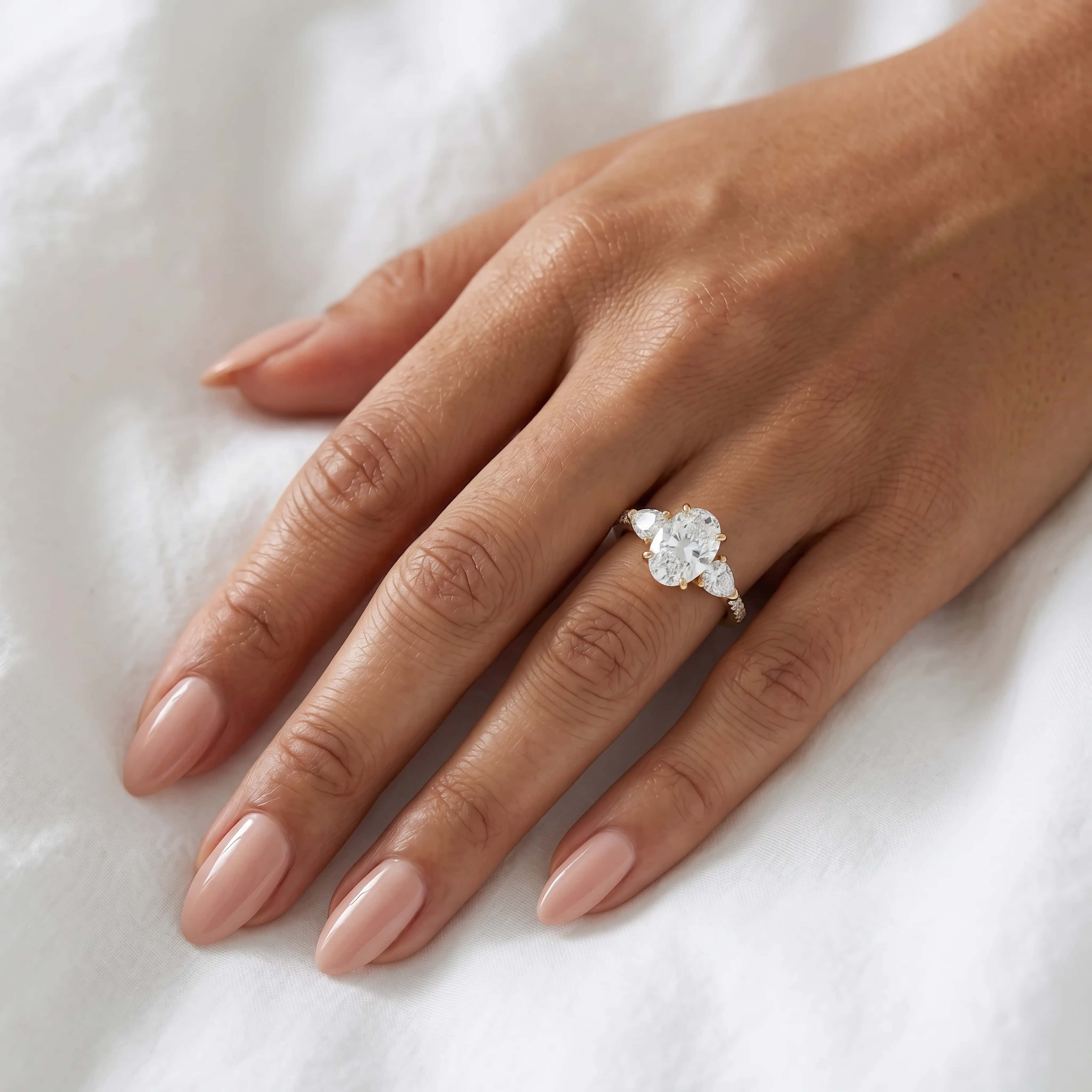
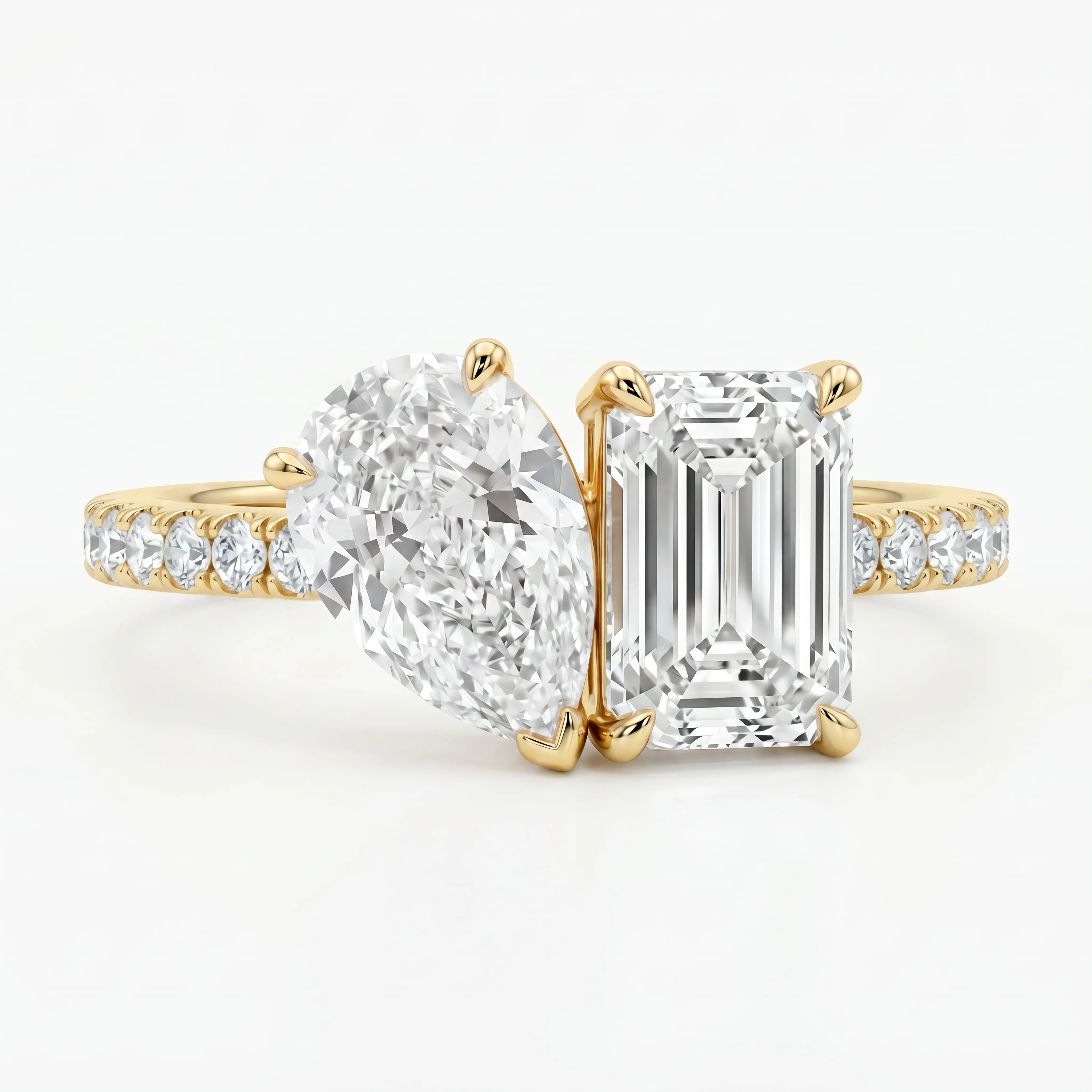
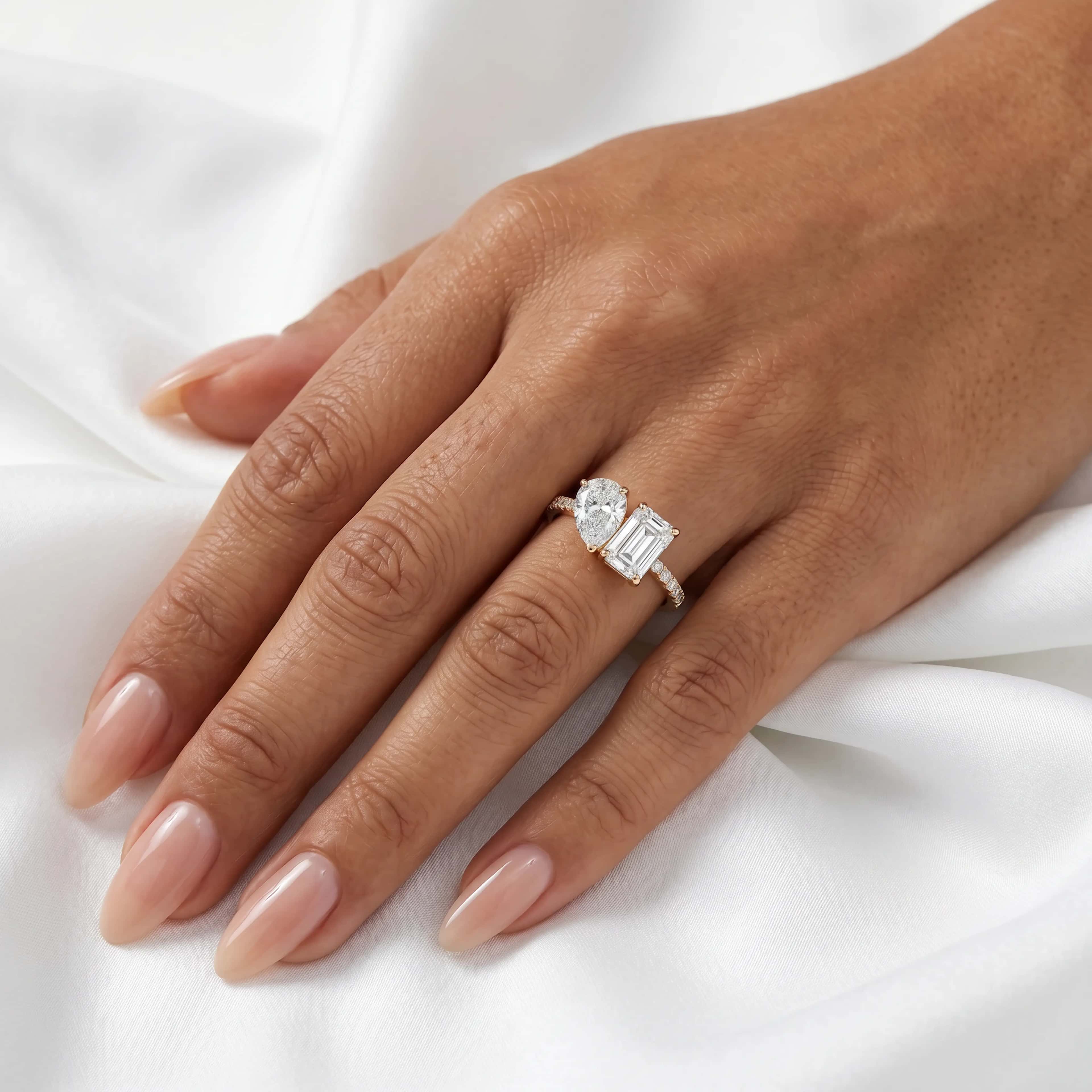
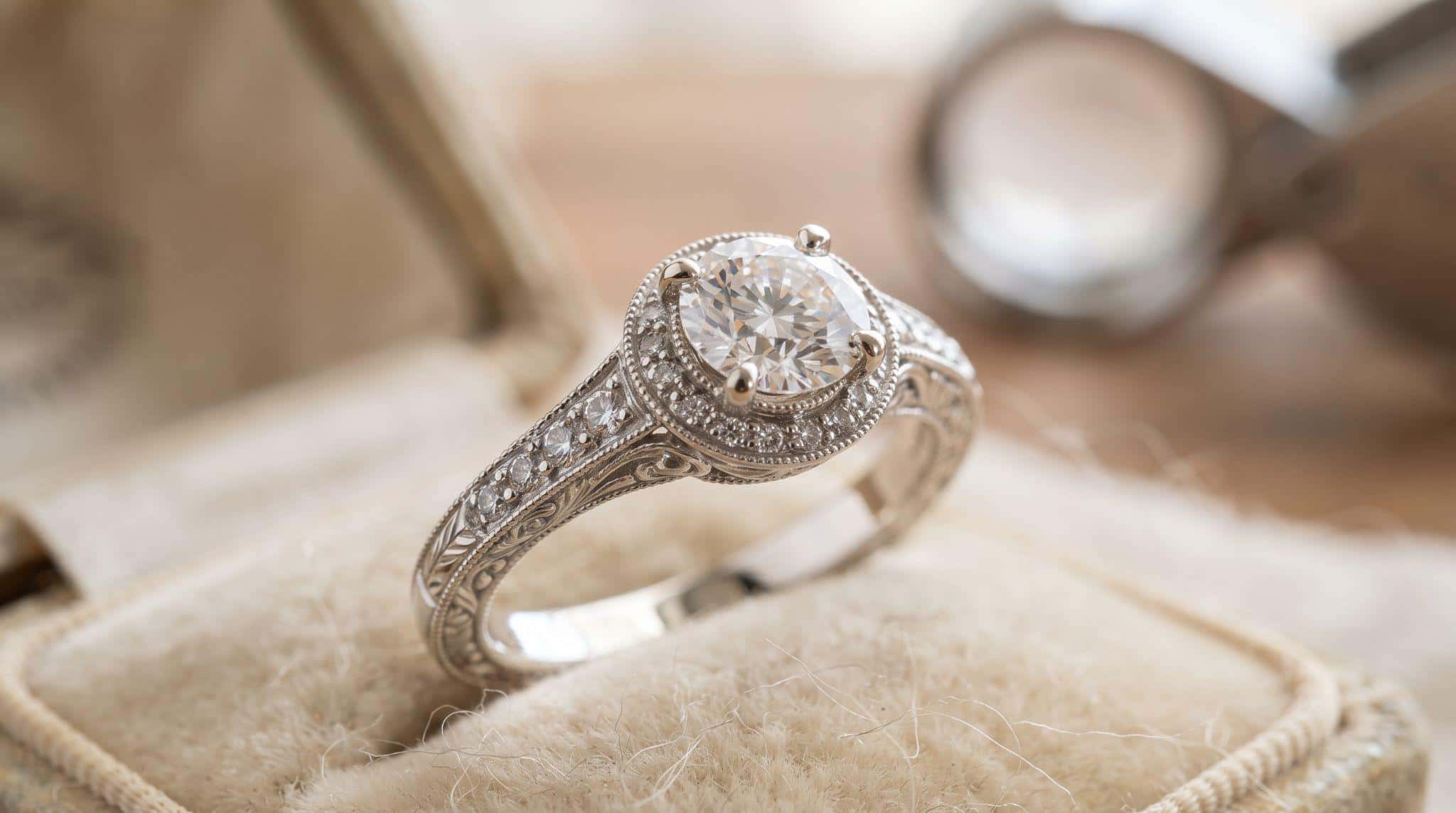
Natural diamond jewellery from the Heirloom collection by MASAAT London.

Natural Diamonds Discover the Heirloom Jewellery Collection

Heirloom is Masaat London's natural diamond jewellery collection — engagement rings, wedding rings, earrings, necklaces and bracelets, each set with a carefully chosen natural diamond, independently graded by GIA and finished in platinum, white, yellow or rose gold. Explore by jewellery type, diamond shape or design style.

Carefully Selected Natural Diamonds

Every stone within Heirloom is chosen for its cut, colour, clarity and carat weight, with transparent product details shown against each design so you can compare pieces confidently before you buy.

Diamond Certification Guidance

Each natural diamond is independently graded by GIA. Understanding a report's measurements and grading terms makes it far easier to compare diamonds and buy with confidence.

Fine Jewellery Craftsmanship

From stone setting to metal finishing, every Heirloom piece passes through careful quality checks, with proportions and comfort considered for jewellery genuinely made to be worn.

Bespoke Diamond Expertise

A personal consultation with a specialist can guide diamond selection, custom settings and individual design work, whether you're starting an engagement ring from scratch or reimagining an existing piece.

Shop Natural Diamond Jewellery

The easiest starting point is the jewellery type that fits your occasion — a natural diamond engagement ring, a wedding band to sit alongside it, or diamond earrings, necklaces and bracelets for a gift. Move straight to the category that matters most, then refine by diamond shape, setting and metal.

Natural diamond rings
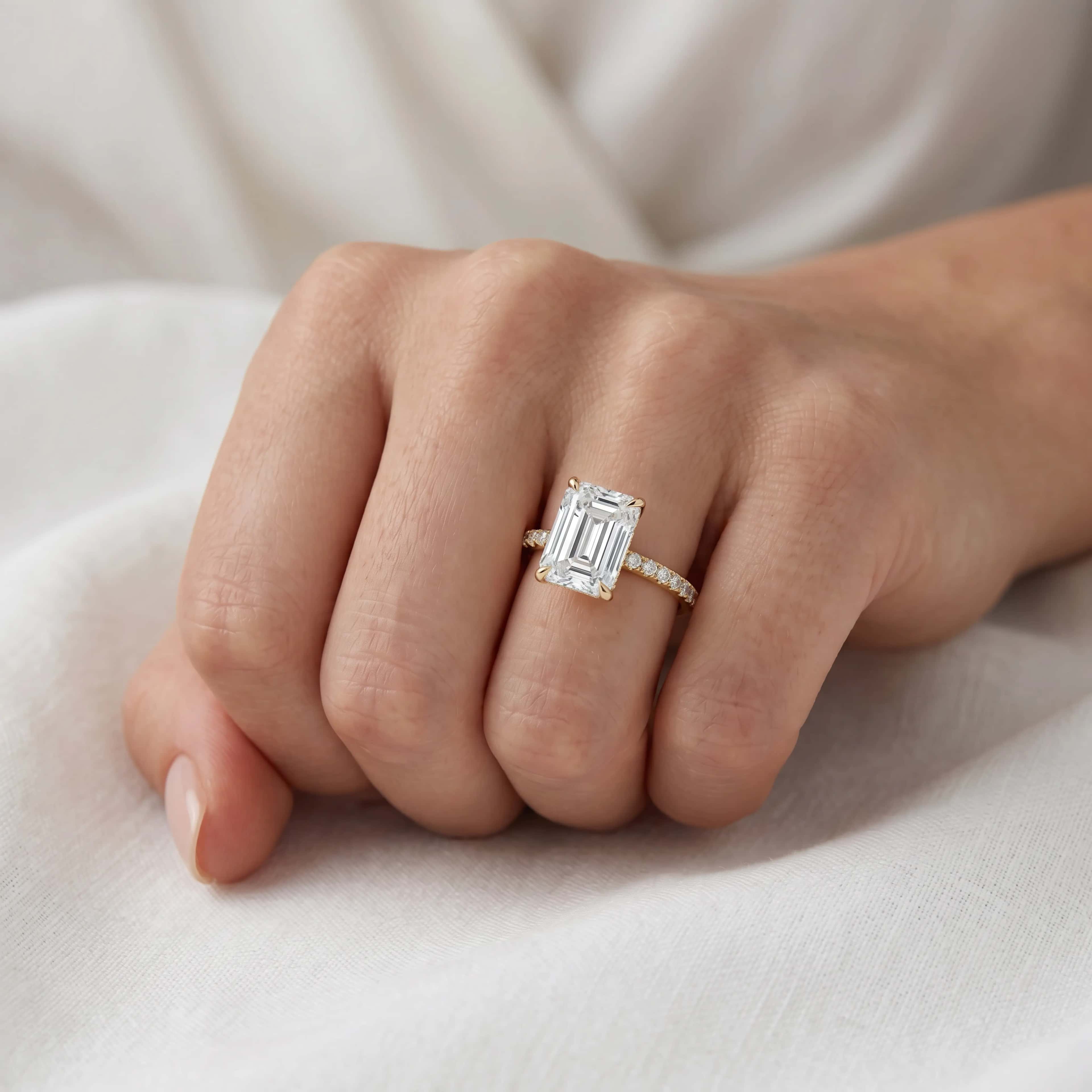
Natural diamond ring on model

Rings

Natural diamond rings spanning solitaire, halo and trilogy designs, plus fully bespoke options — each available across platinum, white, yellow and rose gold, with a natural diamond engagement ring at the centre of most designs.

Shop diamond rings
Natural diamond earrings
Natural diamond earrings on model

Earrings

Diamond stud and drop earrings and huggie hoops, set with GIA-certified natural diamonds — everyday classics and occasion pieces alike.

Discover diamond earrings
Natural diamond necklaces
Natural diamond necklace on model

Necklaces

Diamond pendants and necklaces, from fine everyday styles to statement designs, each set with a carefully chosen natural diamond.

View diamond necklaces
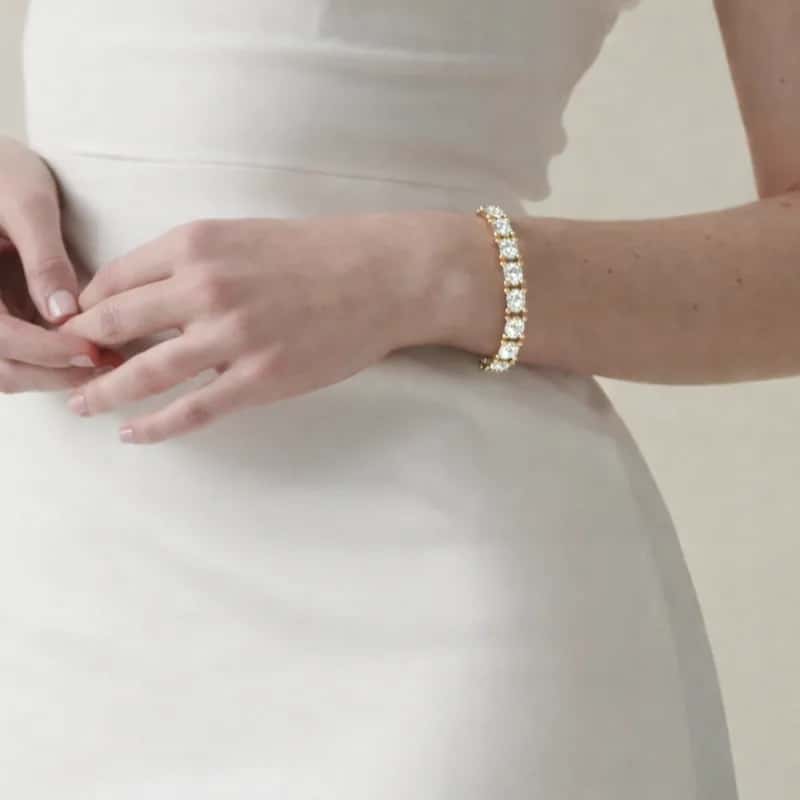
Natural diamond bracelets
Natural diamond bracelet on model

Bracelets

Natural diamond bracelets suited to everyday wear or special occasions, finished to order in platinum and 18ct gold.

Explore diamond bracelets

Explore Natural Diamonds by Shape

Diamond shape has a real effect on brilliance, visual size and the settings that suit it best. Some shapes maximise sparkle through many small facets, while others favour clean lines and a larger face-up appearance for the same carat weight.

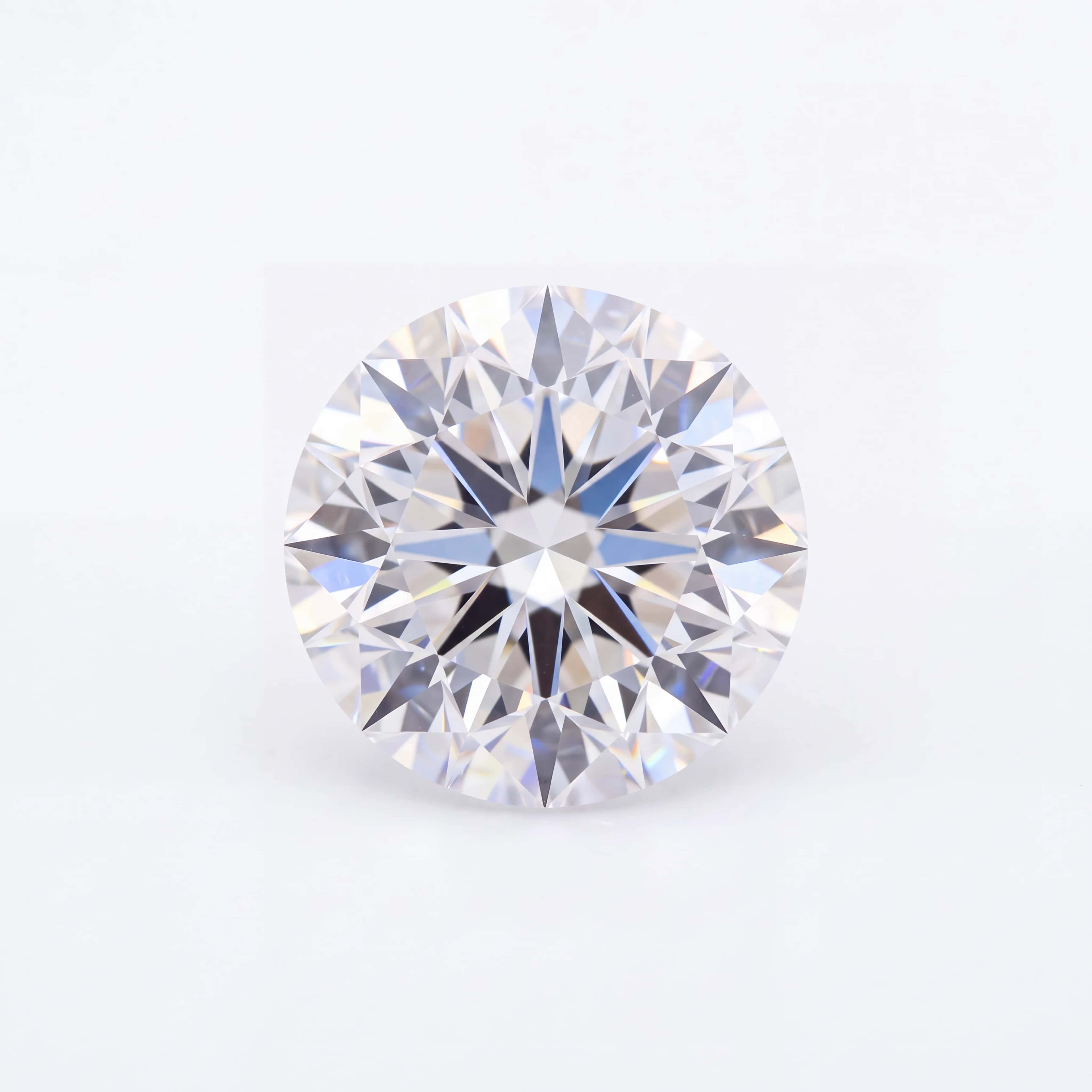
Round
Round

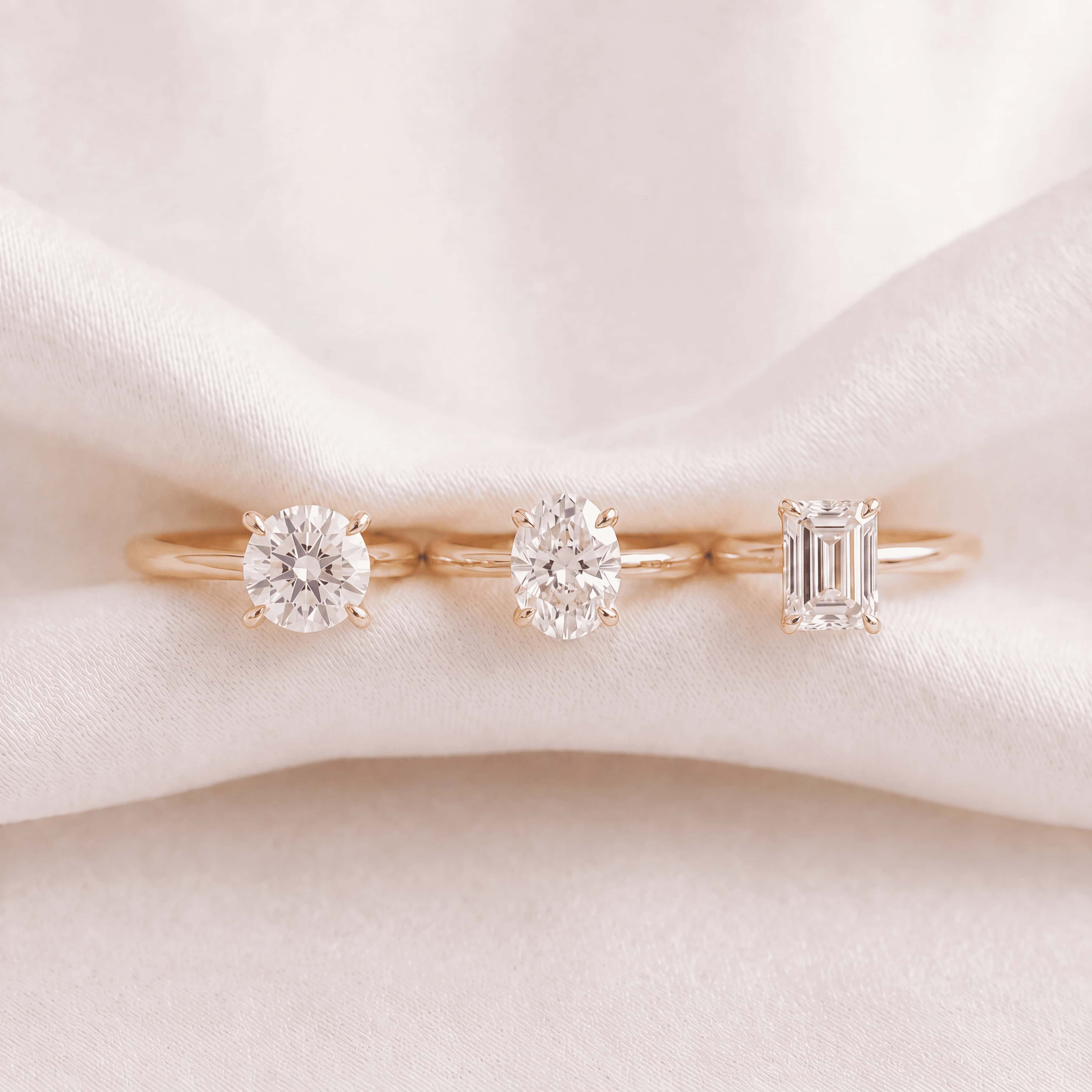
Round brilliant diamonds are cut to maximise light performance — a classic, versatile choice that suits solitaire and halo settings equally well.

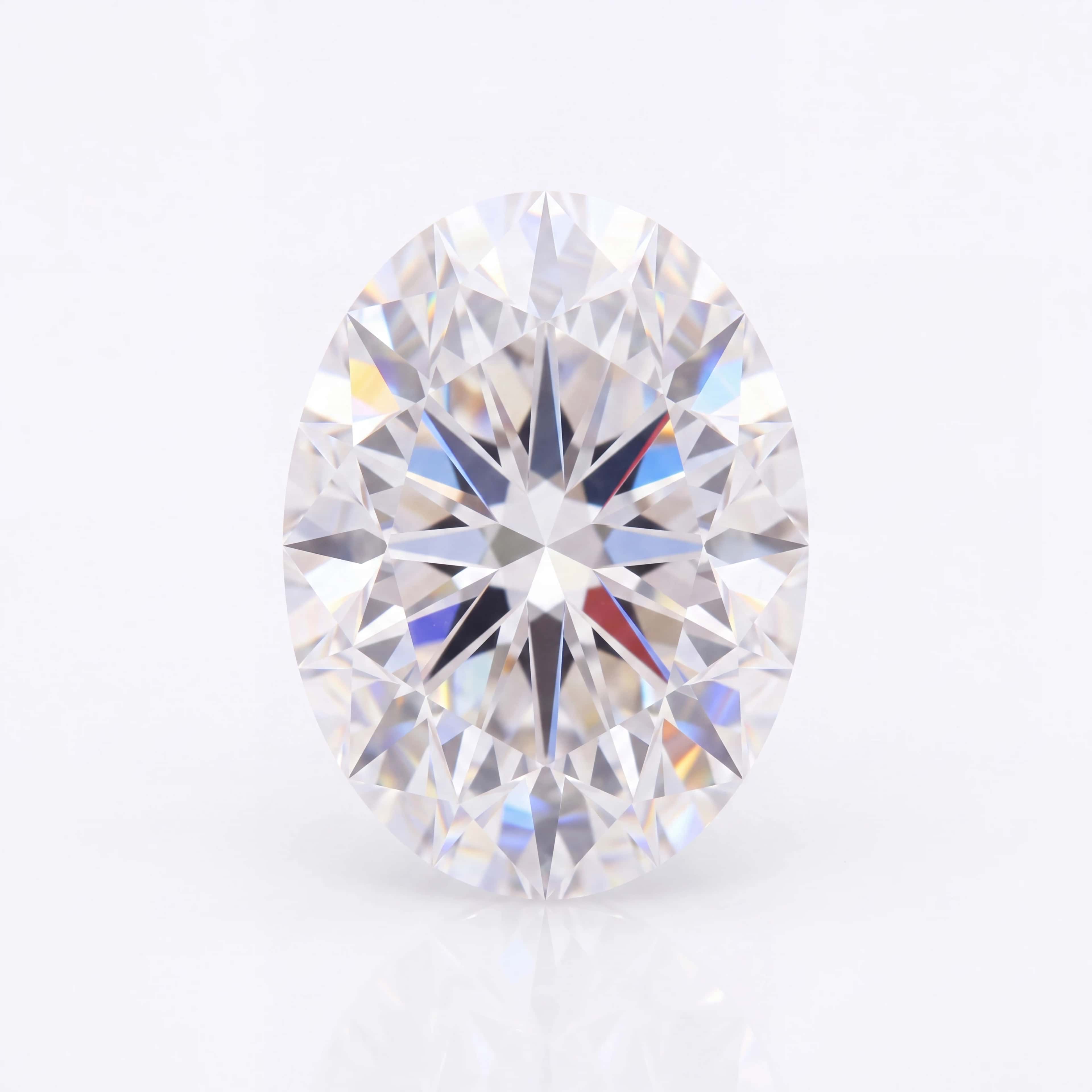
Oval
Oval

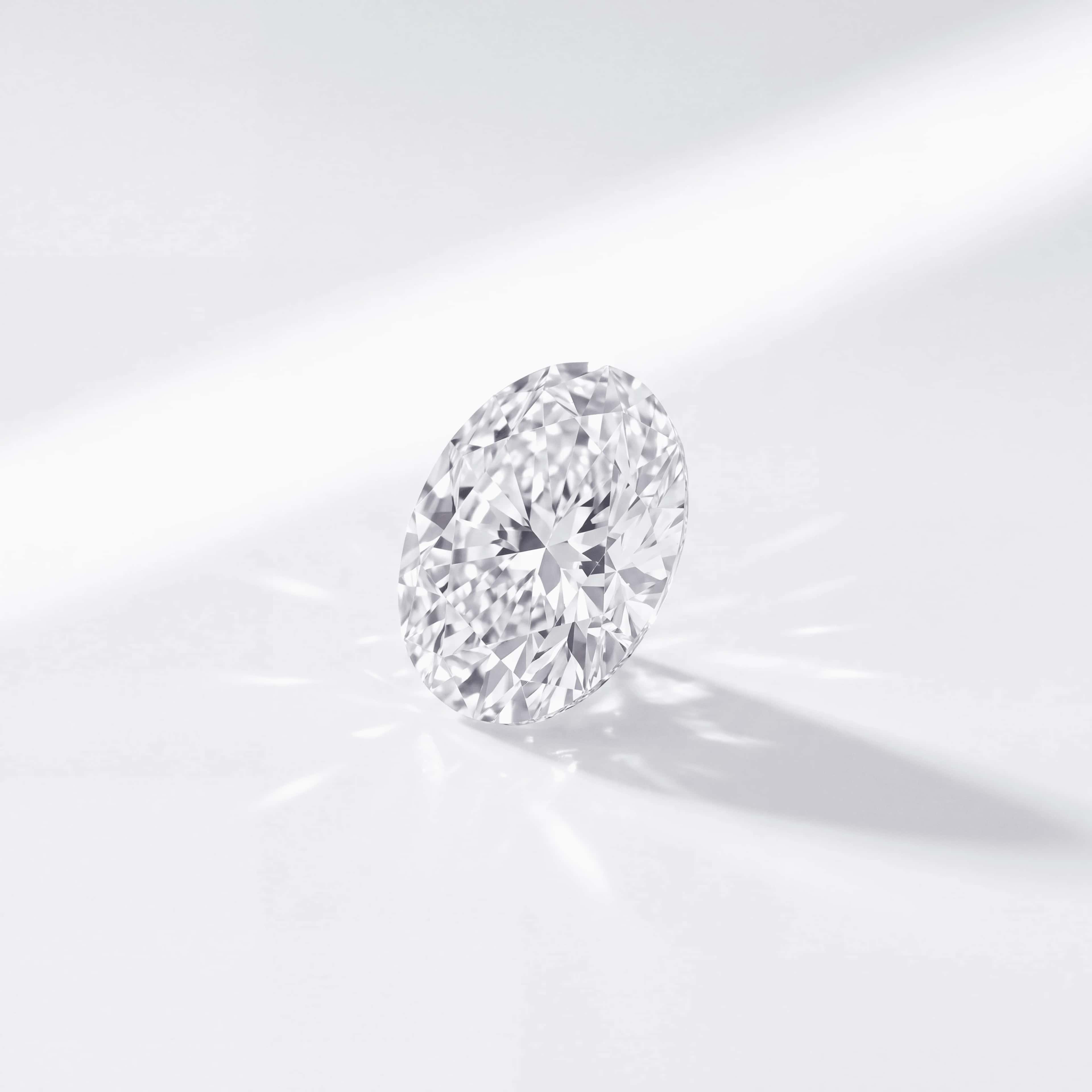
Oval diamonds create a larger visual spread than a round stone of the same weight, elongating the finger.

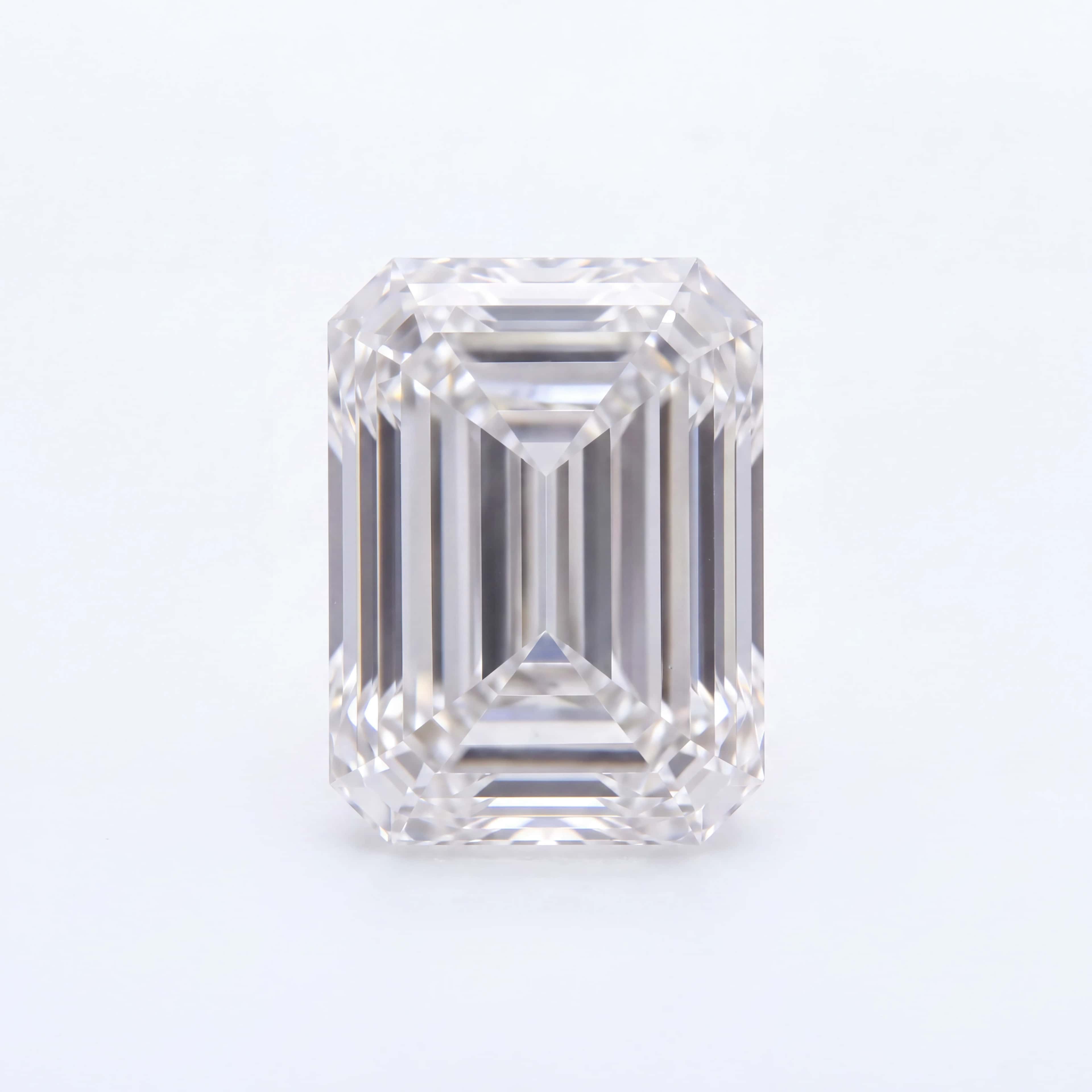
Emerald
Emerald

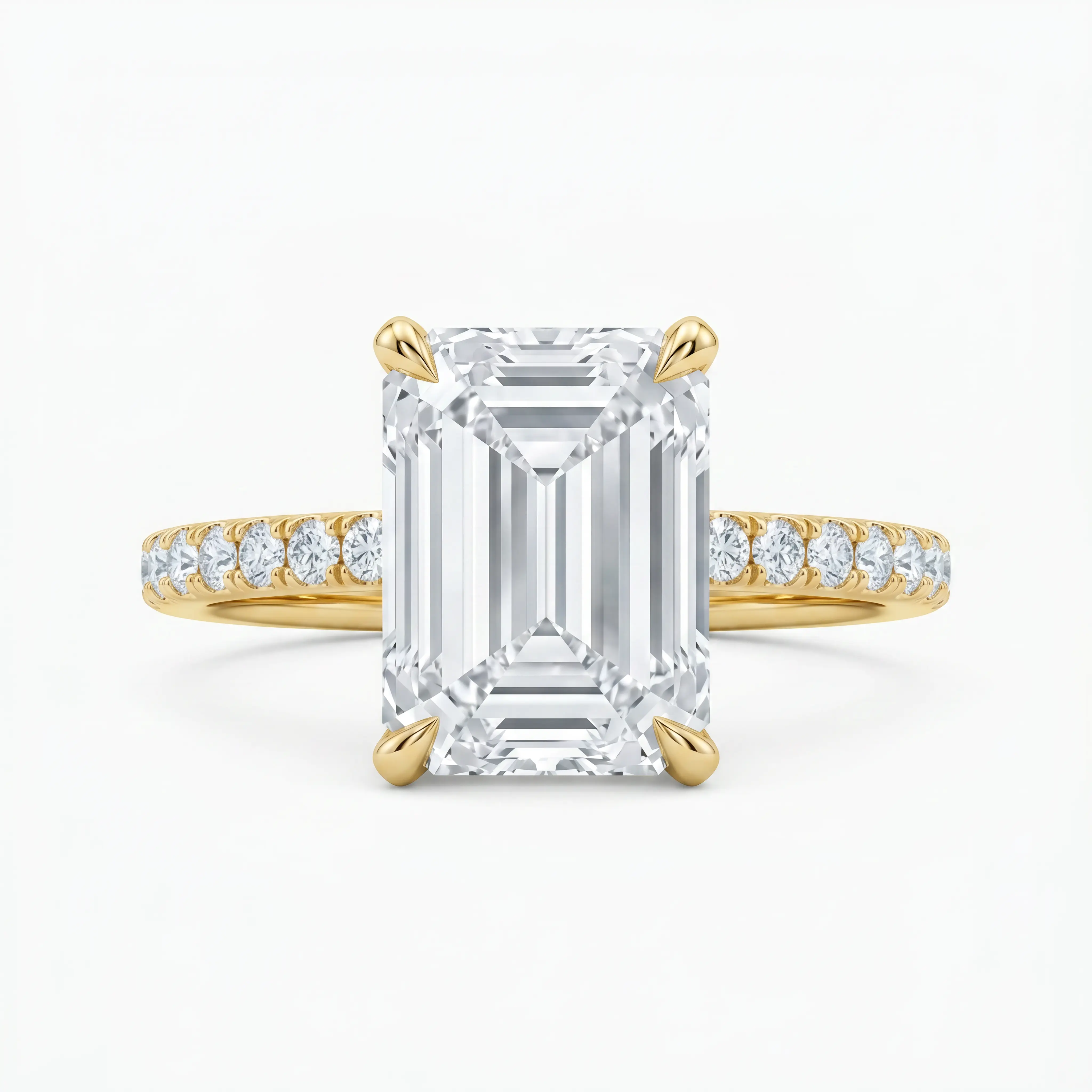
Emerald-cut diamonds use long, open step facets for a refined, hall-of-mirrors look well suited to bezel and trilogy settings.

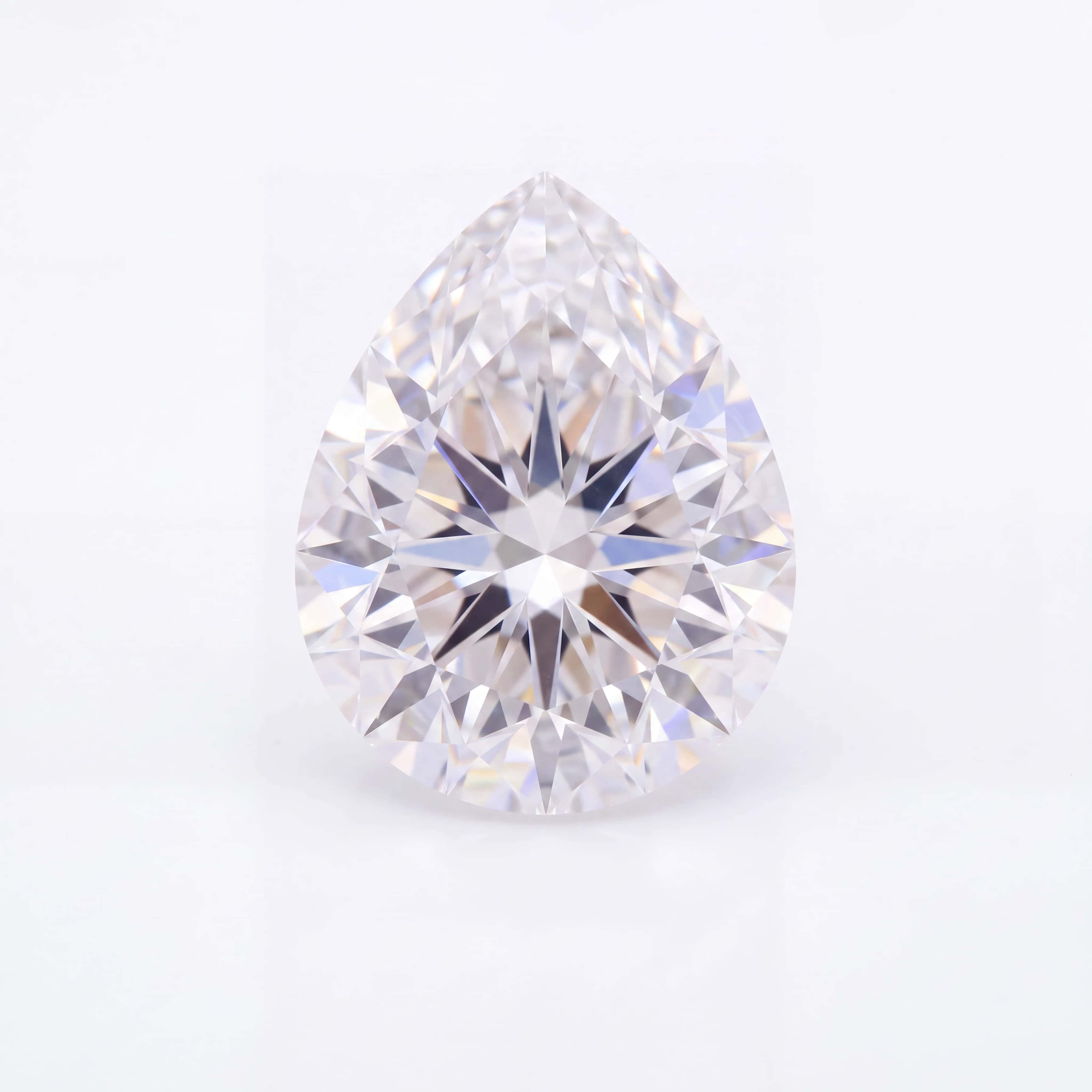
Pear
Pear

Pear-shaped diamonds carry an elongated silhouette that can lengthen the finger; their pointed end benefits from a protective setting.

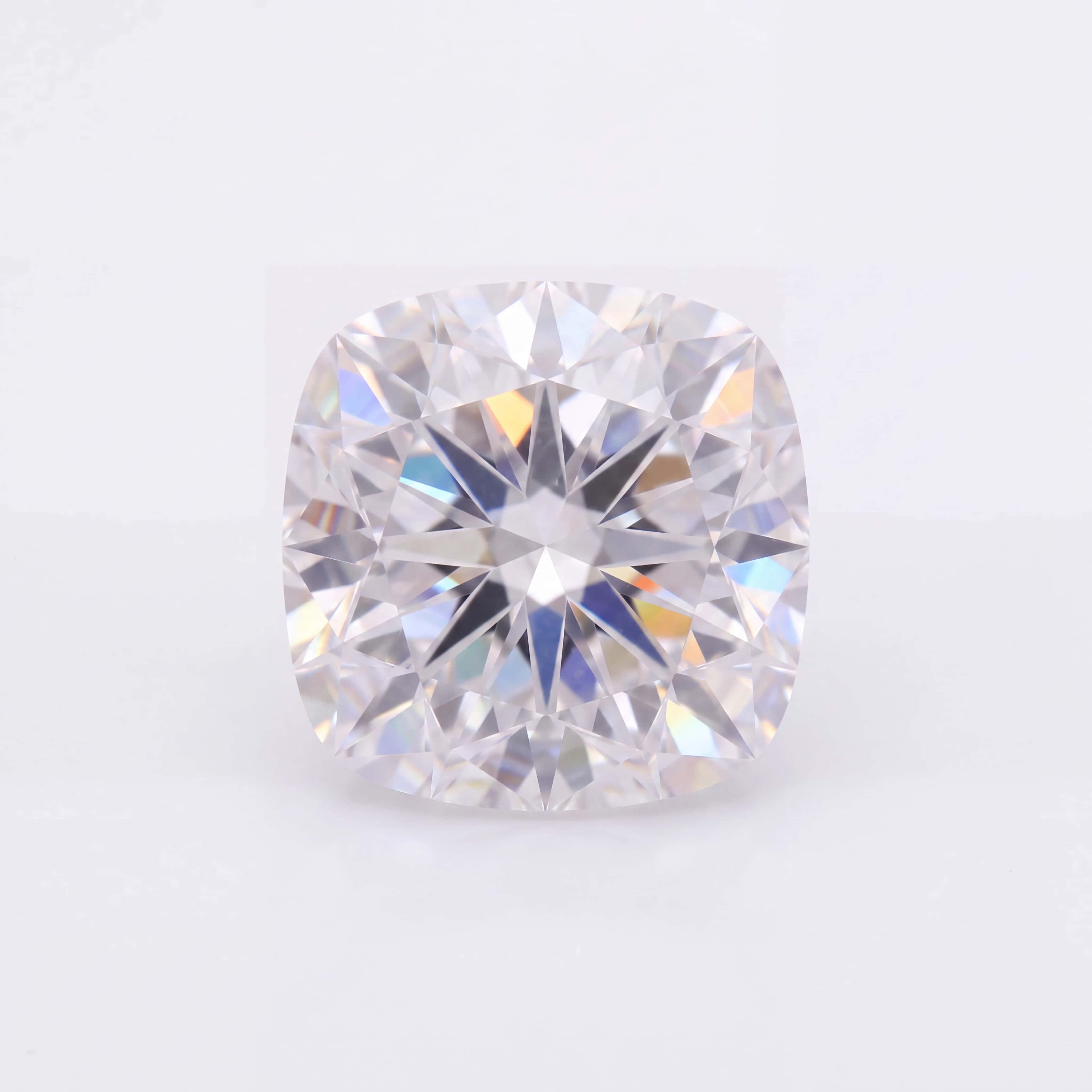
Cushion
Cushion

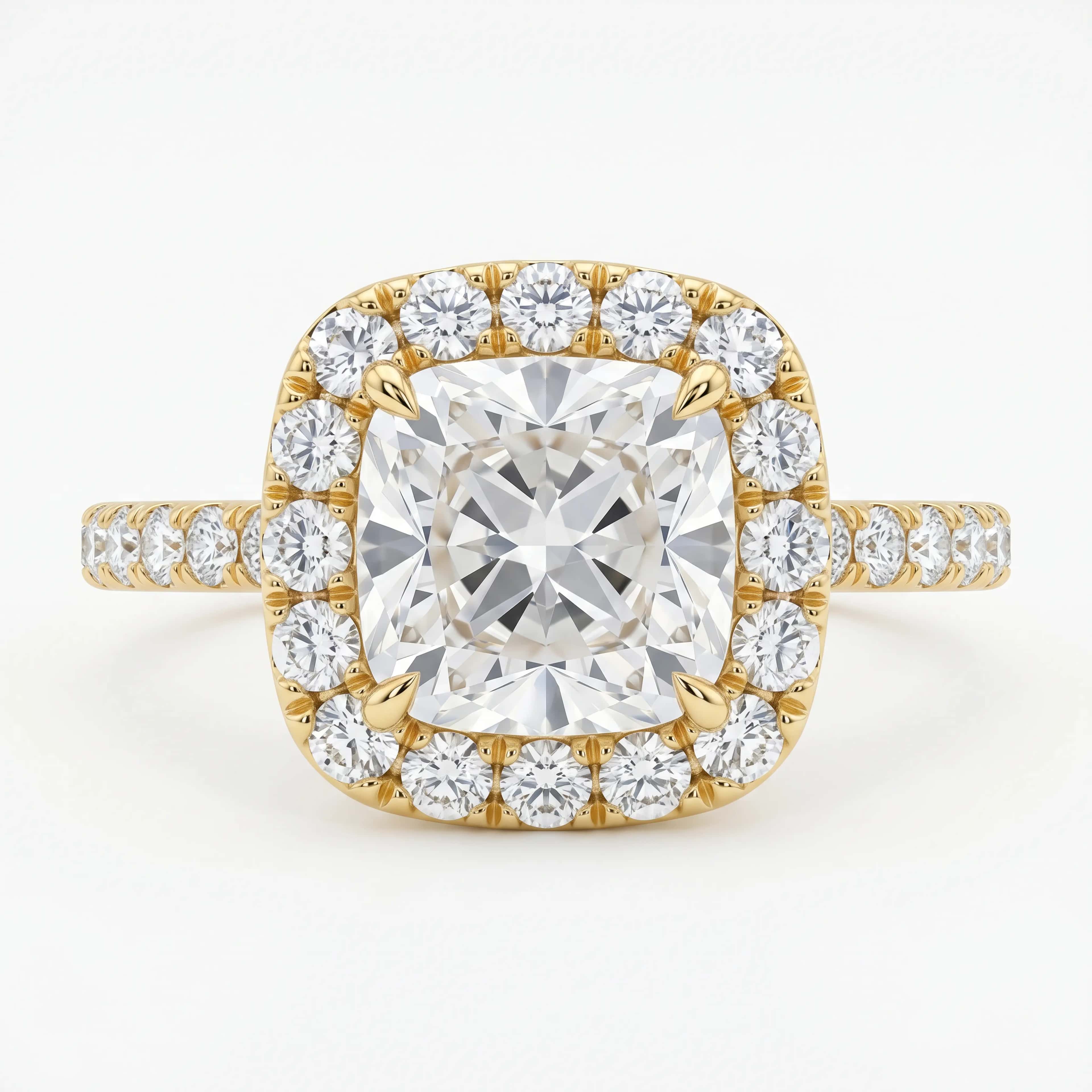
Cushion-cut diamonds pair soft, rounded corners with brilliant faceting for a slightly vintage feel.

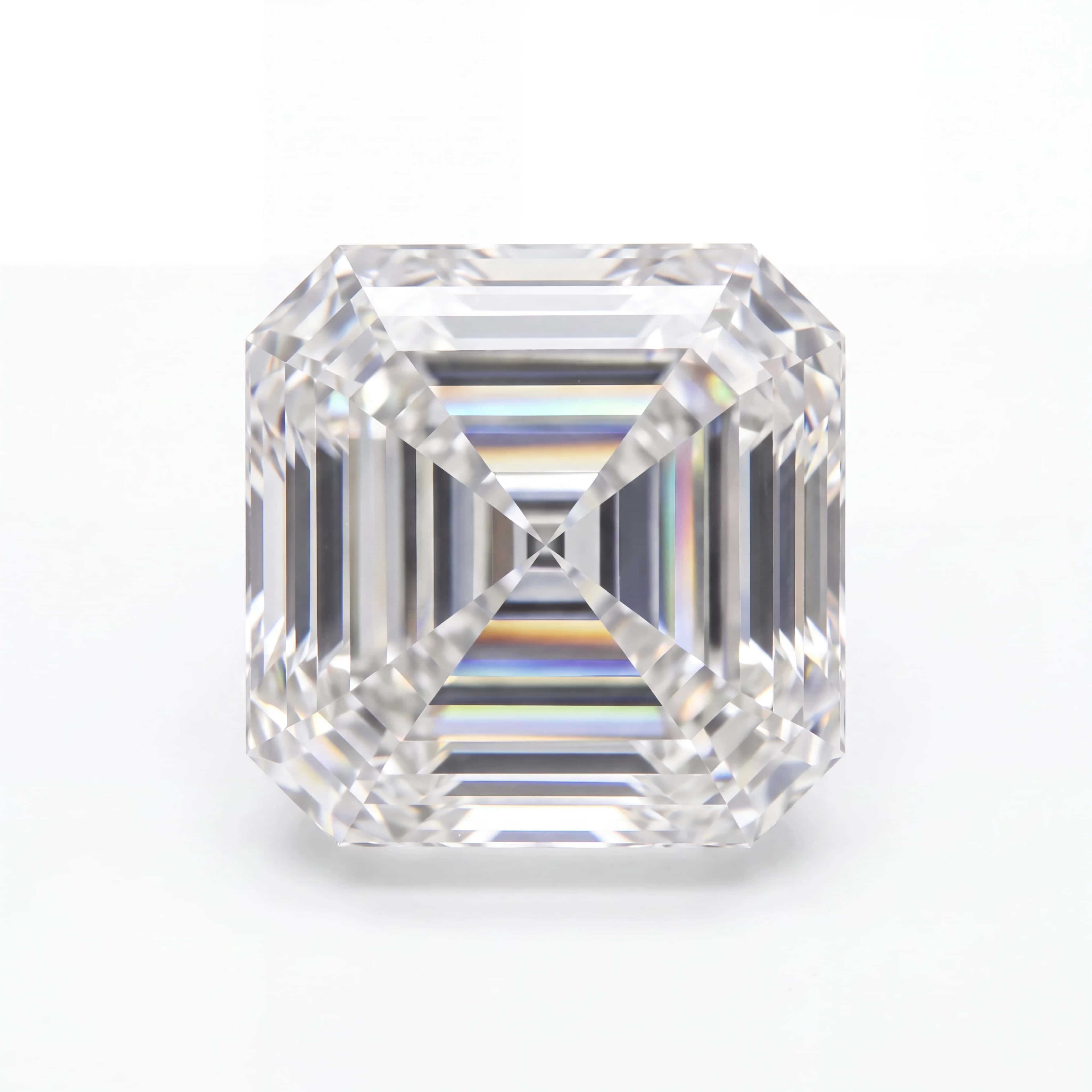
Asscher
Asscher

Asscher-cut natural diamonds use deep step facets within a square outline — a hallmark Art Deco shape with a vintage sensibility.

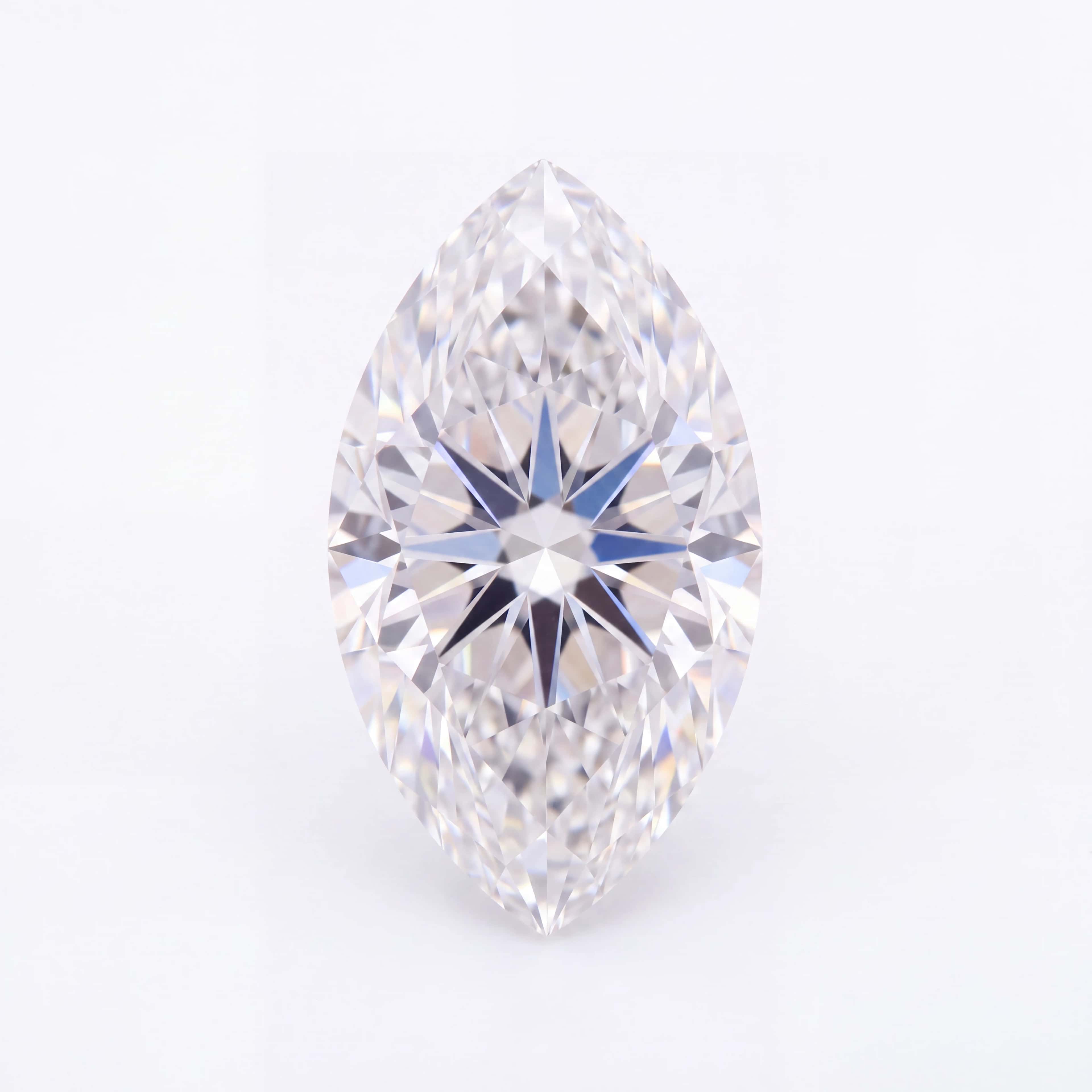
Marquise
Marquise

Marquise diamonds carry an elongated, pointed silhouette that maximises visual spread; both tips benefit from a protective setting.

Heart
Heart

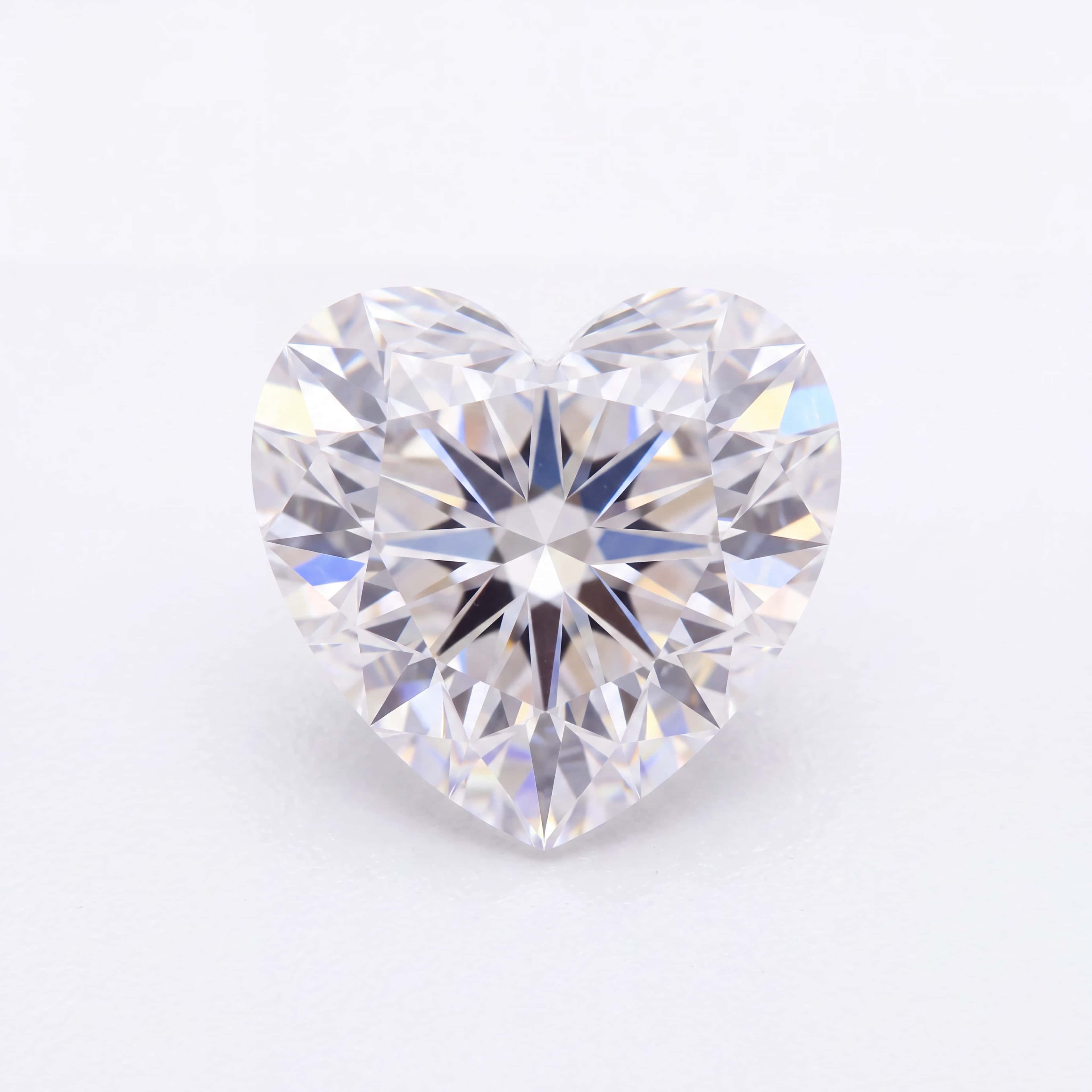
Heart-shaped natural diamonds are brilliant-faceted and cut for symmetry, traditionally chosen as a romantic gift.

Discover Heirloom Jewellery by Style

Alongside jewellery type and diamond shape, browse Heirloom by overall design preference — from a single, unmistakable centre stone to a more decorative, vintage-inspired silhouette.

Solitaire
Solitaire model
Solitaire

A single natural diamond centre stage, sitting low against the finger with the focus entirely on the stone.

Halo
Halo model
Halo

Smaller diamonds surround the centre stone to increase visual size and sparkle.

Bezel
Bezel model
Bezel

A fine metal edge wraps the stone for a protective, everyday-friendly profile.

Trilogy
Trilogy model
Trilogy

Three stones read as past, present and future — a larger centre diamond flanked by two smaller ones.

Toi-et Moi
Toi-et Moi model
Toi-et Moi

Two diamonds set side by side, matched or contrasting, for a personal, less traditional design.

Heirloom natural diamond engagement ring in a polished platinum setting

Why Choose Natural Diamonds?

A natural diamond carries something a laboratory cannot replicate quickly: time. Formed over an immense geological timescale and recovered from deep within the Earth, every natural diamond is geologically rare simply by virtue of how it came to exist. That rarity, combined with centuries of tradition around diamonds in engagement, wedding and milestone jewellery, is a large part of why natural diamonds continue to carry such personal and symbolic weight.

Choosing a natural diamond does not mean dismissing lab-grown alternatives, which have their own genuine appeal. It simply reflects a preference for a stone whose history stretches back long before it was ever set into a ring. Fine jewellery craftsmanship then takes that natural rarity and gives it a lasting home — a setting built to be worn for decades, and in many cases handed down long after that.

It's worth being clear-eyed too: a natural diamond is not automatically a guaranteed investment, and no two are interchangeable. Each stone's cut, colour, clarity and proportions genuinely differ, and it's that combination of characteristics — not natural origin alone — that determines how a particular diamond looks and performs.

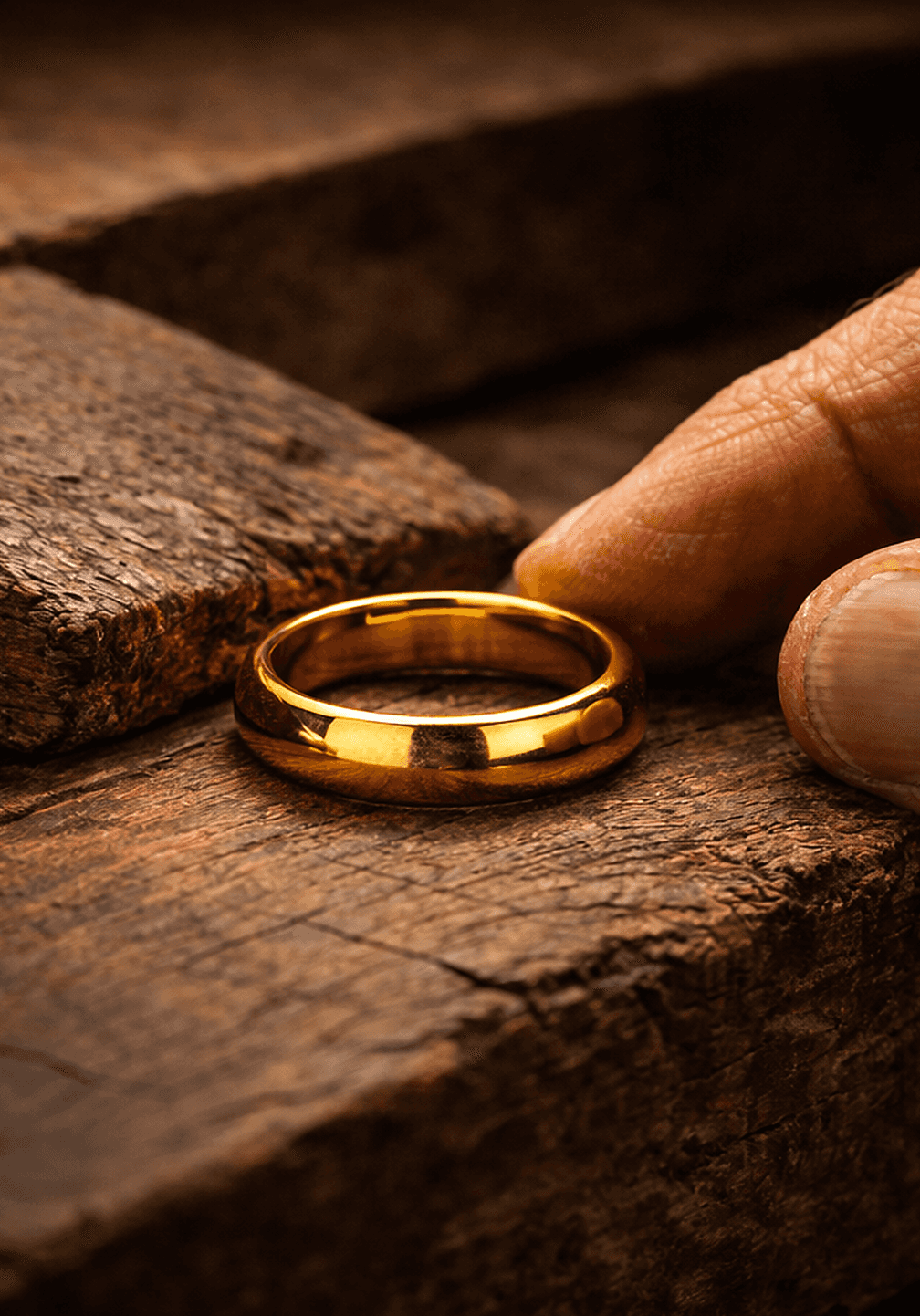
Polished gold heirloom band resting on weathered wood in warm lamplight

Natural Rarity, Heritage and Significance

Natural formation over geological timescales, combined with limited geological occurrence, is what makes each natural diamond genuinely rare. Diamonds have carried personal and cultural significance in jewellery for centuries, and that history is part of what makes them a fitting choice for engagement rings, wedding bands and other milestone purchases.

Natural Diamonds and Heirloom Jewellery

Jewellery built to last naturally lends itself to being passed between generations. A well-made setting, properly cared for, can carry personal history far beyond its original owner, which is exactly the idea behind the Heirloom name.

Round, oval and emerald-cut diamond solitaires in rose gold on silk

Individual Diamond Characteristics

Cut, colour, clarity, carat weight, proportions and fluorescence all combine to give each natural diamond its own visual character. These characteristics do not automatically make every stone more valuable than another; they simply mean that two diamonds of the same carat weight can look, and cost, quite differently depending on their individual qualities.

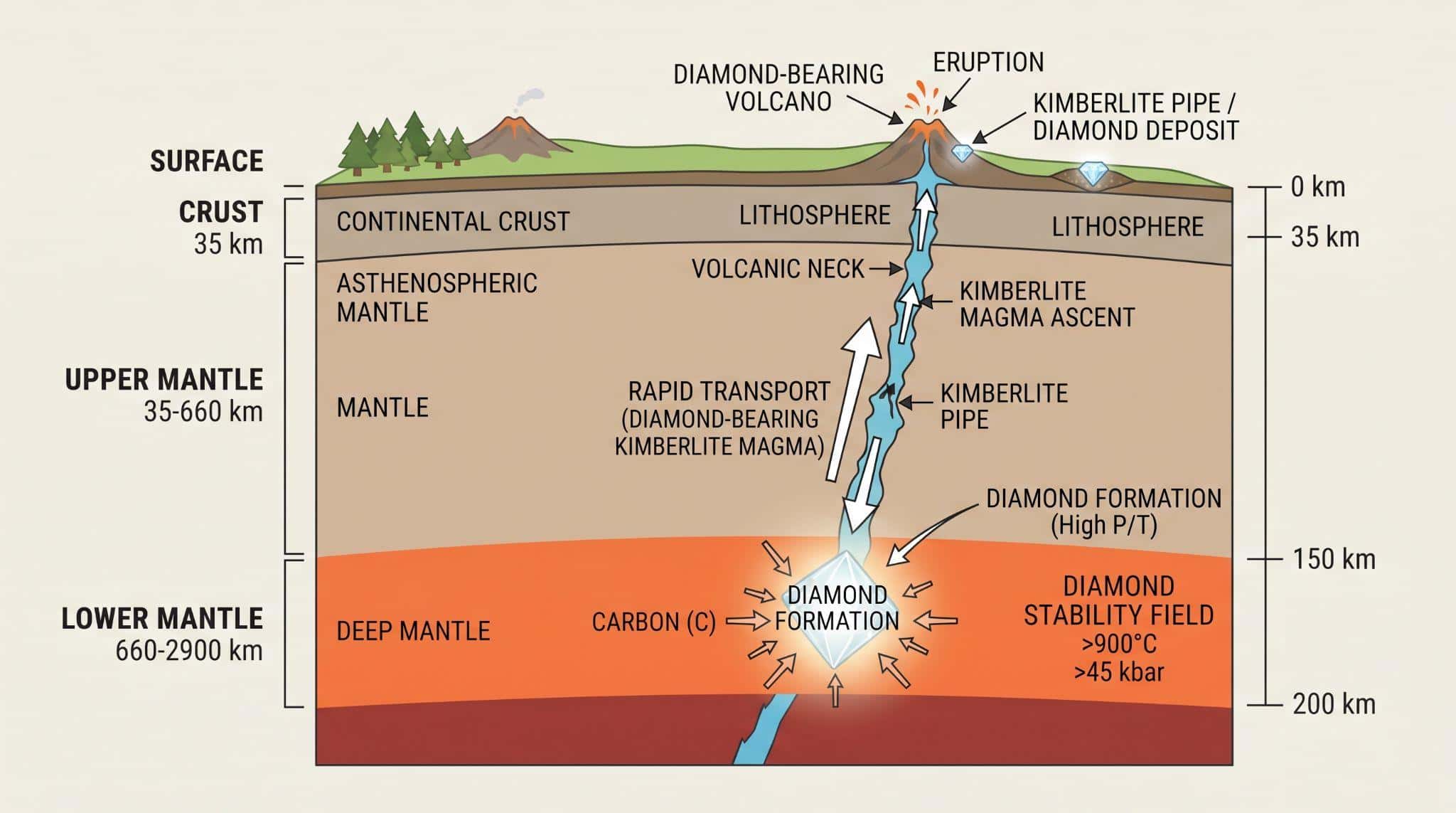
Diagram showing natural diamond formation deep beneath the Earth's surface

The Story of Natural Diamonds

Long before a natural diamond is set into a ring, it has already travelled an extraordinary distance. The journey begins deep beneath the Earth's crust, where intense heat and pressure act on carbon over vast stretches of geological time, slowly forming a crystal structure unlike almost anything else found in nature. Volcanic activity then carries rough diamonds closer to the surface, where they can eventually be recovered.

Loose oval-cut diamond on a pale surface

How Natural Diamonds Are Formed

Natural diamonds form when carbon crystallises under extreme heat and pressure roughly 150 to 200 kilometres beneath the Earth's surface, over enormous geological timescales rather than anything that can be precisely dated for an individual stone. Volcanic eruptions then transport rough diamonds far closer to the surface, where they can later be recovered.

Rough natural diamond transformed into a polished diamond and finished ring

From Rough Diamond to Finished Jewellery

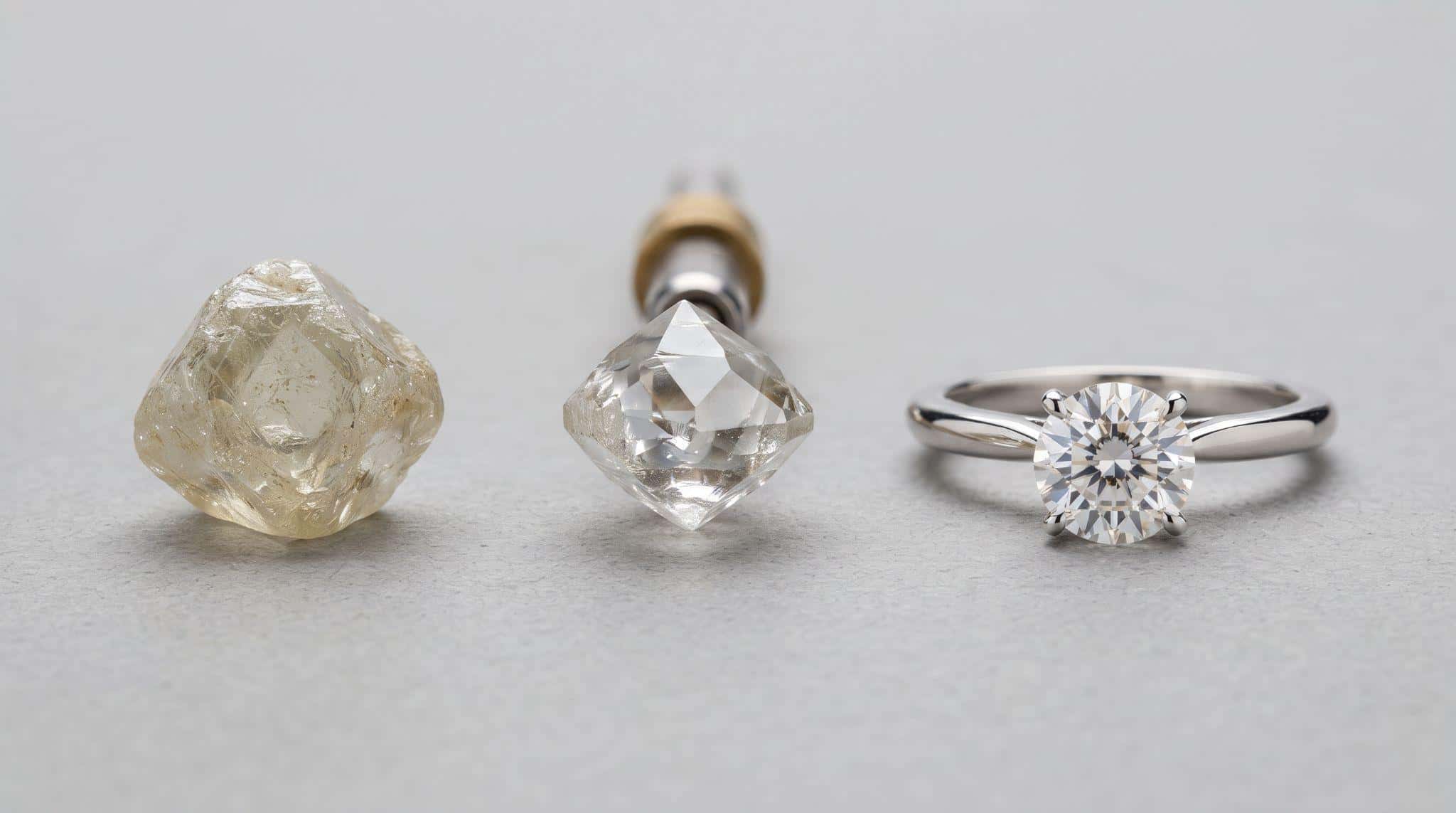
Once a rough diamond is assessed, specialists plan the cut that will best preserve carat weight while maximising brilliance. Cutting and polishing follow, then independent grading confirms the diamond's cut, colour, clarity and carat weight. Only then is the diamond matched to a metal and setting, mounted, and given a final quality check before it reaches you. You can learn more in our diamond education articles.

Natural and lab-grown round brilliant diamonds compared under the same lighting

Natural Versus Lab-Grown Diamonds

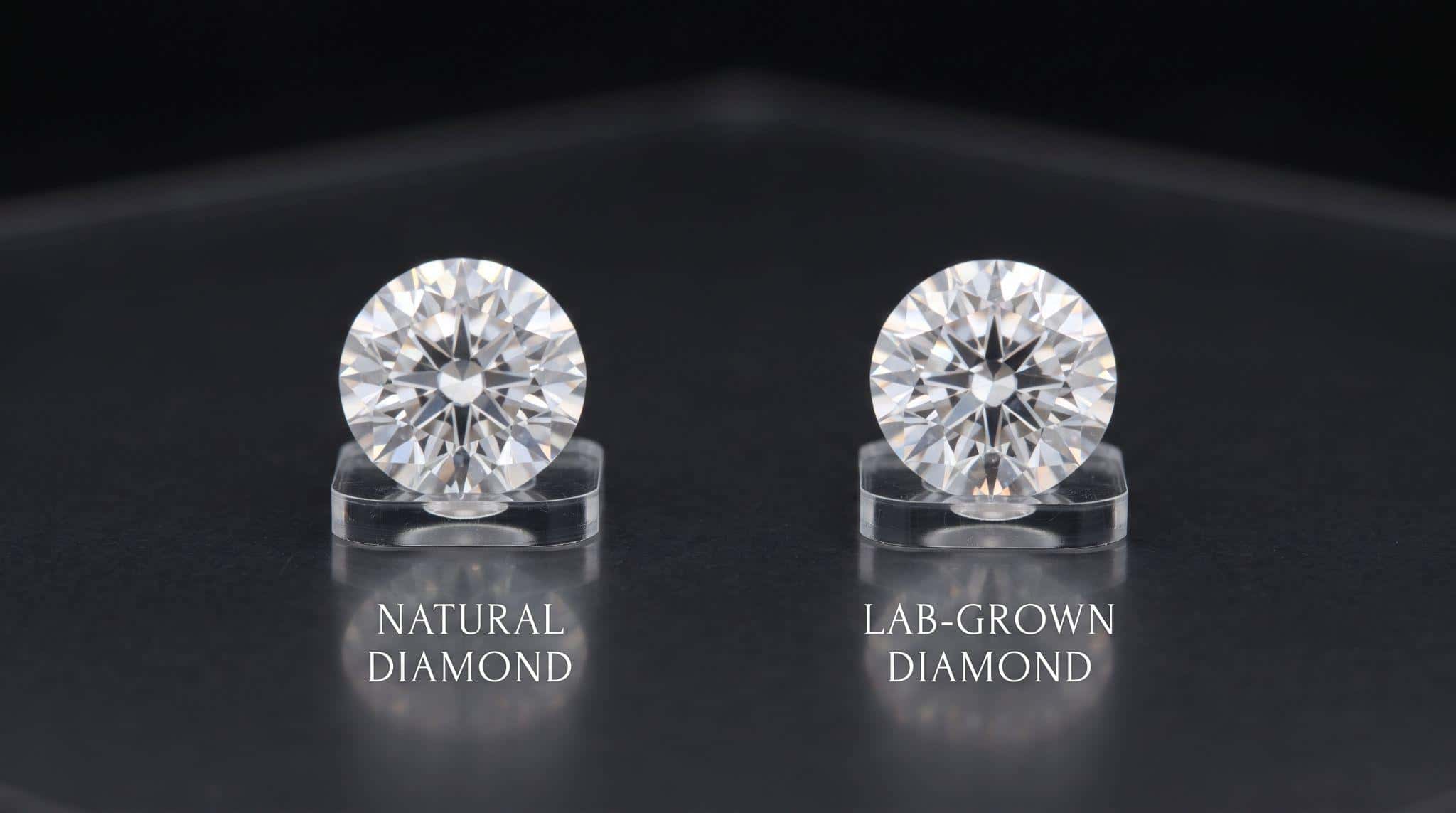
Natural and lab-grown diamonds are both genuine diamonds, sharing the same chemical composition and, broadly, the same optical properties. The meaningful difference lies in origin: one forms within the Earth over billions of years, the other is grown in a laboratory within a matter of weeks. That difference in formation is what drives natural diamonds' greater rarity, and it typically shows up in pricing, with natural diamonds commanding higher prices than lab-grown diamonds of comparable size and quality.

Resale markets for both categories are still developing and vary considerably by stone and circumstance, so neither should be treated as a guaranteed financial asset. Environmental impact depends on several variables for both, and reasonable people weigh those factors differently. Independent certification can confirm a diamond's origin either way — which is why we recommend always buying a diamond, natural or lab-grown, with a proper grading report attached.

Ultimately, this comes down to personal priorities rather than one option being objectively superior. Some customers value the geological rarity and heritage of a natural diamond; others prioritise value for a given carat weight, or a lower environmental footprint. Masaat also offers lab-grown diamonds through the Lumen collection, if you'd like to compare.

GIA and IGI diamond grading reports held in hand

Diamond Quality and Certification

Evaluating a natural diamond comes down to a handful of measurable characteristics: cut, colour, clarity and carat weight — sometimes referred to together as the four Cs — alongside proportions, polish, symmetry and fluorescence. Cut affects how well a diamond handles light and is often the single biggest factor in visible brilliance, more so than carat weight alone. Colour is graded from colourless to increasingly warm tones, while clarity describes the visibility of natural inclusions within the stone.

Carat weight measures a diamond's weight rather than its visual size directly, which is why two diamonds of the same carat weight can look noticeably different depending on cut and proportions. Independent grading exists precisely to remove guesswork: a report from a recognised laboratory records a diamond's individual measurements and characteristics, giving you a verifiable reference point rather than a seller's word alone.

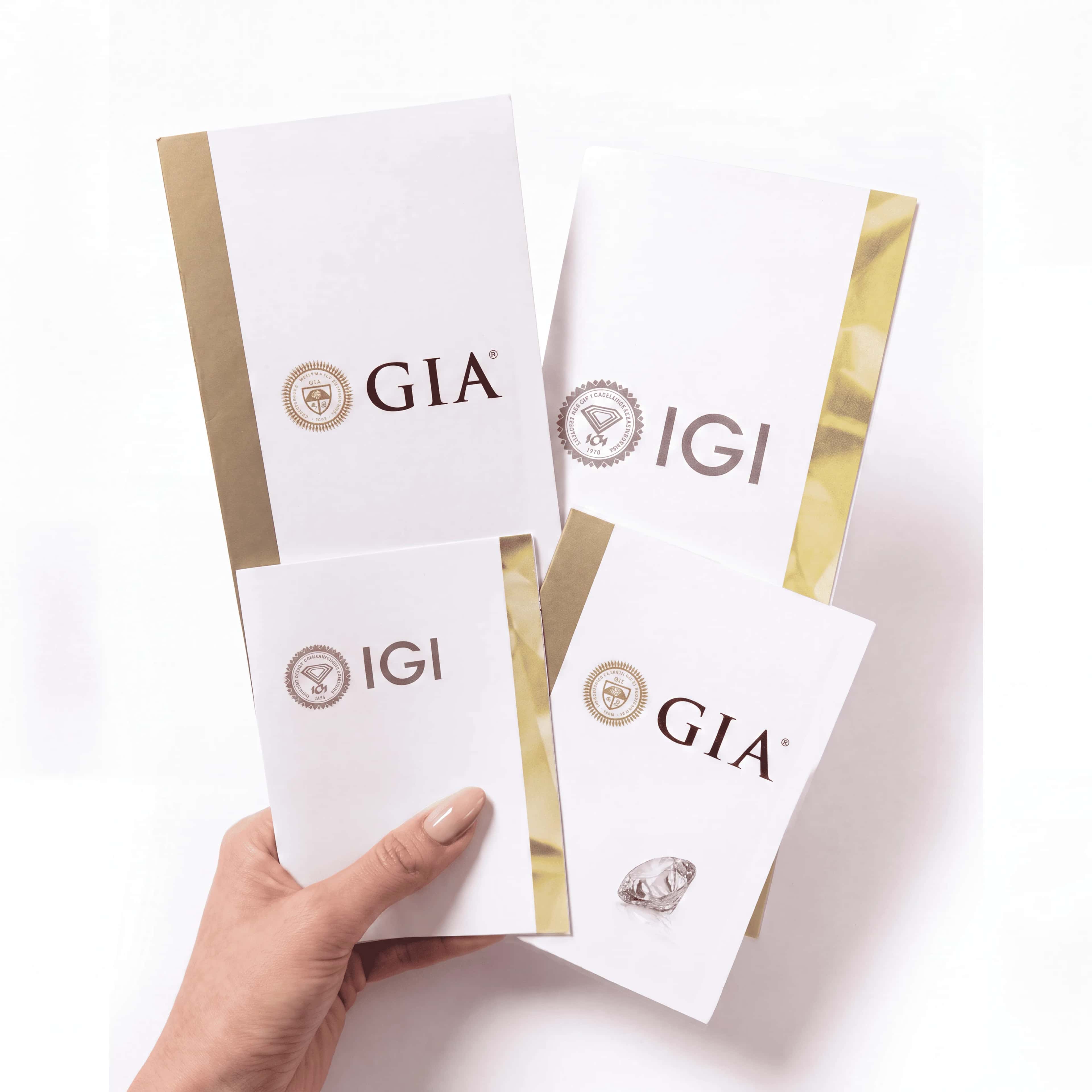
Every natural diamond within Heirloom is graded by GIA, widely regarded as the leading authority in gemological science. Where relevant, report numbers can be checked directly against the issuing laboratory's own records. Read our natural diamond certification guidance for a fuller explanation of GIA grading.

Radiant-cut diamond solitaire on a slim band worn on the hand

Choosing Natural Diamond Jewellery

With so many combinations of jewellery type, diamond shape, setting and metal available, it helps to work through your priorities in order. Occasion usually comes first — an engagement ring, a wedding band, or a gift for a milestone birthday or anniversary each points toward a different starting category. From there, budget, diamond shape and setting narrow the choice considerably, before certification, care and sizing bring the decision to a close.

Bespoke work is worth considering at any point in this process if nothing on the shelf feels quite right. Rather than compromising on a ready-made design, a consultation can translate your preferences into a piece built specifically around them, with your diamond, setting and metal chosen to match.

A simple checklist can help keep the process manageable:

  • Choose the jewellery type
  • Set a comfortable budget
  • Select a diamond shape
  • Review cut, colour, clarity and carat
  • Compare settings and metals
  • Check certification where relevant
  • Consider care and everyday wear
  • Confirm sizing and timescale

Our FAQ page covers sizing, delivery and bespoke timelines in more detail, and our team is available for a jewellery consultation if you would like personal guidance.

Heirloom Education Centre

Buying natural diamond jewellery is easier with a little background knowledge. These guides cover the topics customers ask about most — from certification to metal choice to caring for a finished piece.

Choosing the Right Metal for Your Engagement Ring

Choosing the Right Metal for Your Engagement Ring

Choosing an engagement ring is one of the most exciting parts of planning a proposal. Most people naturally focus on the diamond, gemstone, or overall design, but the metal chosen for the ring is equally important. It shapes the ring's appearance, influences how it wears over time, and contributes significantly to its character.

READ MORE›
Lab-Grown vs Natural Diamonds: What You Need To Know

Lab-Grown vs Natural Diamonds: What You Need To Know

Picking an engagement ring has always carried a certain weight to it, not just financially, but emotionally. For a growing number of people, exploring a lab-grown diamond option alongside natural diamonds has become a natural part of that conversation.

READ MORE›

Frequently Asked Questions

A natural diamond forms from carbon crystallising deep within the Earth over an immense geological timescale, under intense heat and pressure. This natural formation is what separates it from a laboratory-grown diamond, which is created above ground in a controlled environment over a matter of weeks. Both are genuine diamonds with the same crystal structure, but their origin differs completely.

Every natural diamond within the Heirloom collection is independently graded by GIA, the leading authority in diamond grading. A GIA report confirms the diamond's cut, colour, clarity and carat weight, along with its natural origin, giving you complete confidence in exactly what you are purchasing.

Natural diamonds form when carbon is exposed to extreme heat and pressure roughly 150 to 200 kilometres beneath the Earth's surface. Over vast geological timescales, this carbon crystallises into rough diamond, which is later carried closer to the surface by volcanic activity, ready to be recovered, cut and polished.

Natural and lab-grown diamonds share the same chemical composition and optical brilliance, but their origin sets them apart. Natural diamonds form within the Earth over billions of years, making each one geologically rare, while lab-grown diamonds are produced in a laboratory within weeks. This difference typically affects price, rarity and long-term resale expectations rather than day-to-day appearance.

Start with the jewellery type and occasion you have in mind, then consider diamond shape, setting, metal and budget. Thinking about how the piece will be worn day to day also helps narrow down the setting style and metal that will suit your lifestyle best. A specialist consultation can help bring these choices together.

Consider your budget first, then the diamond shape, cut, colour and clarity that appeal to you. Setting style, metal choice and ring size all matter too, along with how the ring will pair with a future wedding band. Allow time for bespoke work if you would like a fully personalised design.

Resale value depends on many factors, including quality, rarity, condition and market conditions at the time of resale, so no natural diamond can be guaranteed to hold or increase in value. What natural diamonds do offer is enduring rarity and long-term wearability, which many customers value independently of resale considerations.

The only reliable way to confirm a diamond is genuine is through independent certification and professional testing using specialist gemological equipment. Home tests are not conclusive, since some simulants can pass simple checks. Every Heirloom diamond is GIA certified, so its authenticity is verified before it ever reaches you.

Yes. Diamond is the hardest known natural material, making it well suited to daily wear. Even so, a secure setting matters, and periodic professional inspection helps catch any wear to prongs or claws before it becomes a problem, particularly for rings worn during manual activity.

Clean your jewellery gently with warm water and a soft brush, avoiding harsh chemicals that can affect the metal finish. Store pieces separately to prevent scratching, and have the setting checked periodically to make sure diamonds remain secure, especially before significant wear or travel.

Yes. Bespoke design is central to Masaat London. The process begins with a consultation on design and budget, followed by design development, expert production in the atelier, and final delivery, with most bespoke pieces completed within approximately three to four weeks.

Price depends on the diamond's carat weight, cut, colour, clarity and shape, along with the setting and metal chosen. Heirloom pieces span a range of price points, so browsing the collection or speaking with a specialist is the best way to find options that suit your budget.

Explore Heirloom and Speak to a Diamond Specialist

Whether you're ready to buy, still comparing diamond shapes and certification, or thinking about a fully bespoke design, our team is on hand to help with one-to-one guidance on diamond quality, setting choice and budget.