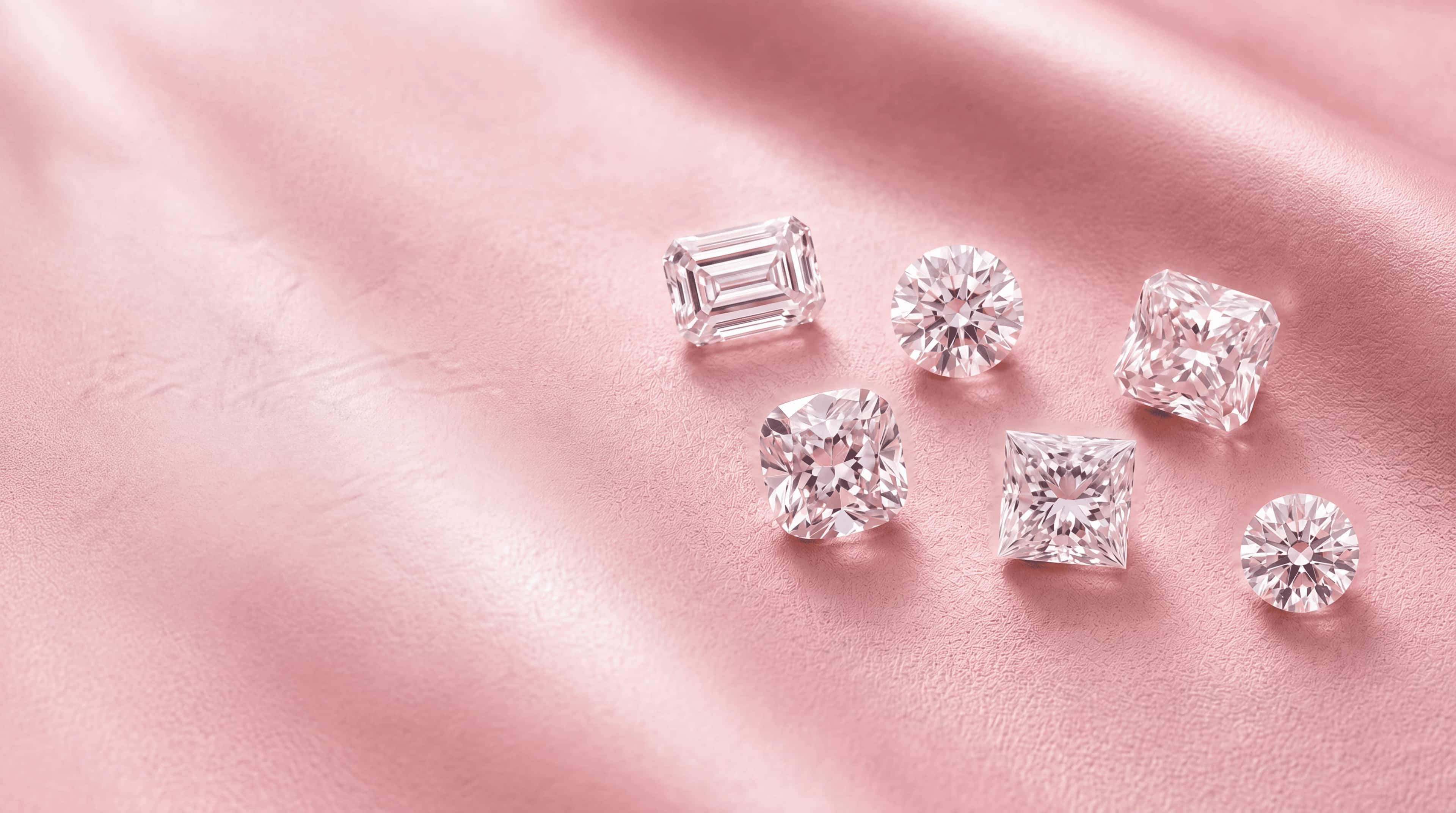
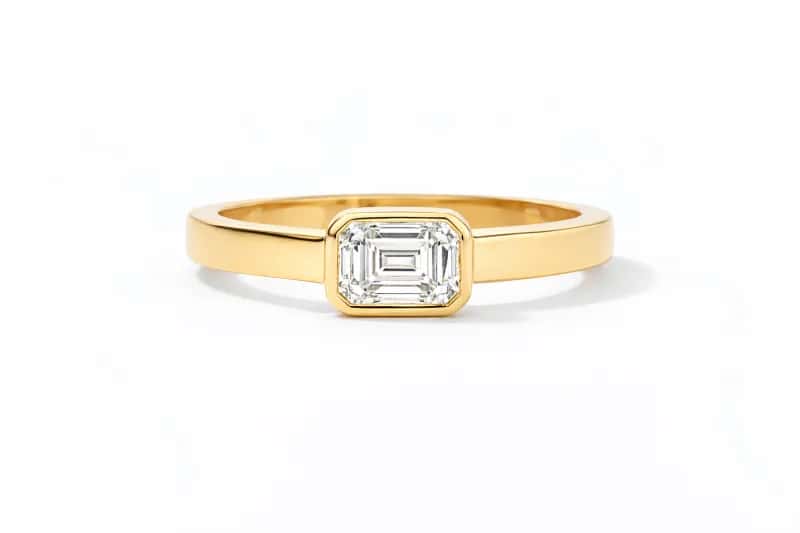
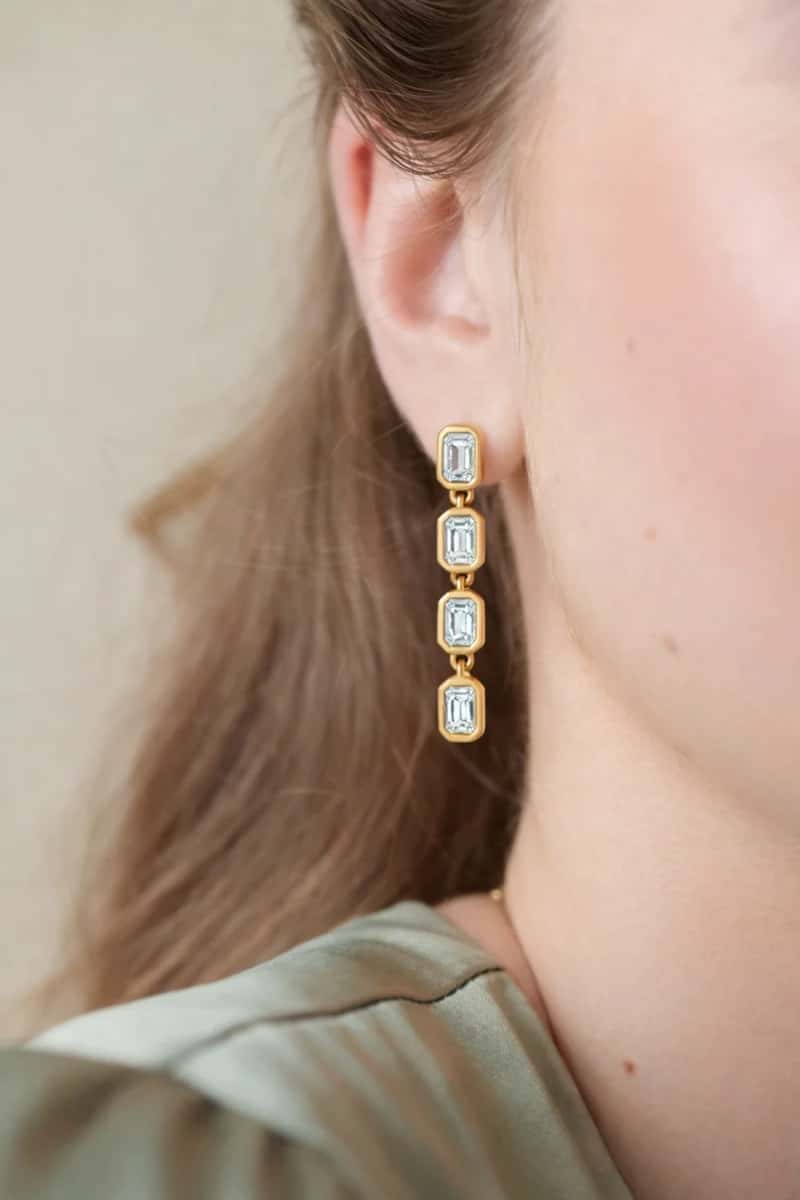
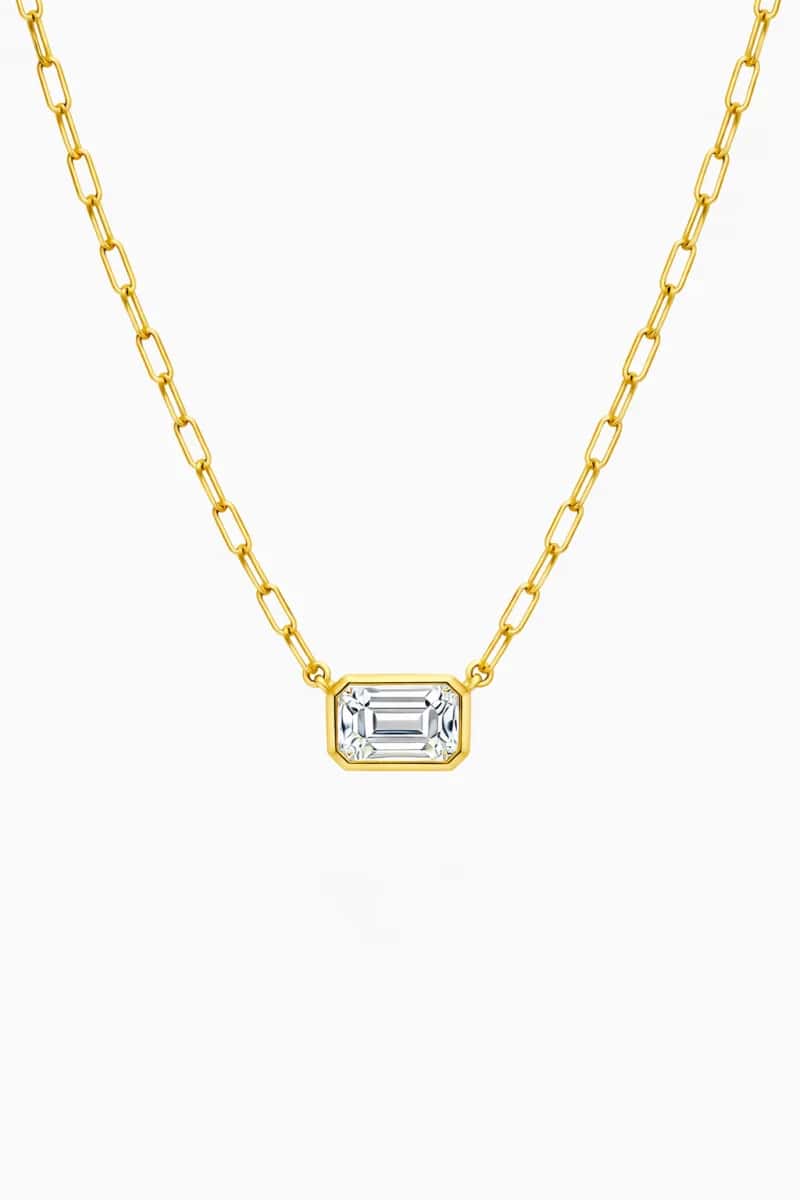
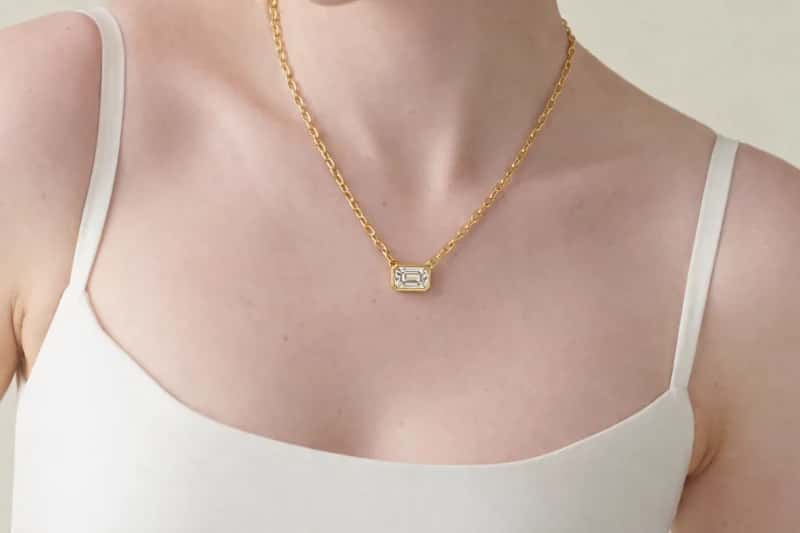
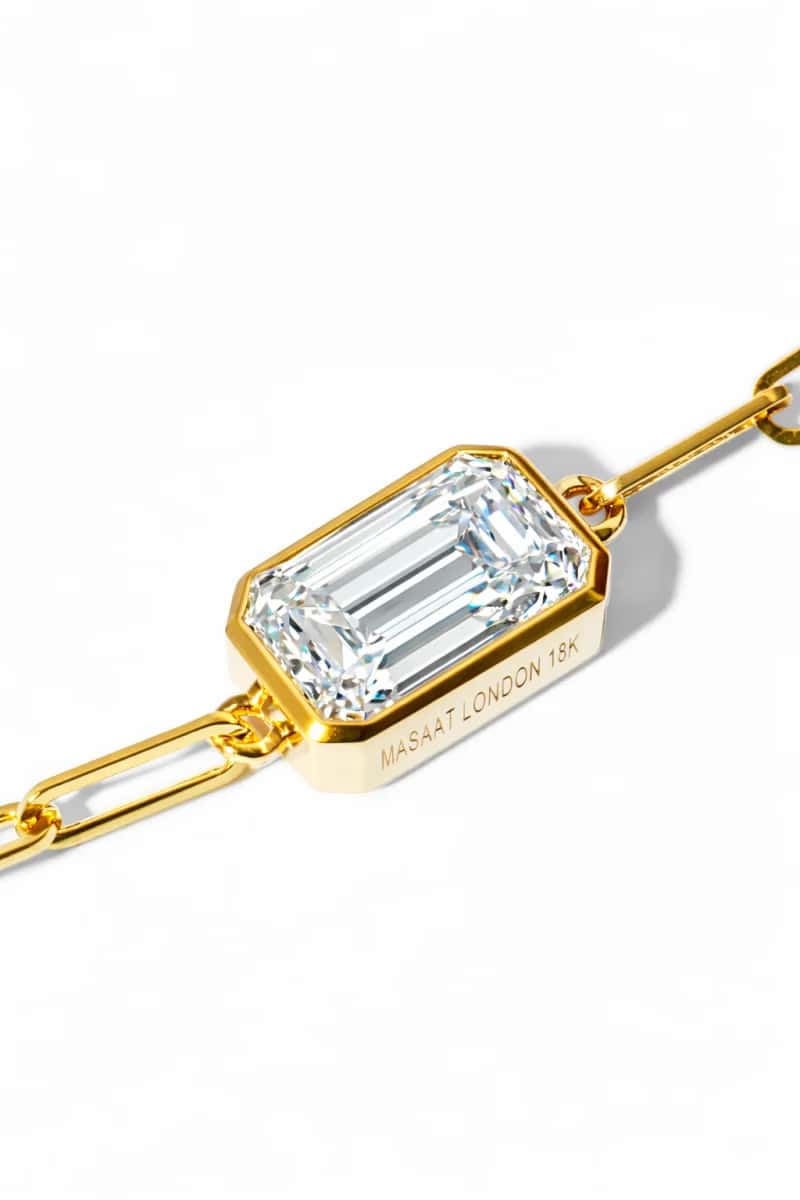
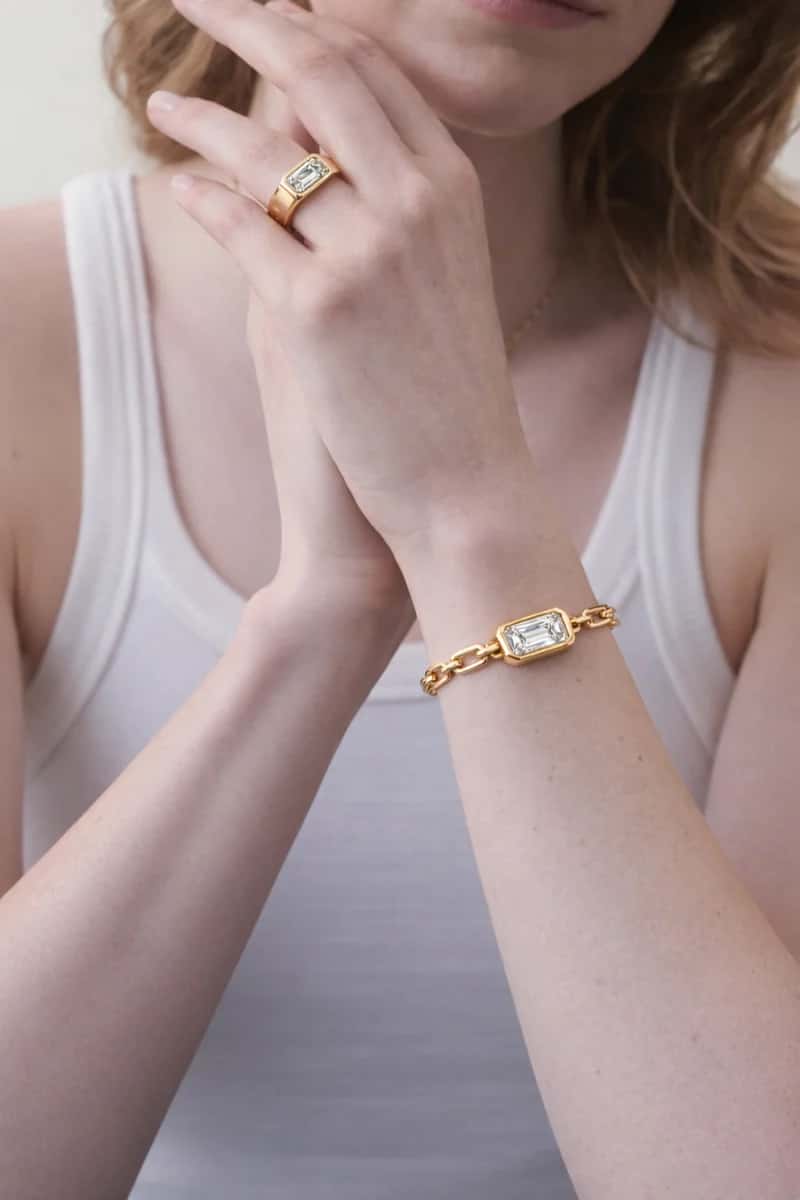
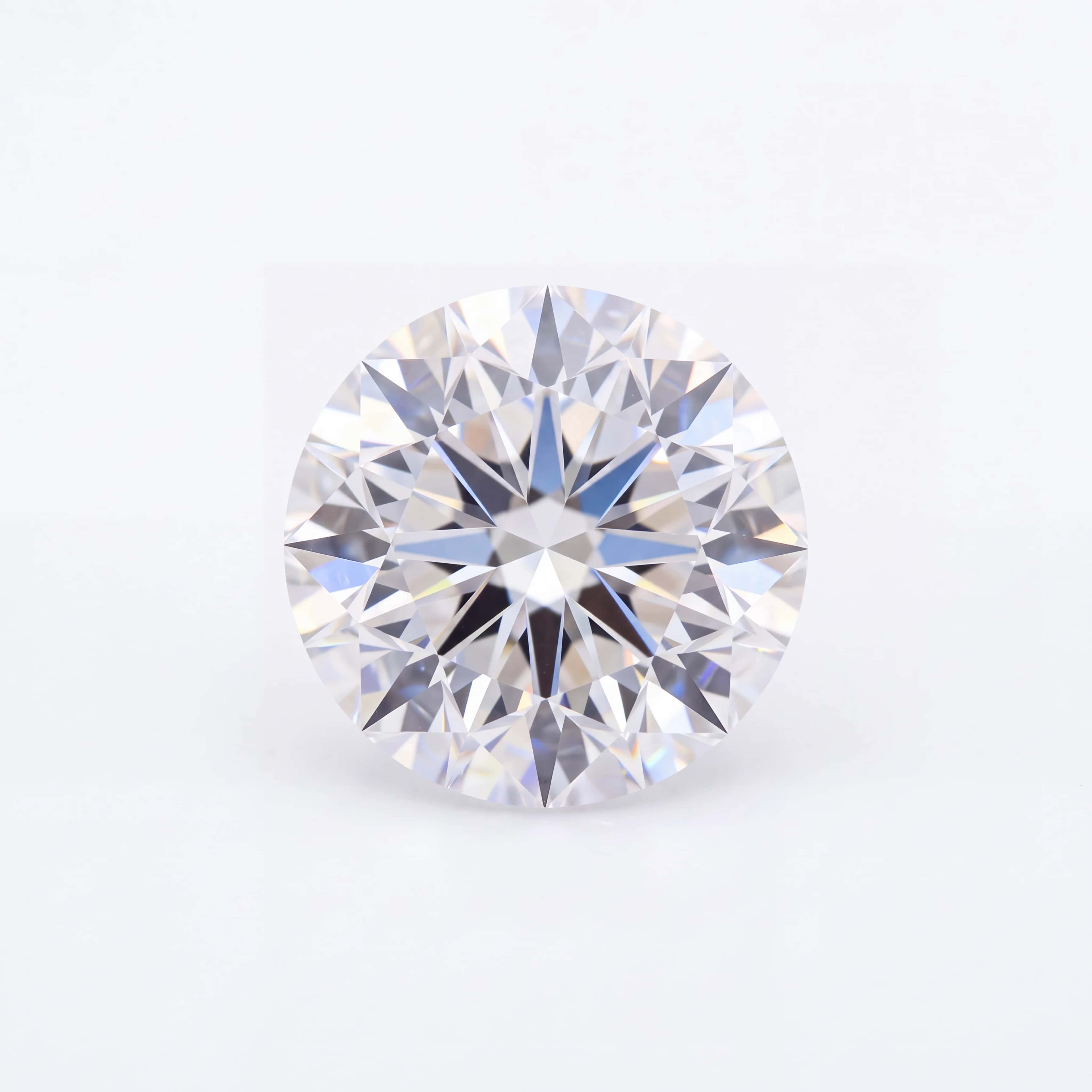
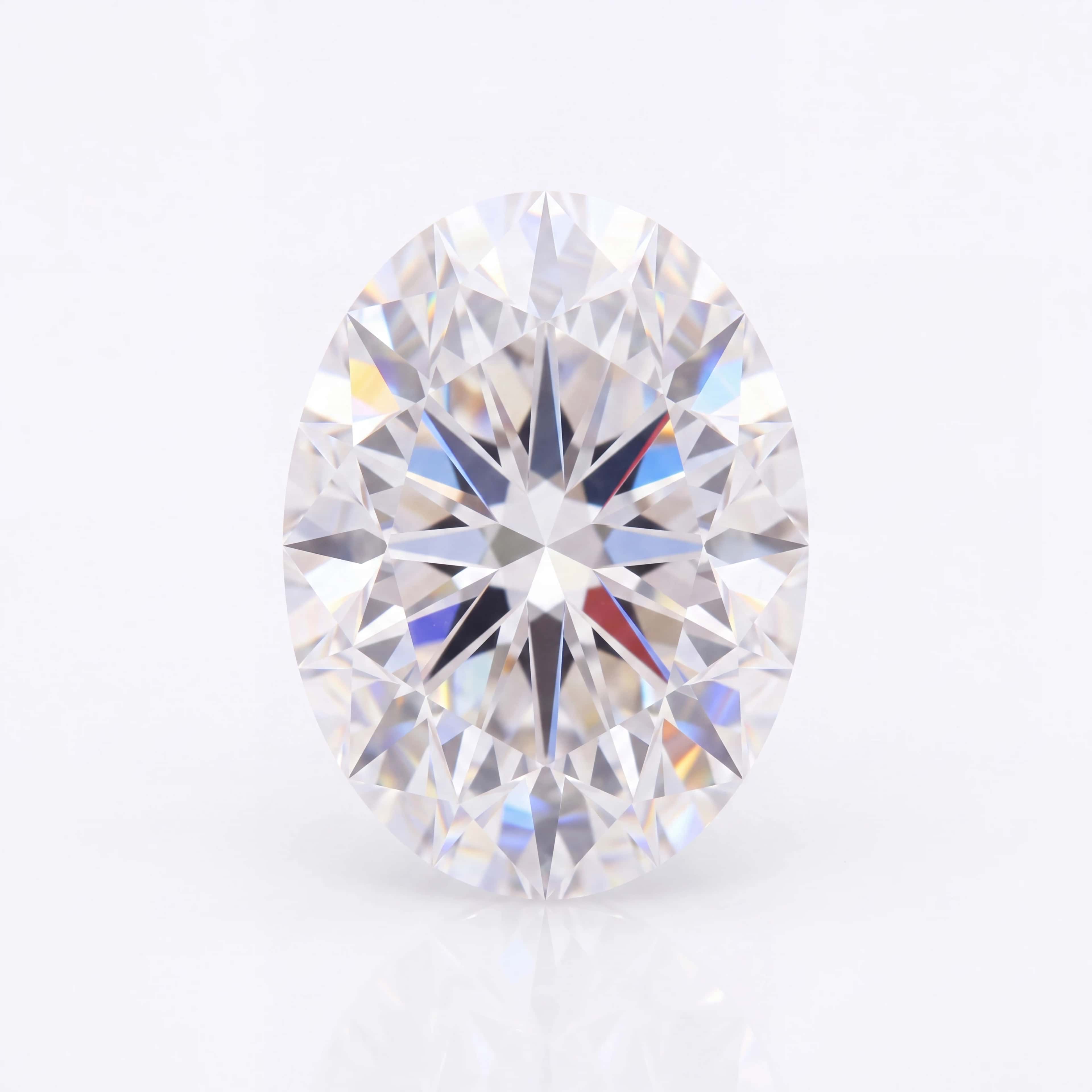
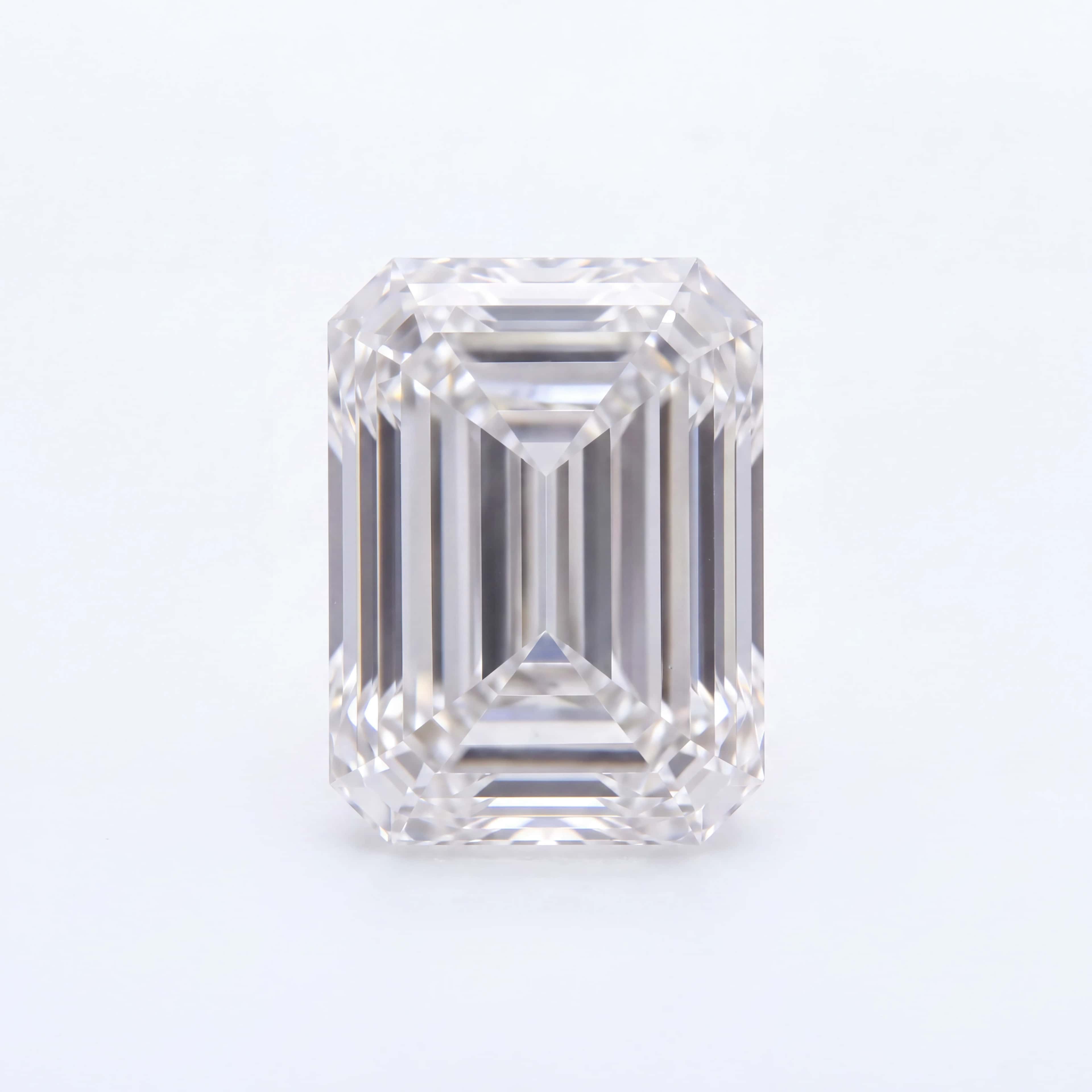
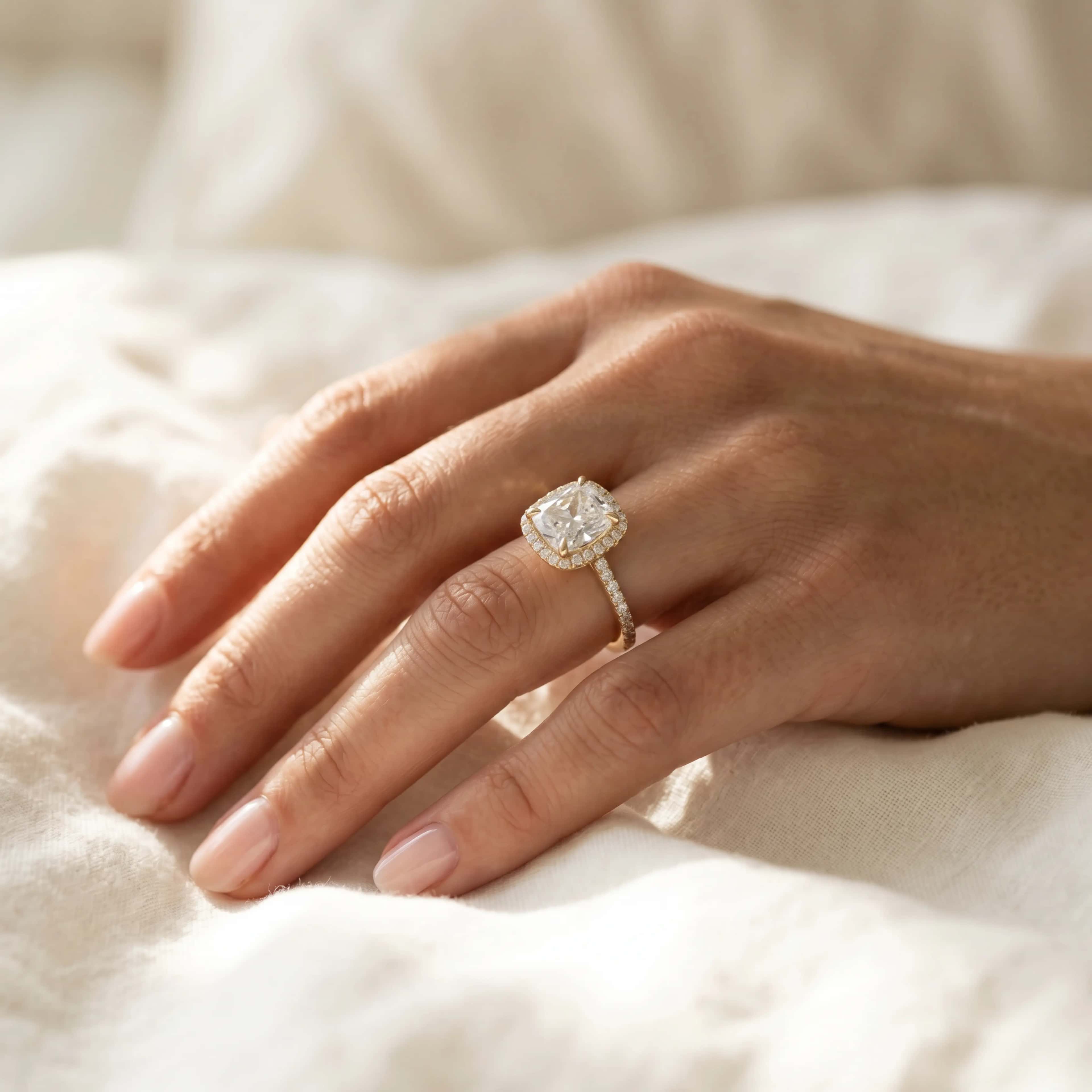
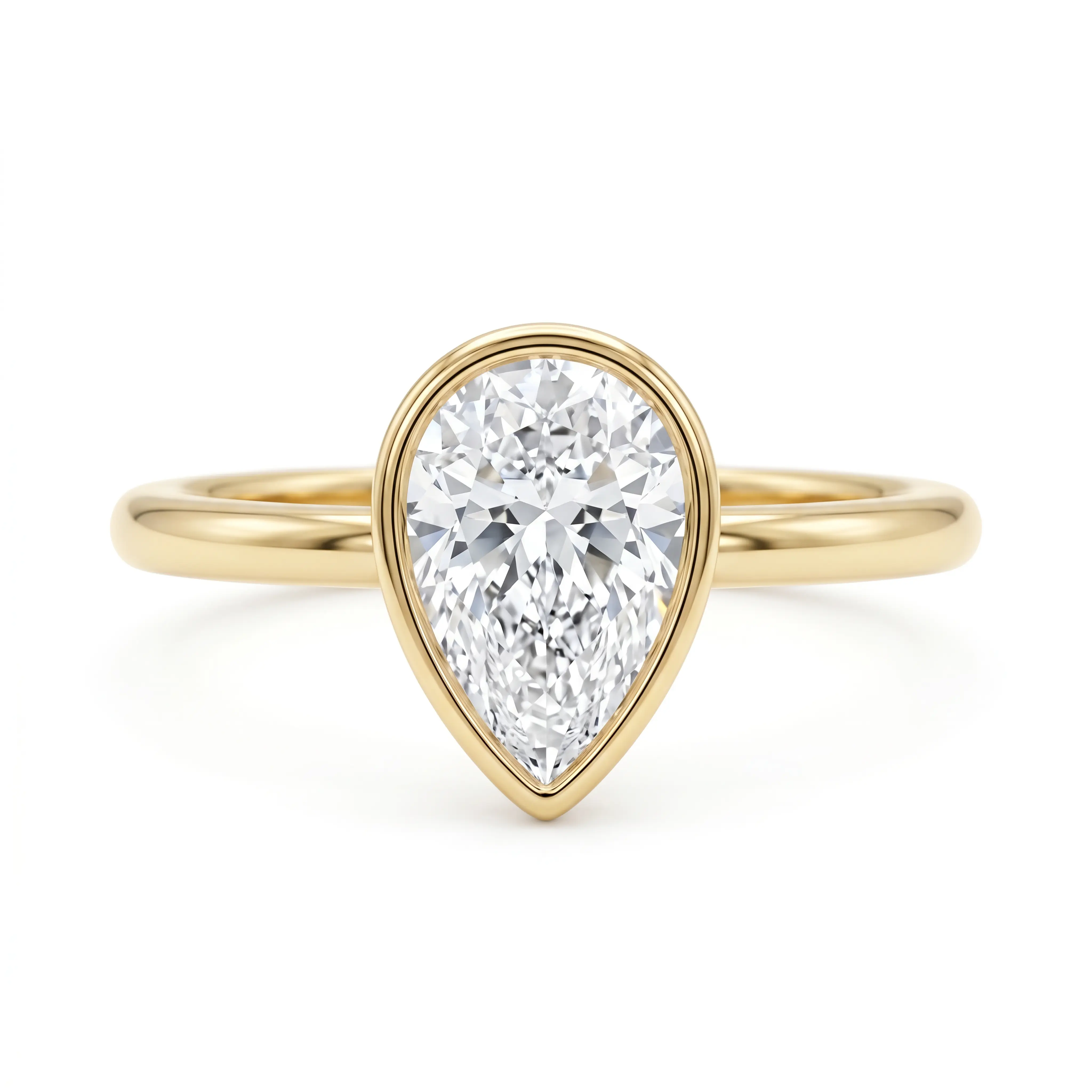
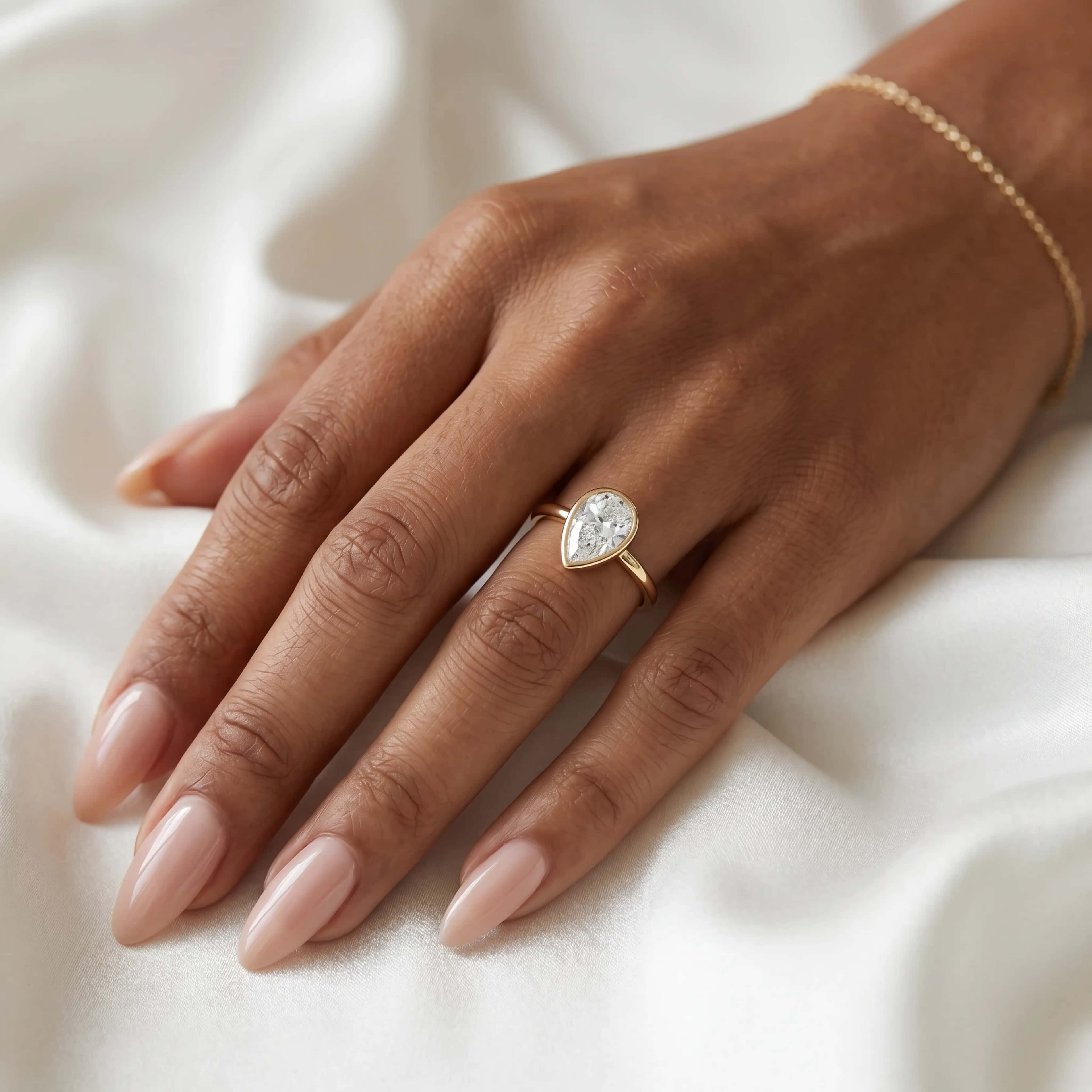
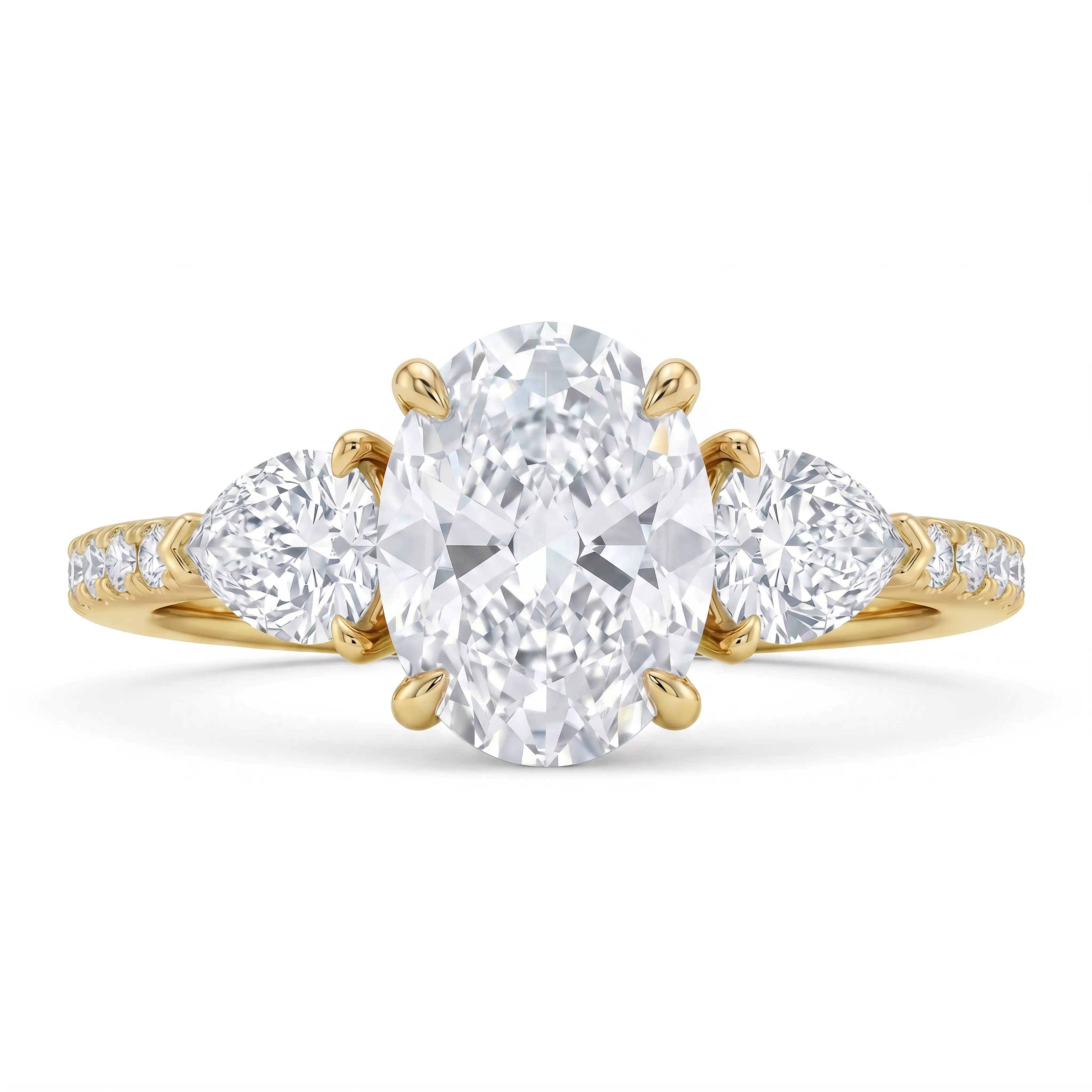
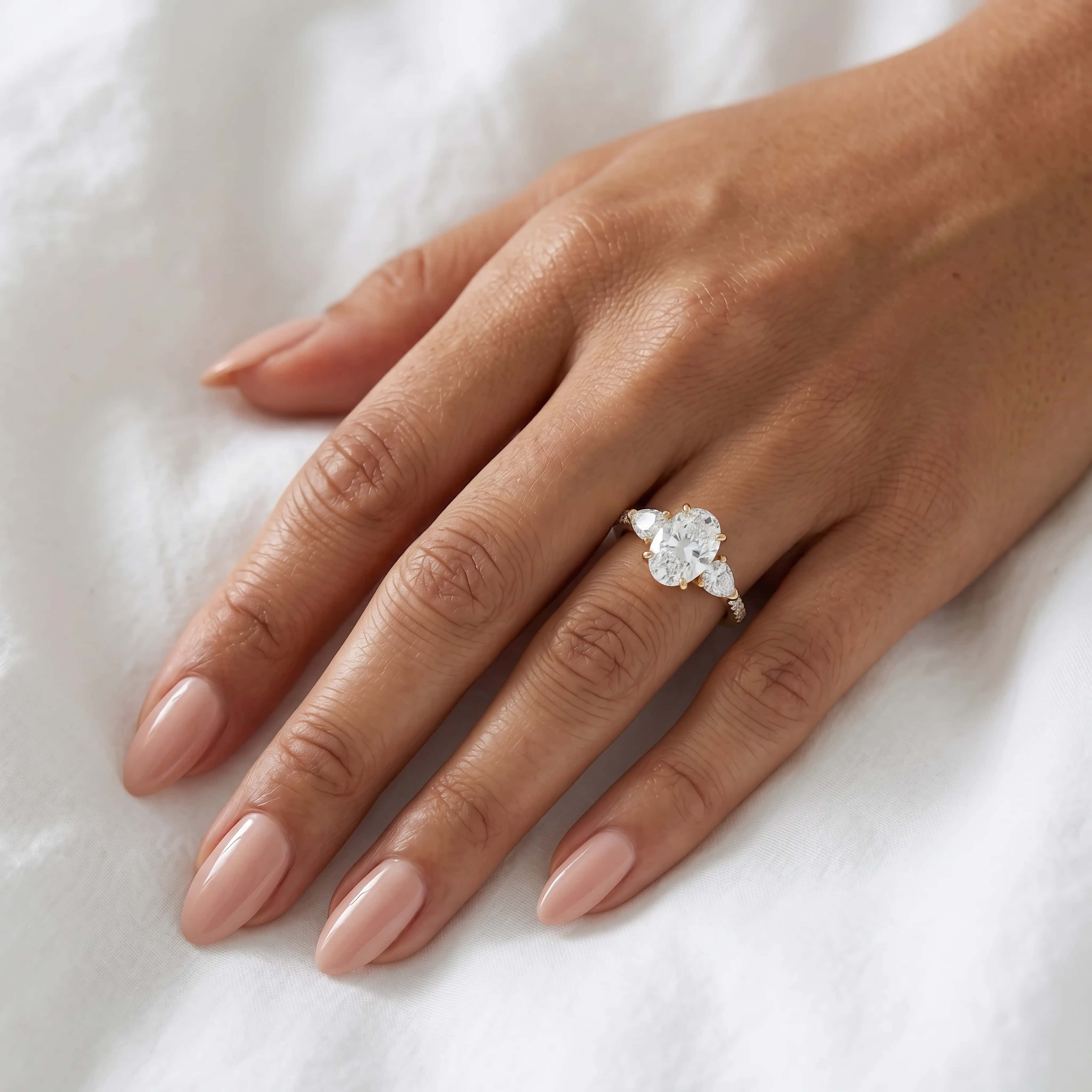
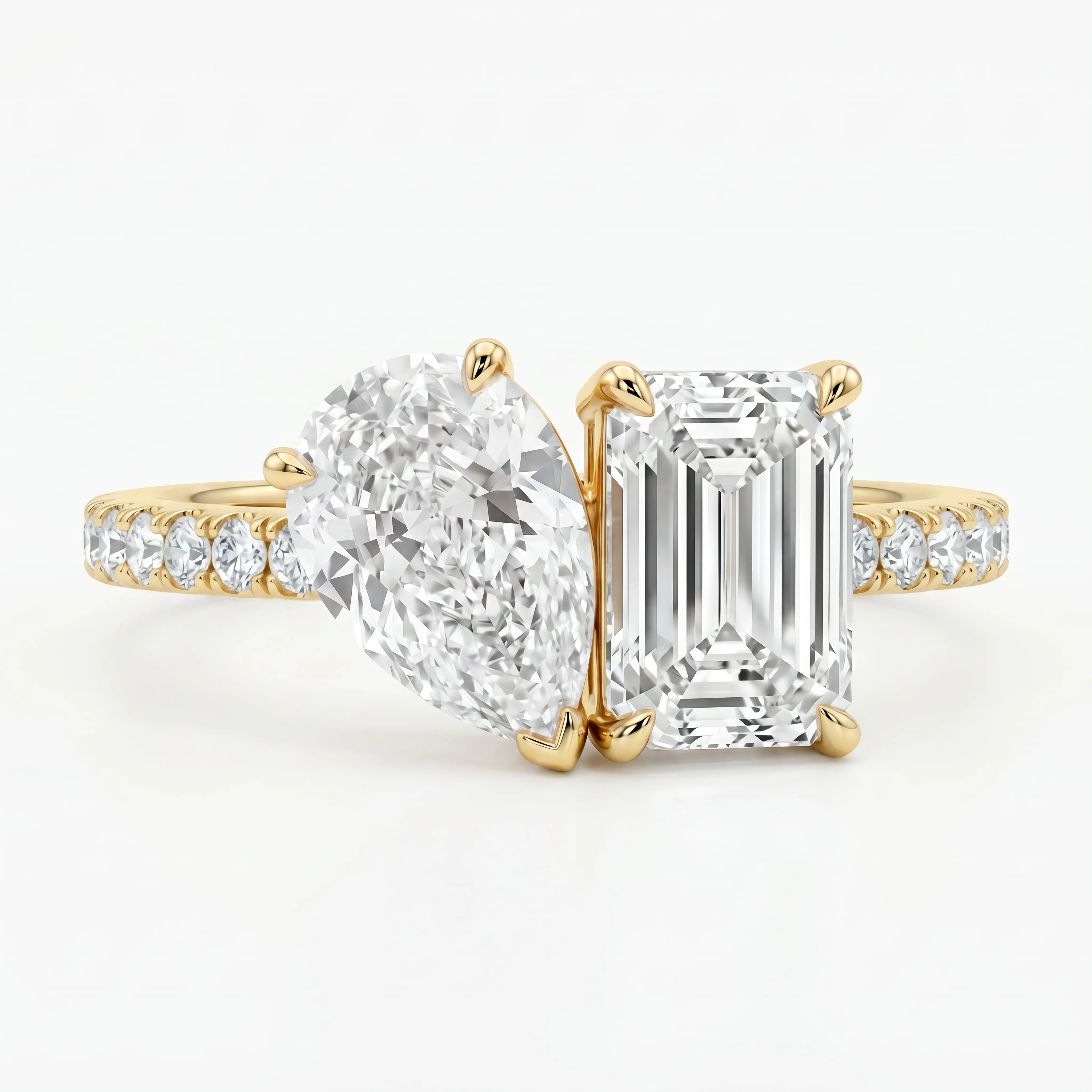
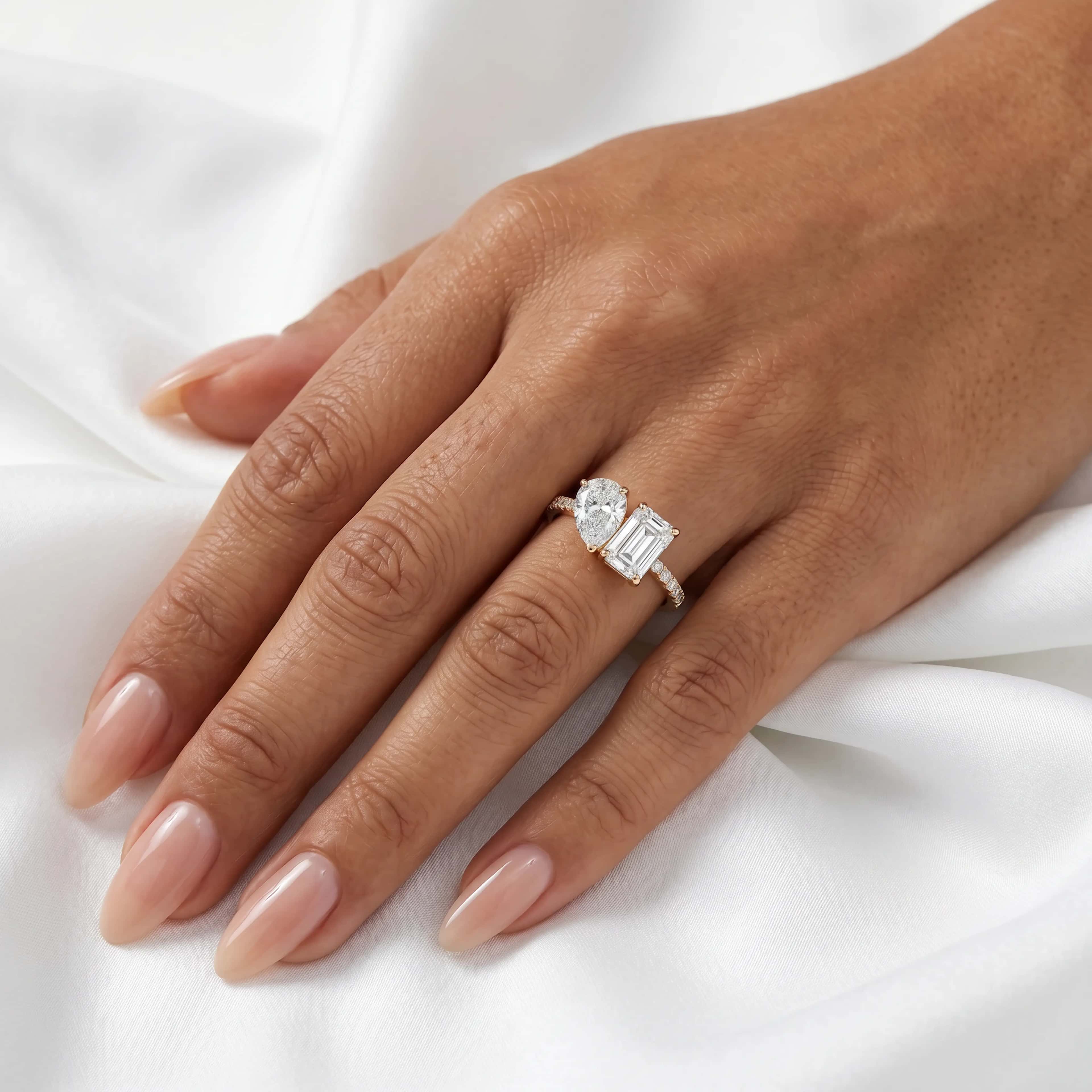
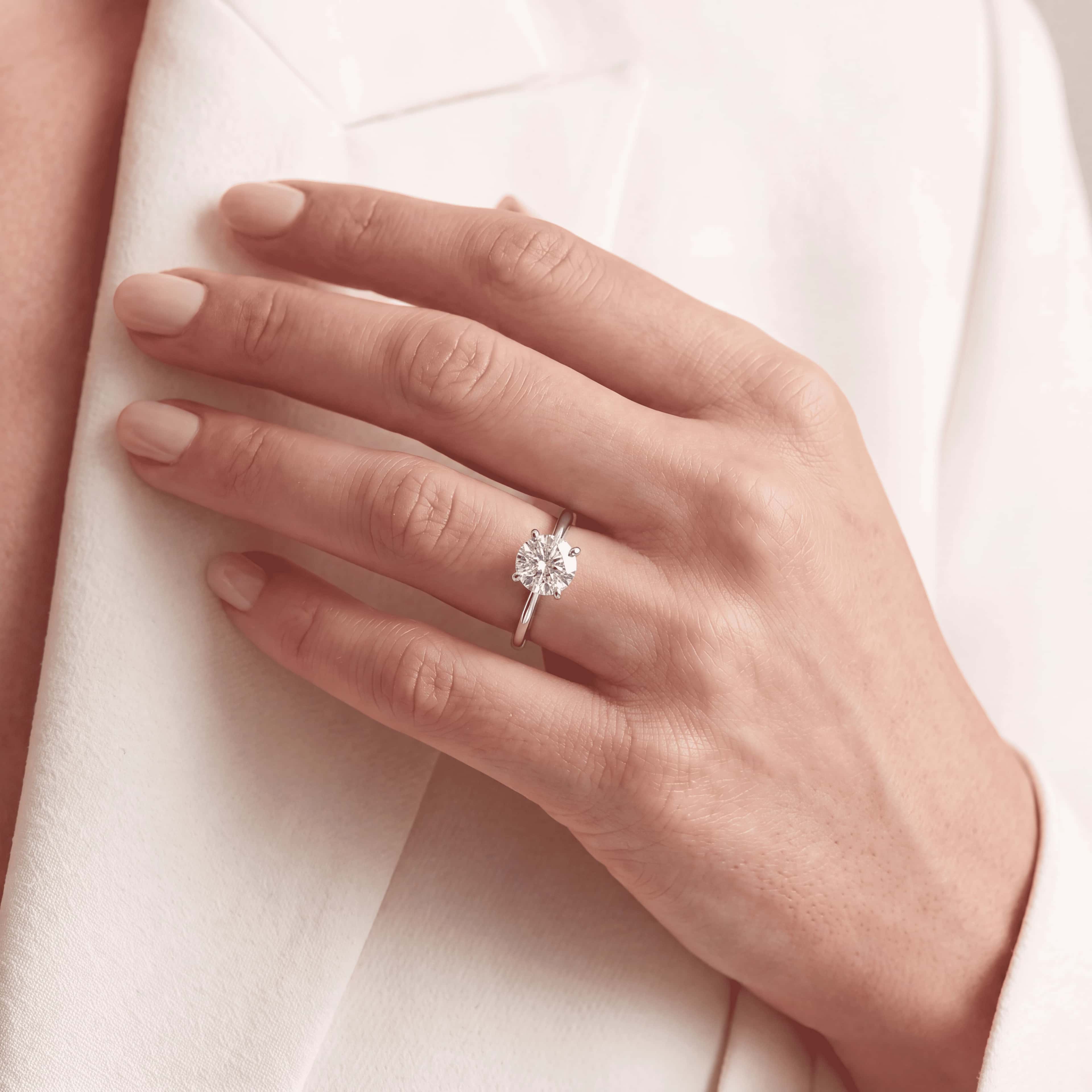
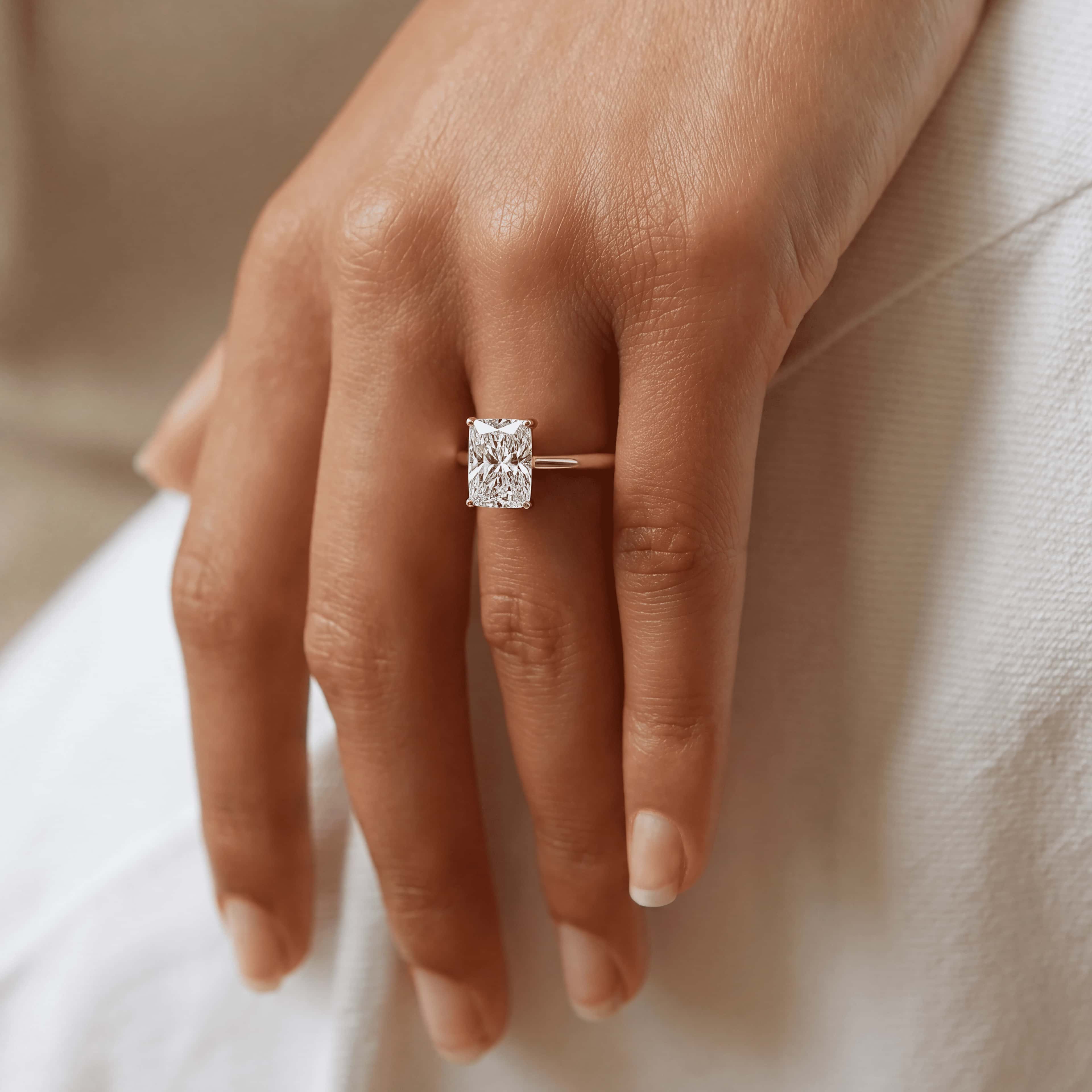
Lab-grown diamonds from the Lumen collection by MASAAT London.

Lab-Grown Diamonds Discover the Lumen Jewellery Collection

Lumen is Masaat London's collection of lab-grown diamond jewellery — modern rings, earrings, necklaces and bracelets, each set with an IGI-graded diamond so cut, colour, clarity and carat weight are documented rather than assumed. Browse by jewellery type, diamond shape, or design style, depending on what you have in mind.

Clear Diamond Quality Information

Every Lumen product page states the diamond's cut, colour, clarity and carat weight, so you know exactly what you're buying before you commit.

Independent Grading by IGI

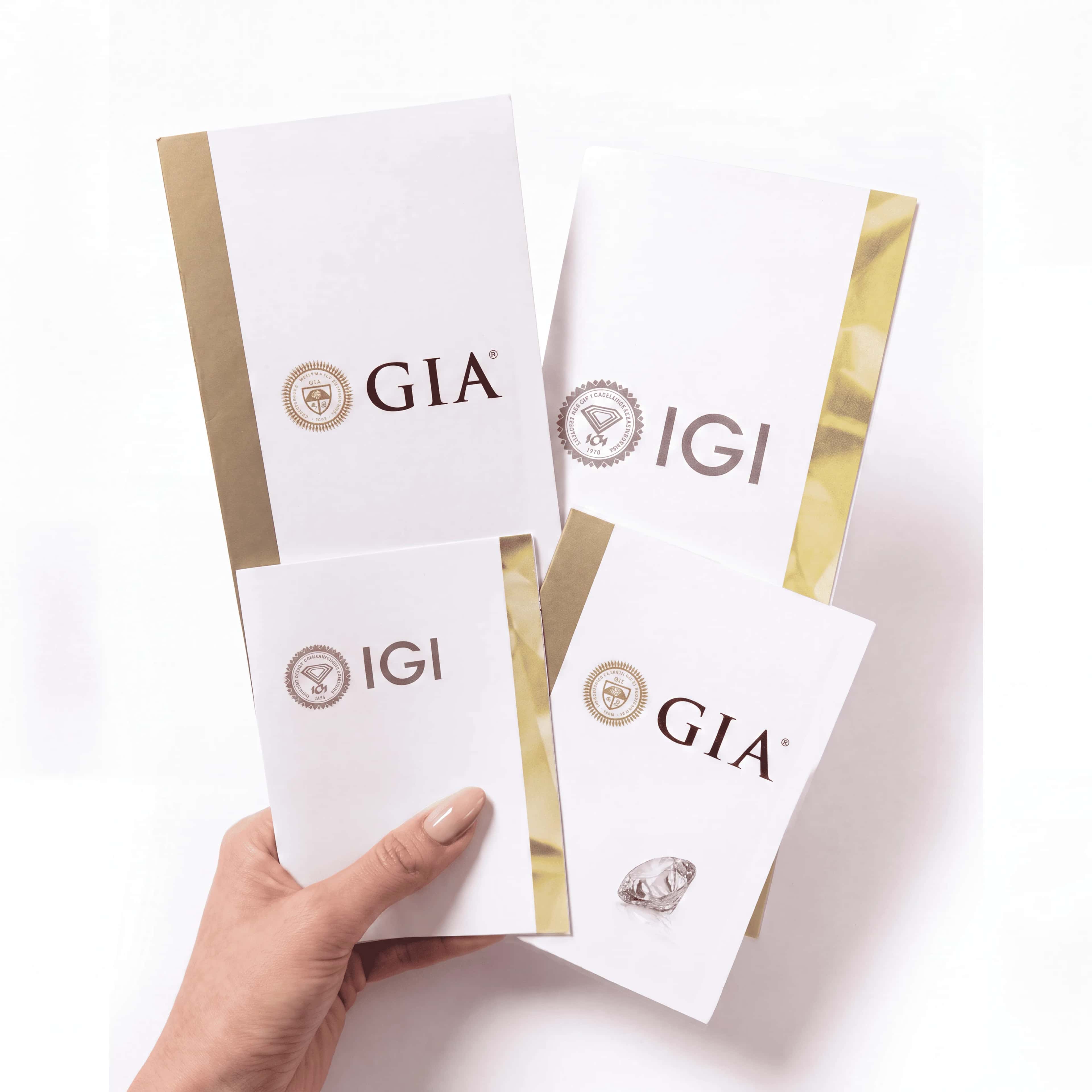
Lumen's lab-grown diamonds are independently graded by the International Gemological Institute (IGI), Masaat's certifying laboratory for this collection.

Product and Design Guidance

Masaat's team can help you choose a shape, setting and metal that suits your lifestyle, budget and personal style.

Bespoke and Consultation Support

Bespoke commissions run through a consultation, design, production and delivery process, typically completed within three to four weeks.

Shop Lab-Grown Diamond Jewellery

Lab-grown diamond rings
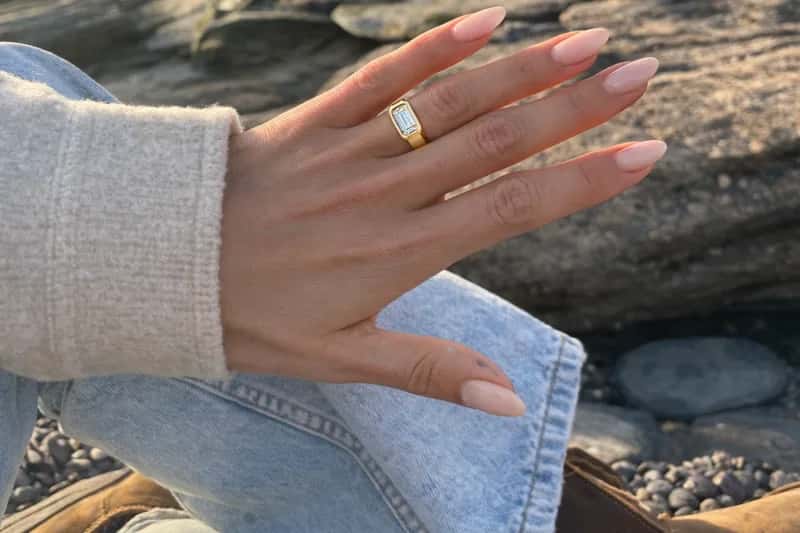
Lab-grown diamond ring on model

Rings

Solitaire, halo, pavé, trilogy and Toi et Moi styles in round, oval, emerald, pear and cushion lab-grown diamonds — in 18ct gold and platinum, with complimentary lifetime resizing.

Shop diamond rings
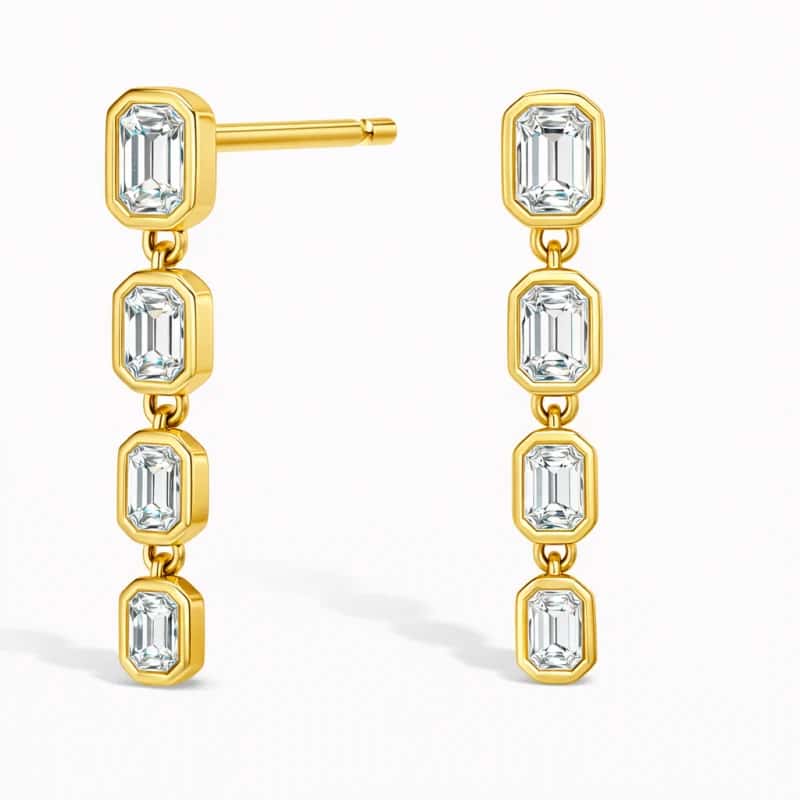
Lab-grown diamond earrings
Lab-grown diamond earrings on model

Earrings

Drop, huggie, halo and three-stone designs. Bezel-set styles sit low for daily wear, while halo styles add visual size around a smaller centre stone.

Discover diamond earrings
Lab-grown diamond necklaces
Lab-grown diamond necklace on model

Necklaces

Single-stone pendants, three- and five-stone designs, halo pendants and Toi et Moi styles pairing two diamond shapes side by side.

View diamond necklaces
Lab-grown diamond bracelets
Lab-grown diamond bracelet on model

Bracelets

Tennis bracelets, bangles and bezel-set paperclip-chain designs, in round, emerald and mixed diamond-shape layouts, with coverage varying by design.

Explore diamond bracelets

Explore Lab-Grown Diamonds by Shape

Diamond shape has a bigger effect on how a stone looks day-to-day than almost any other decision. Round diamonds return the most light for their size, oval diamonds create an elongated look on the hand, and step-cut shapes like emerald show off clarity rather than sparkle.

Round
Round

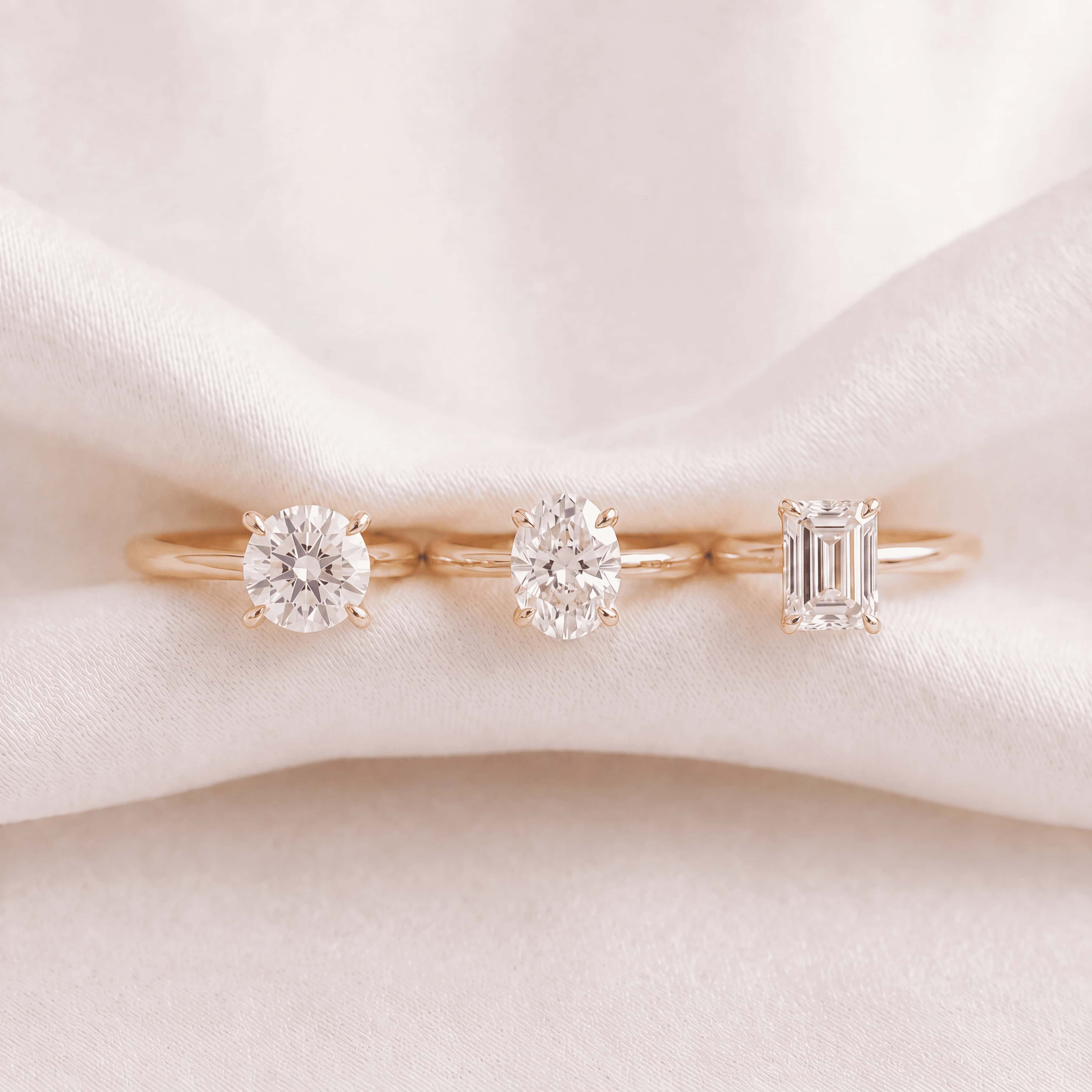
Round brilliant diamonds are cut to maximise light return — the most versatile choice across solitaire, halo and pavé settings.

Oval
Oval

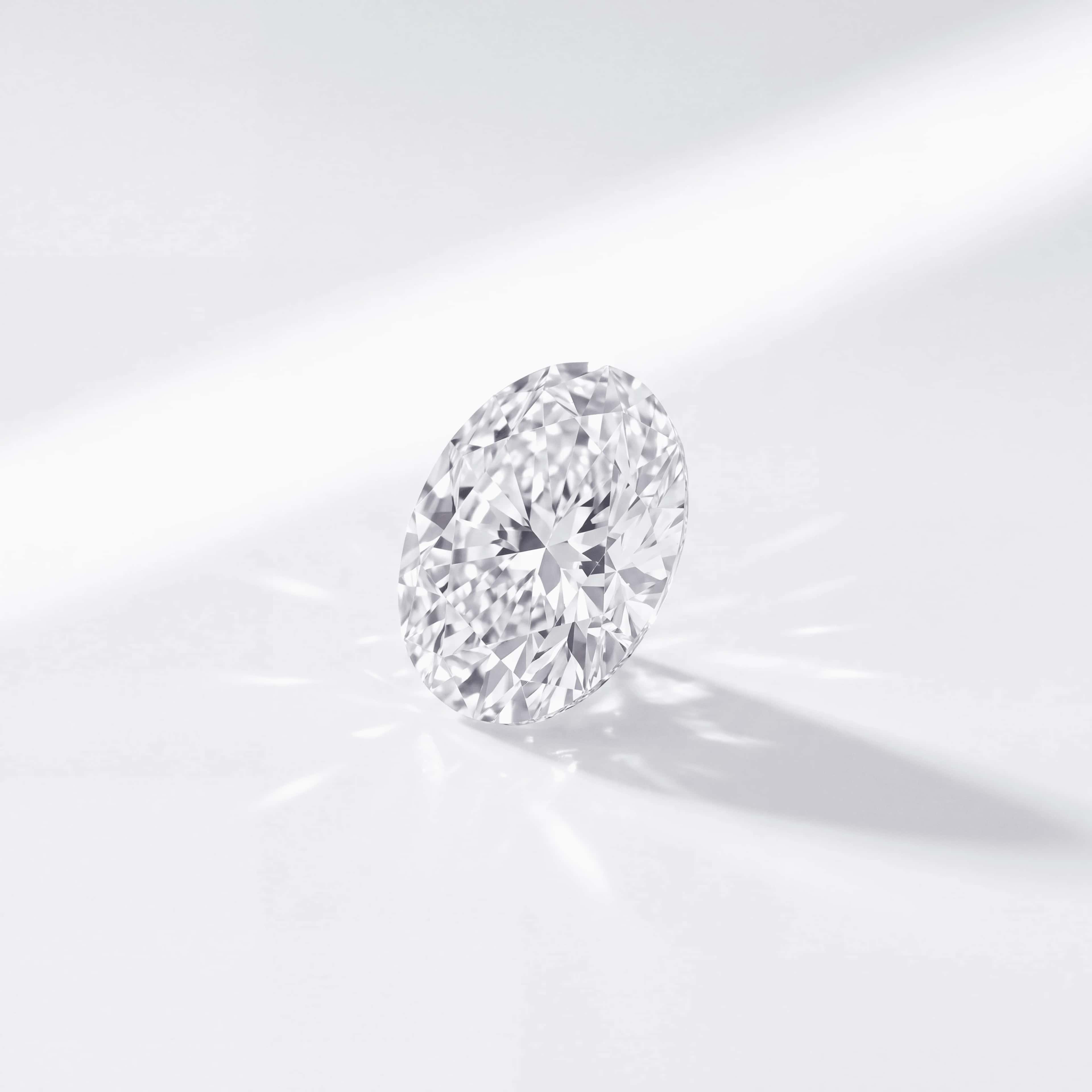
Oval diamonds keep that brilliance in a longer silhouette that can look larger for its carat weight.

Emerald
Emerald

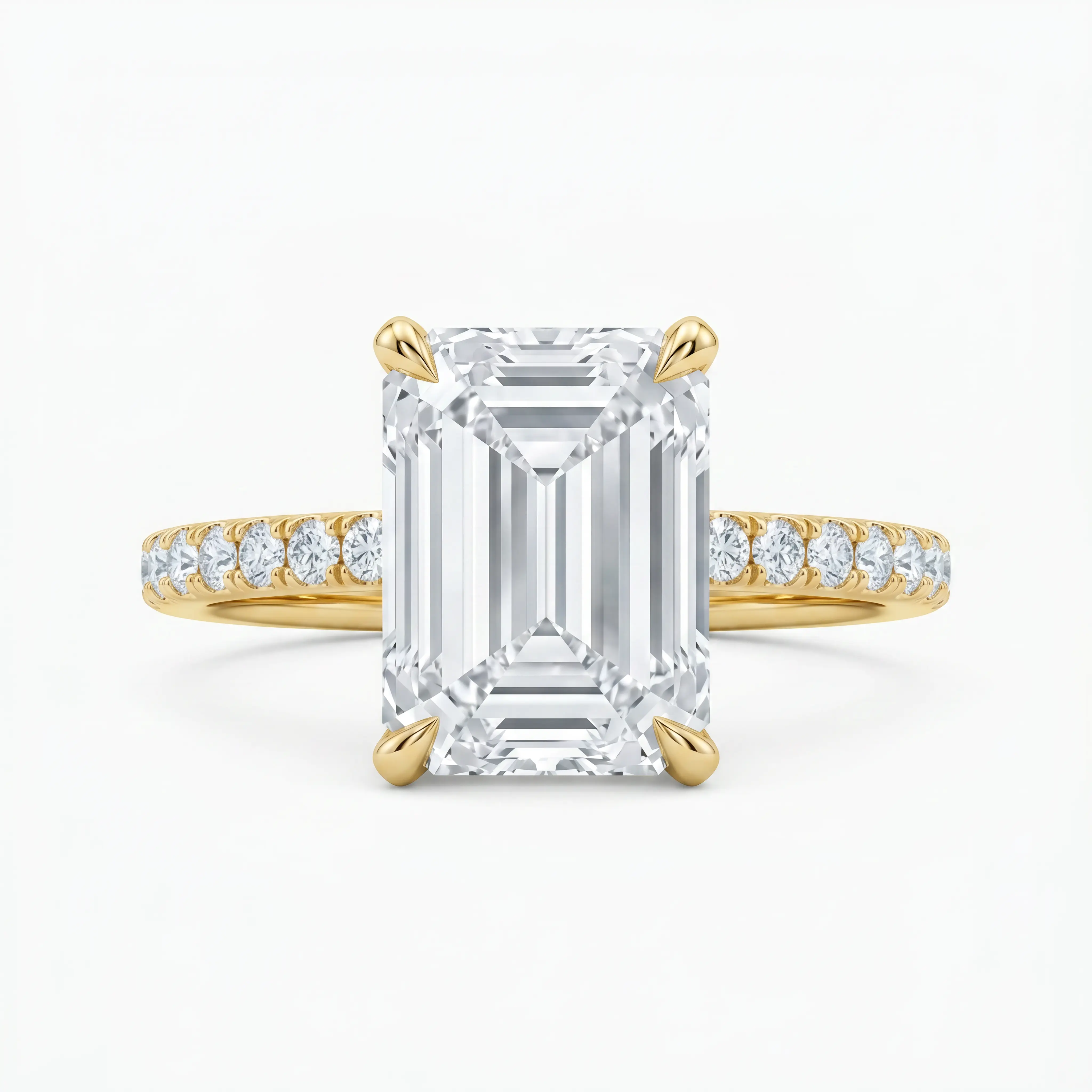
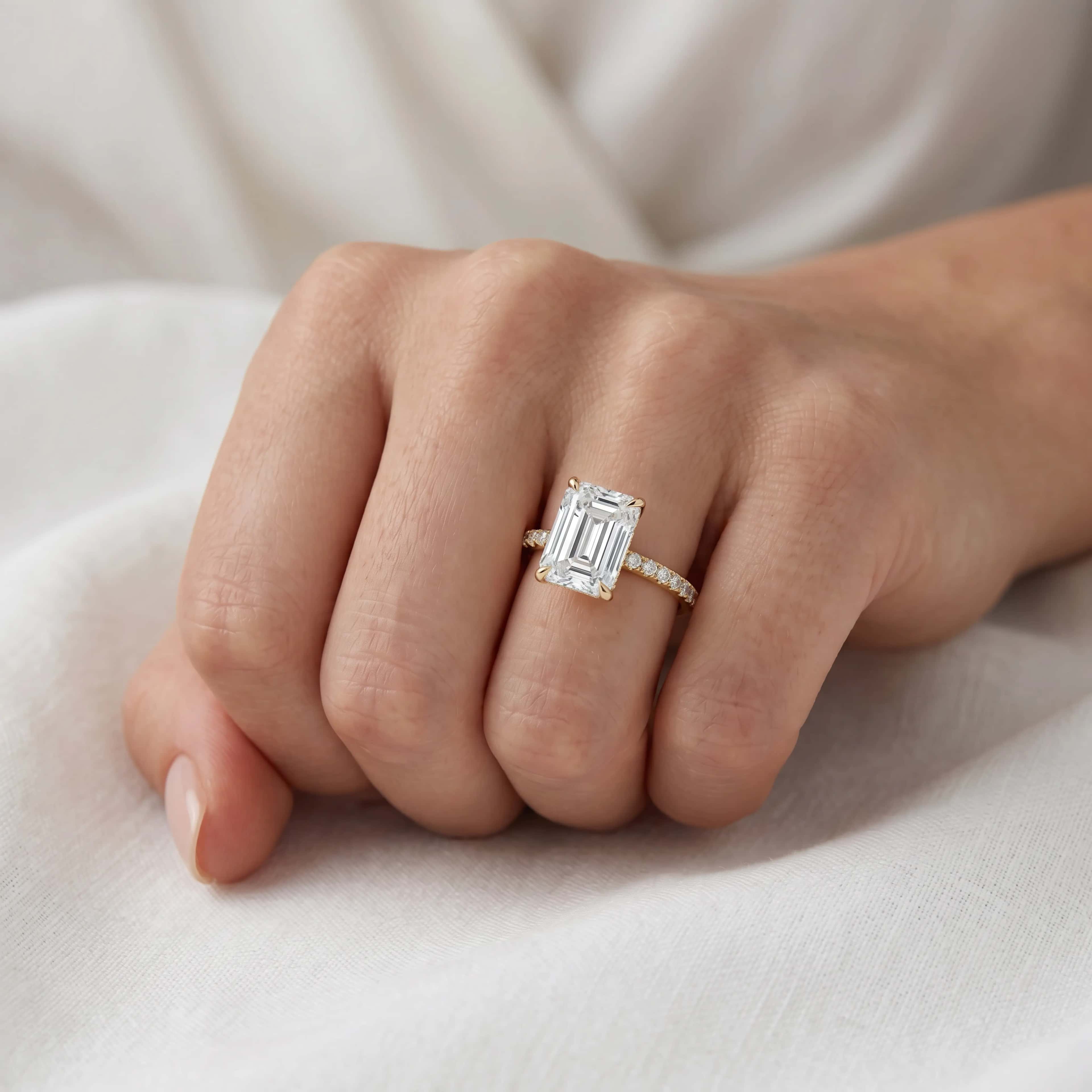
Emerald-cut diamonds are step-cut, with clean rectangular facets and an architectural look that showcases clarity.

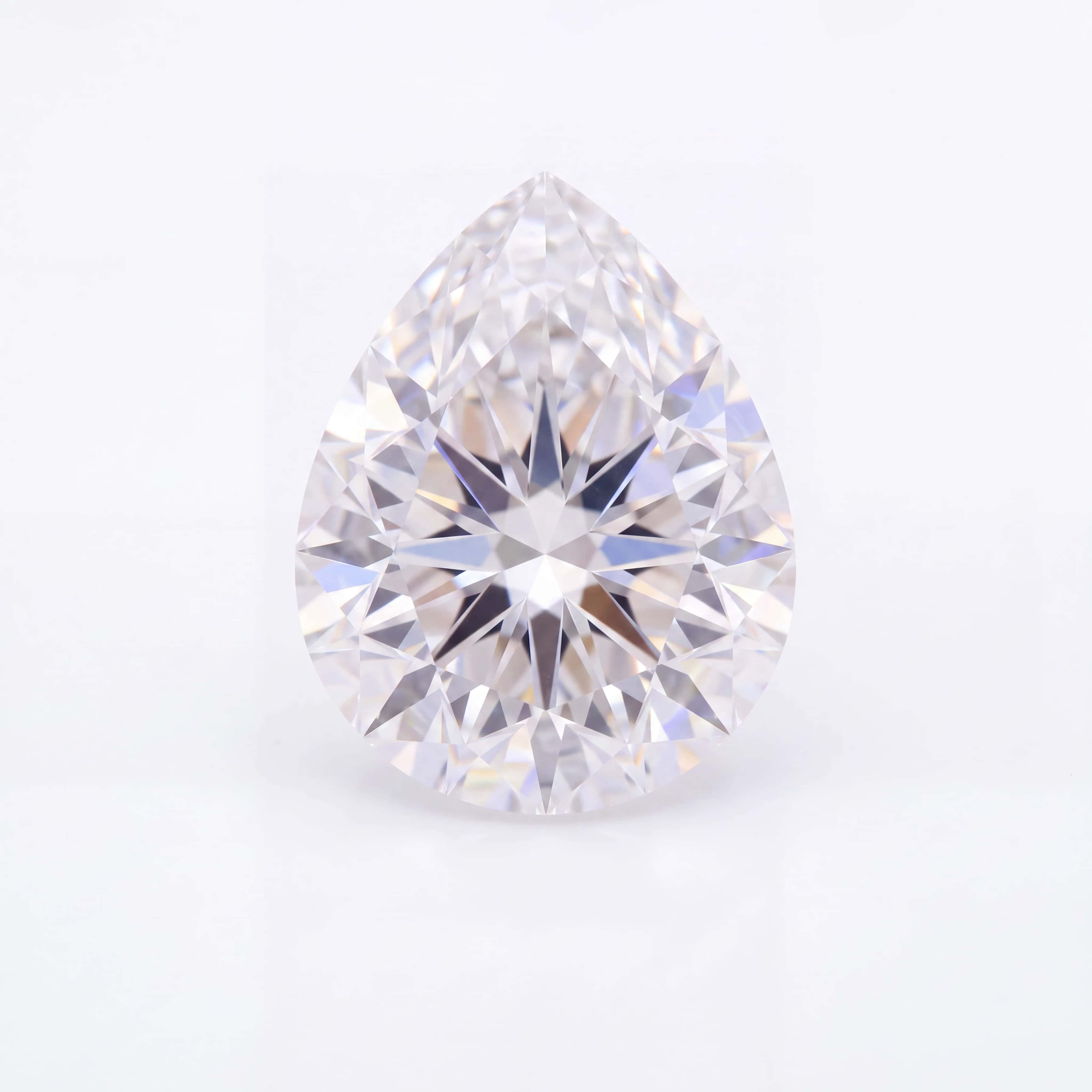
Pear
Pear

Pear-shaped diamonds pair a rounded end with a single point, set in protective claw or bezel mounts.

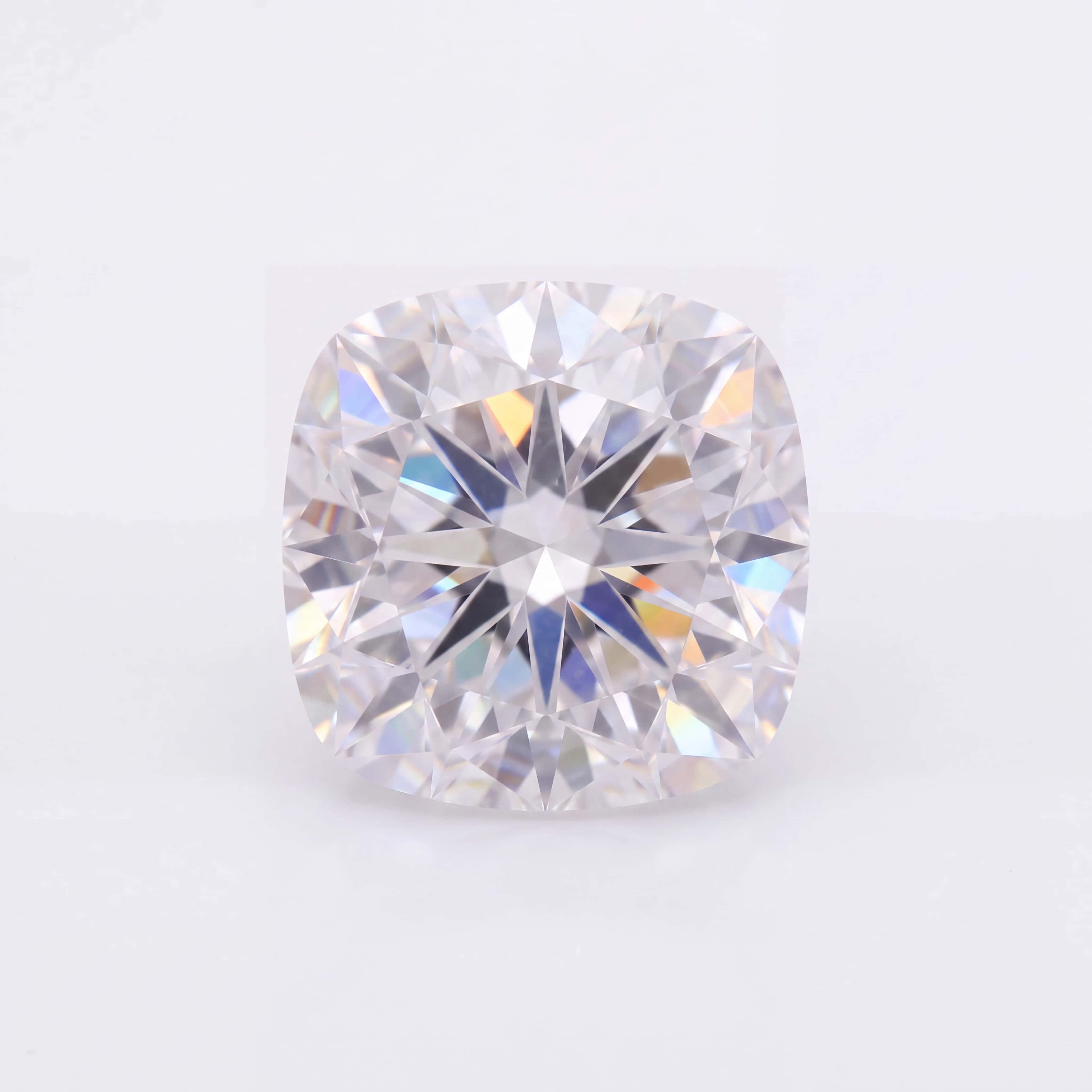
Cushion
Cushion

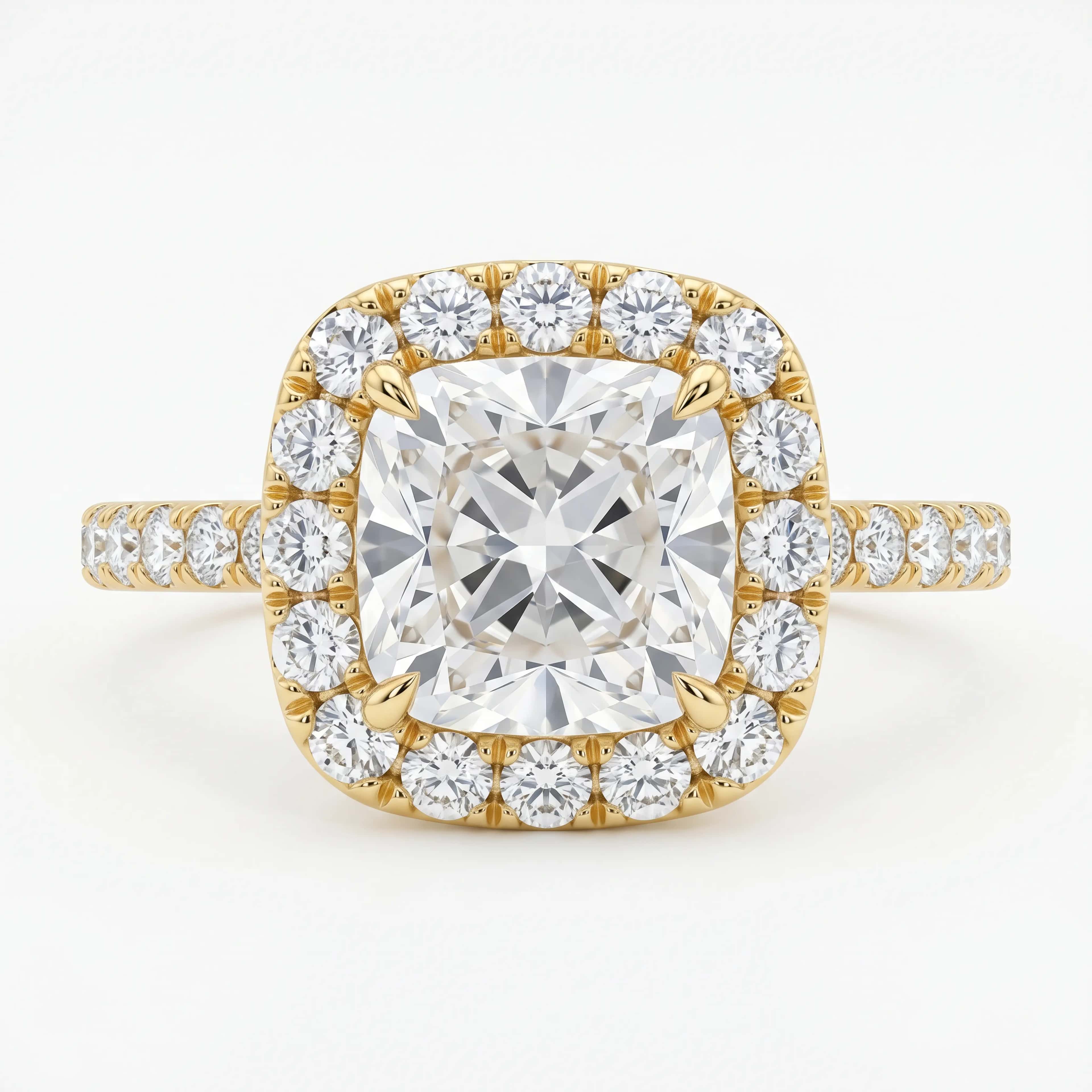
Cushion cuts soften a square outline into rounded corners, suiting both halo and solitaire settings.

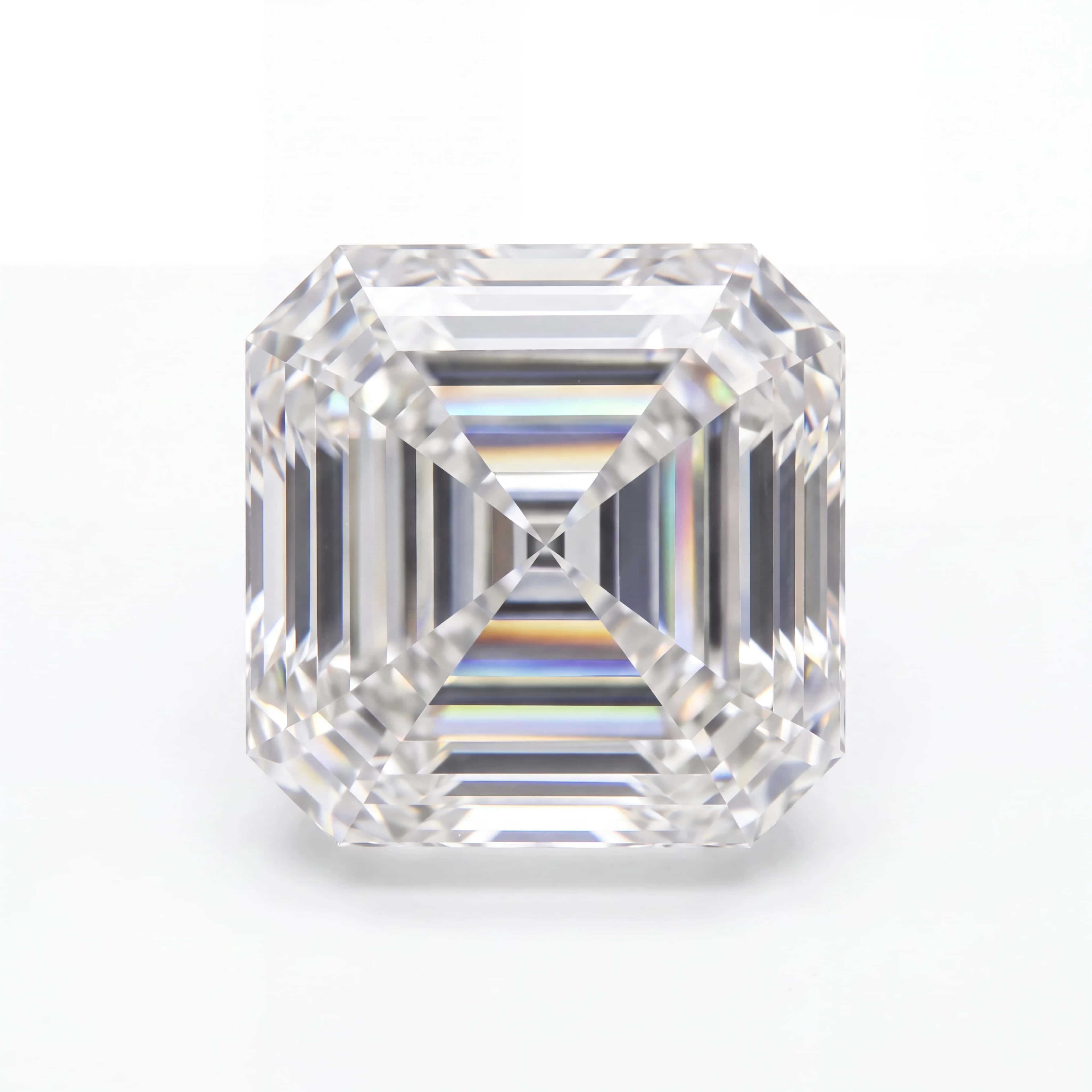
Asscher
Asscher

Asscher cuts are square step cuts with cropped corners, giving a deep, mirrored look that rewards higher clarity grades.

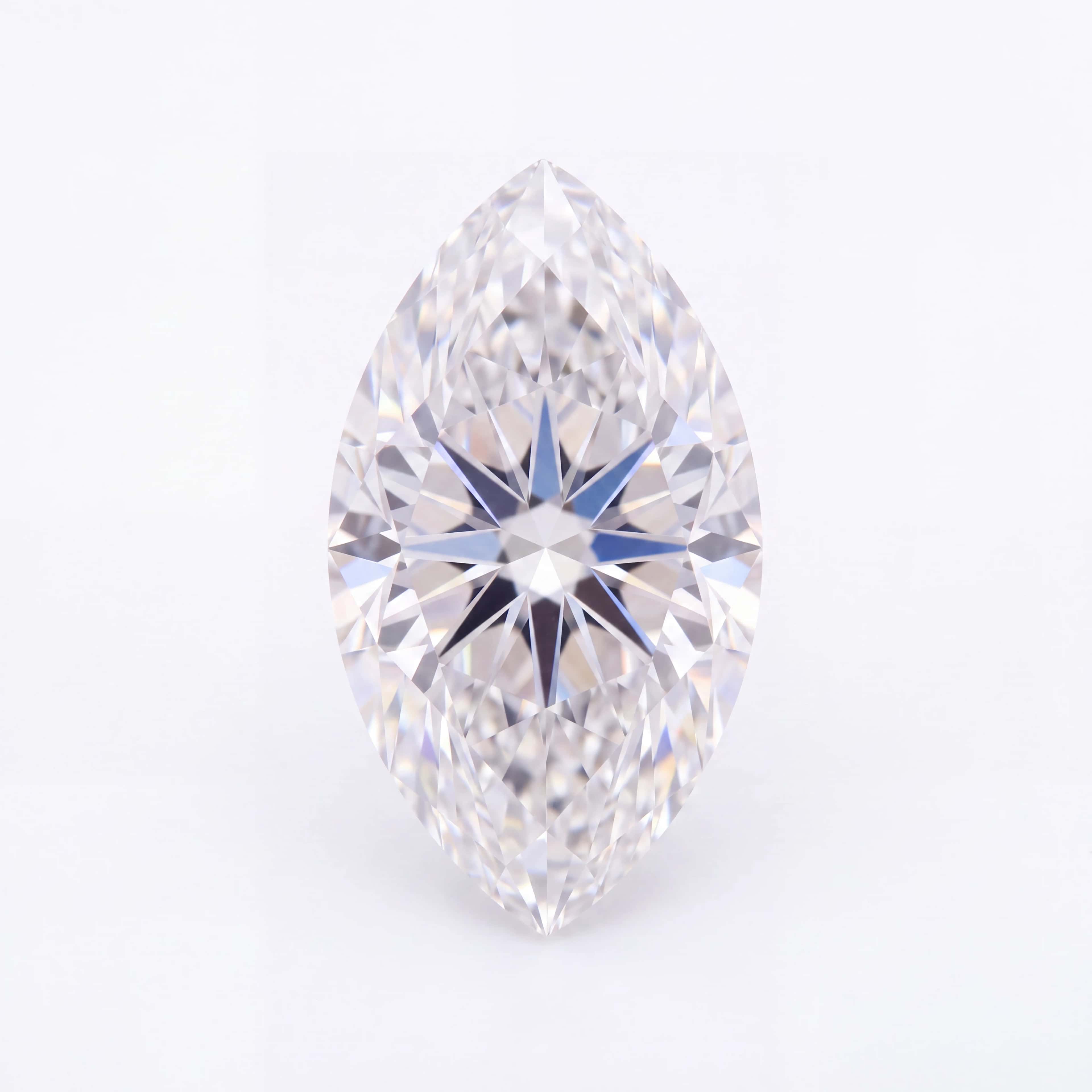
Marquise
Marquise

Marquise diamonds taper to a point at both ends, covering more of the finger than a round stone of the same weight.

Heart
Heart

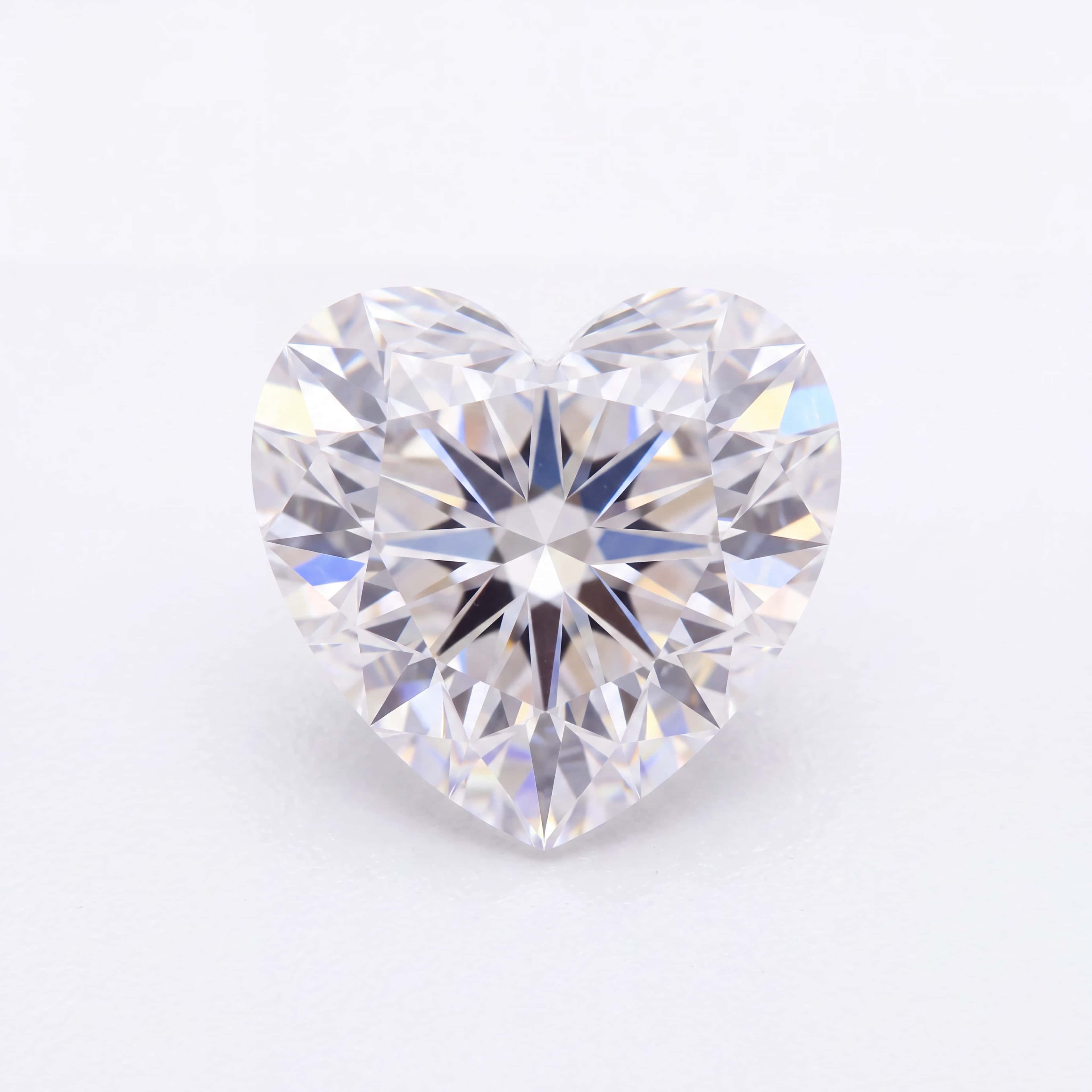
Heart-shaped diamonds are brilliant-cut for sparkle, and depend on precise symmetry to read cleanly at a glance.

Shop Lumen Jewellery by Style

Beyond jewellery type and diamond shape, Lumen is organised around design style — how much presence a piece has and how it sits day-to-day. Solitaire and bezel-set designs are the most understated, halo styles add visual size, and trilogy or Toi et Moi pieces bring a more distinctive, personal story.

Solitaire
Solitaire model
Solitaire

A single diamond held in a claw or bezel setting, with minimal detailing that puts all focus on the stone.

Halo
Halo model
Halo

Smaller stones surround the centre diamond to increase its visual size and add sparkle.

Bezel
Bezel model
Bezel

A fine metal edge wraps the stone for a lower, protective, everyday-friendly profile.

Trilogy
Trilogy model
Trilogy

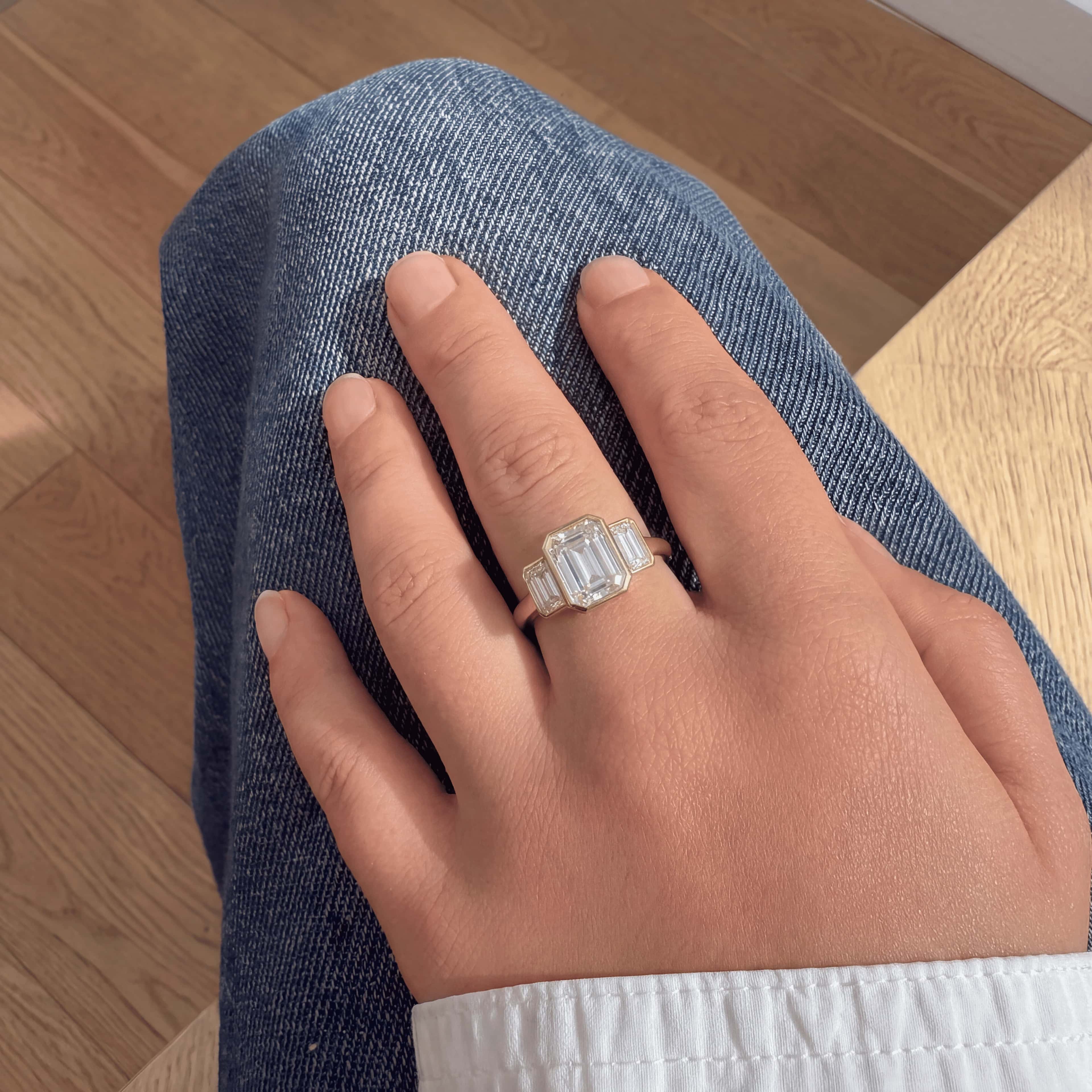
Three stones side by side — often a larger centre diamond flanked by two smaller ones.

Toi-et Moi
Toi-et Moi model
Toi-et Moi

Two diamonds set side by side, matched or contrasting — one of Lumen's most distinctive signatures.

Round brilliant lab-grown diamond solitaire worn on the hand

Why Choose Lab-Grown Diamonds?

Lab-grown diamonds are diamonds in every sense that matters to a gemmologist: the same carbon crystal structure and the same chemical, physical and optical properties as diamonds formed underground, graded using the same cut, colour, clarity and carat scale. The difference is where and how they're formed — grown in a controlled facility using High Pressure High Temperature (HPHT) or Chemical Vapour Deposition (CVD) methods, rather than over billions of years beneath the Earth's crust.

For most buyers, the appeal is straightforward. A lab-grown diamond of a given size, cut and clarity typically costs less than a comparable natural diamond, so your budget can go further on carat weight, quality, or setting. IGI independently grades every Lumen diamond, so the specifications on each product page are backed by a certificate, not a sales description.

Lab-grown diamonds suit engagement rings, gifts and everyday fine jewellery equally well. They're not treated as investment assets, and their resale market differs from natural diamonds — worth weighing alongside price and design, rather than assuming either option is automatically superior.

For more detail on grading and certification, see Masaat's FAQ.

Loose oval-cut lab-grown diamond on a pale surface

Understanding Lab-Grown Diamonds

Two questions come up more than any other when people are new to lab-grown diamonds: what they actually are, and whether they count as "real" diamonds. The short version is that a lab-grown diamond is a diamond, grown rather than mined, and graded to the same standard as any other.

Round, oval and emerald-cut lab-grown diamond solitaires in rose gold on silk

What Are Lab-Grown Diamonds?

A lab-grown diamond is grown inside a controlled facility, using conditions that replicate how natural diamonds form under heat and pressure, or by building up carbon layer by layer. The resulting stone has the same crystal structure as a natural diamond — separating it from a simulant like cubic zirconia or moissanite, which are different materials entirely. Each stone is then cut, polished and graded using the same criteria applied to natural diamonds.

High Pressure High Temperature (HPHT) growth recreates the conditions under which natural diamonds form, while Chemical Vapour Deposition (CVD) builds a diamond up from carbon-rich gas, layer by layer. Both produce genuine diamond material, not an imitation. Browse graded engagement ring options to see this in practice.

IGI and GIA diamond grading reports held in hand

Are Lab-Grown Diamonds Real?

Yes — a lab-grown diamond is a real diamond, not an imitation. It shares a natural diamond's crystal structure, hardness and chemical composition, which is why labs like IGI grade both on the same scale. It shouldn't be confused with cubic zirconia or moissanite, which are chemically different materials.

Appearance still varies stone to stone, since cut, colour, clarity and proportions all affect how a diamond looks — an individual diamond's grading matters more than its origin.

Emerald-cut lab-grown diamond trilogy ring in yellow gold worn on the hand

Lab-Grown vs Natural Diamonds

Choosing between a lab-grown and a natural diamond usually comes down to priorities rather than one option being objectively better. Masaat offers both lab-grown diamonds through Lumen and natural diamonds through the Heirloom collection.

Radiant-cut lab-grown diamond solitaire worn on the hand

Origin and Rarity — Natural diamonds form deep within the Earth over geological timescales, making each stone the product of specific, non-repeatable conditions. Lab-grown diamonds are produced in controlled facilities using HPHT or CVD methods, so supply isn't limited by mining in the same way.

Appearance and Quality — Both categories are graded on the same cut, colour, clarity and carat scale, and quality varies between individual stones rather than between the categories themselves. A well-graded diamond of either type will look extremely similar to the eye.

Price and Long-Term Value — Lab-grown diamonds typically cost less than natural diamonds of comparable size and quality, often meaning more carat weight for the same budget. Resale markets differ between the two, and neither should be treated as a guaranteed investment.

Sustainability and Sourcing — Environmental impact depends on the specific production method, energy source and supply chain involved. Masaat doesn't make blanket sustainability claims for either category without stone-specific evidence.

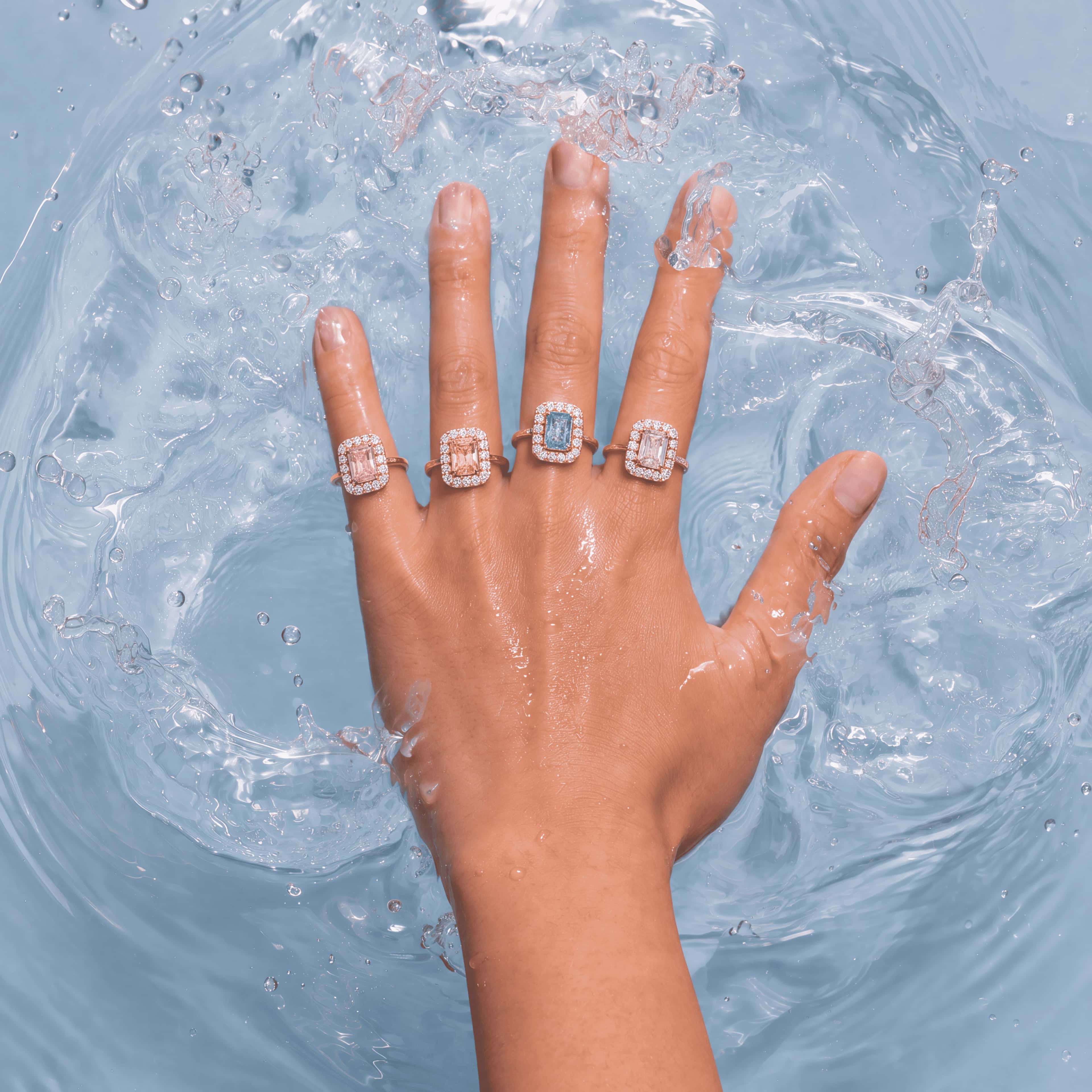
Coloured gemstone halo rings worn on a hand resting in water

Lumen Education Centre

Guides covering certification, grading, and how lab-grown diamonds compare with natural stones — so you can choose with confidence.

Lab-Grown vs Natural Diamonds: What You Need To Know

Lab-Grown vs Natural Diamonds: What You Need To Know

Picking an engagement ring has always carried a certain weight to it, not just financially, but emotionally. For a growing number of people, exploring a lab-grown diamond option alongside natural diamonds has become a natural part of that conversation.

READ MORE›
The Complete Guide to Lab-Grown Diamond Engagement Rings

The Complete Guide to Lab-Grown Diamond Engagement Rings

Choosing an engagement ring is one of the most meaningful purchases many people will ever make. Beyond its beauty, an engagement ring symbolises commitment, love, and the beginning of a new chapter together. While the sentiment behind the ring remains timeless, the way couples approach the buying process has evolved considerably.

READ MORE›

Frequently Asked Questions

Yes. Lab-grown diamonds share a natural diamond's carbon crystal structure, hardness and chemical composition, and are graded on the same cut, colour, clarity and carat scale. They're not the same as simulants like cubic zirconia or moissanite. The main difference is origin: one forms underground, the other in a controlled facility.

Using one of two methods. High Pressure High Temperature (HPHT) recreates the heat and pressure found underground, while Chemical Vapour Deposition (CVD) builds a diamond layer by layer from carbon-rich gas. Both produce a genuine diamond crystal structure, not an imitation stone.

Yes. Every lab-grown diamond in the Lumen collection is independently graded by the International Gemological Institute (IGI), documenting cut, colour, clarity and carat weight — a verified specification for your exact stone, not a general description.

Mainly origin and rarity. Natural diamonds form underground over geological timescales; lab-grown diamonds are produced in controlled facilities. Both use the same quality scale, and price is usually the most noticeable practical difference.

Generally, yes. A lab-grown diamond typically costs less than a natural diamond of the same size, cut and clarity, which often means more budget for carat weight or setting detail. Exact pricing varies by stone, so compare specific products rather than a fixed percentage.

Yes. They're commonly chosen for engagement rings and available across Lumen's solitaire, halo, trilogy and Toi et Moi styles. Suitability comes down to the diamond's grading and setting, rather than its origin.

Yes. They share a natural diamond's hardness and resist everyday wear well. They're not indestructible, and settings can loosen over time, so periodic professional inspection is worthwhile, particularly for halo and pavé designs.

This varies, and it's worth being cautious. Resale markets for lab-grown diamonds differ from natural diamonds, and neither should be treated as a guaranteed investment. If value retention matters to you, discuss your options with Masaat's team.

Impact depends on the specific production method, energy source and supply chain, for both lab-grown and natural diamonds. Masaat avoids blanket sustainability claims and would rather point you to the facts of a given stone.

It comes down to personal style, setting and wear. Round and oval diamonds offer strong brilliance and flexibility; emerald and asscher cuts show off clarity through a cleaner outline. Pear and marquise shapes need protective settings for their points.

Through cut, colour, clarity and carat weight, all documented on each product's IGI grading. Cut affects brilliance most, while colour and clarity are more noticeable in larger or step-cut stones — weigh all four against your budget.

Store pieces separately to avoid scratching, and remove jewellery before high-impact activities. Masaat doesn't offer in-house cleaning, but local jewellers can professionally polish a piece, and periodic setting checks are worthwhile for halo and pavé styles.

Compare Your Options With a Jewellery Specialist

Whether you're browsing rings, earrings, necklaces or bracelets, comparing lab-grown and natural diamonds, or starting a bespoke commission, our team is available for a consultation by phone, Zoom, or in person.