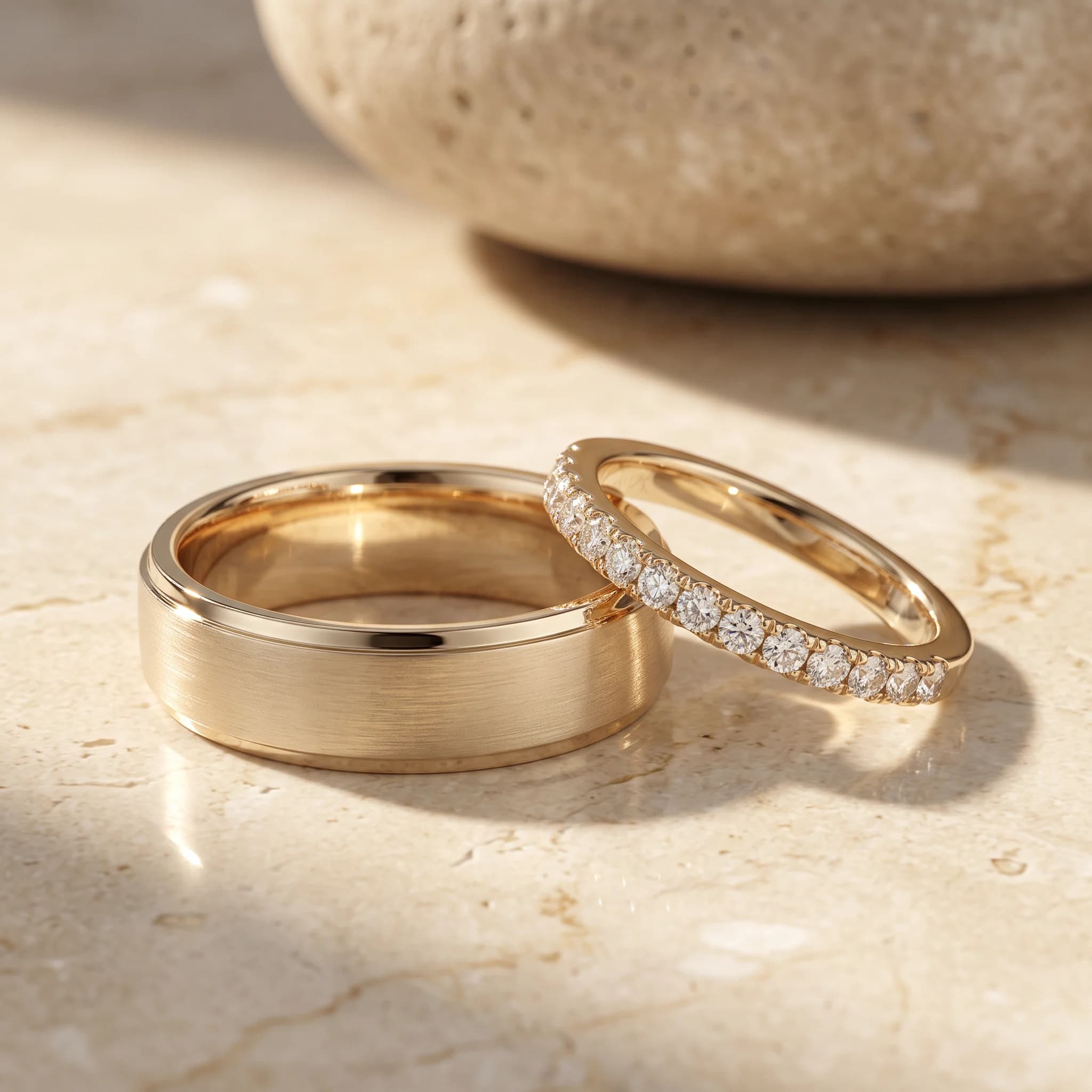
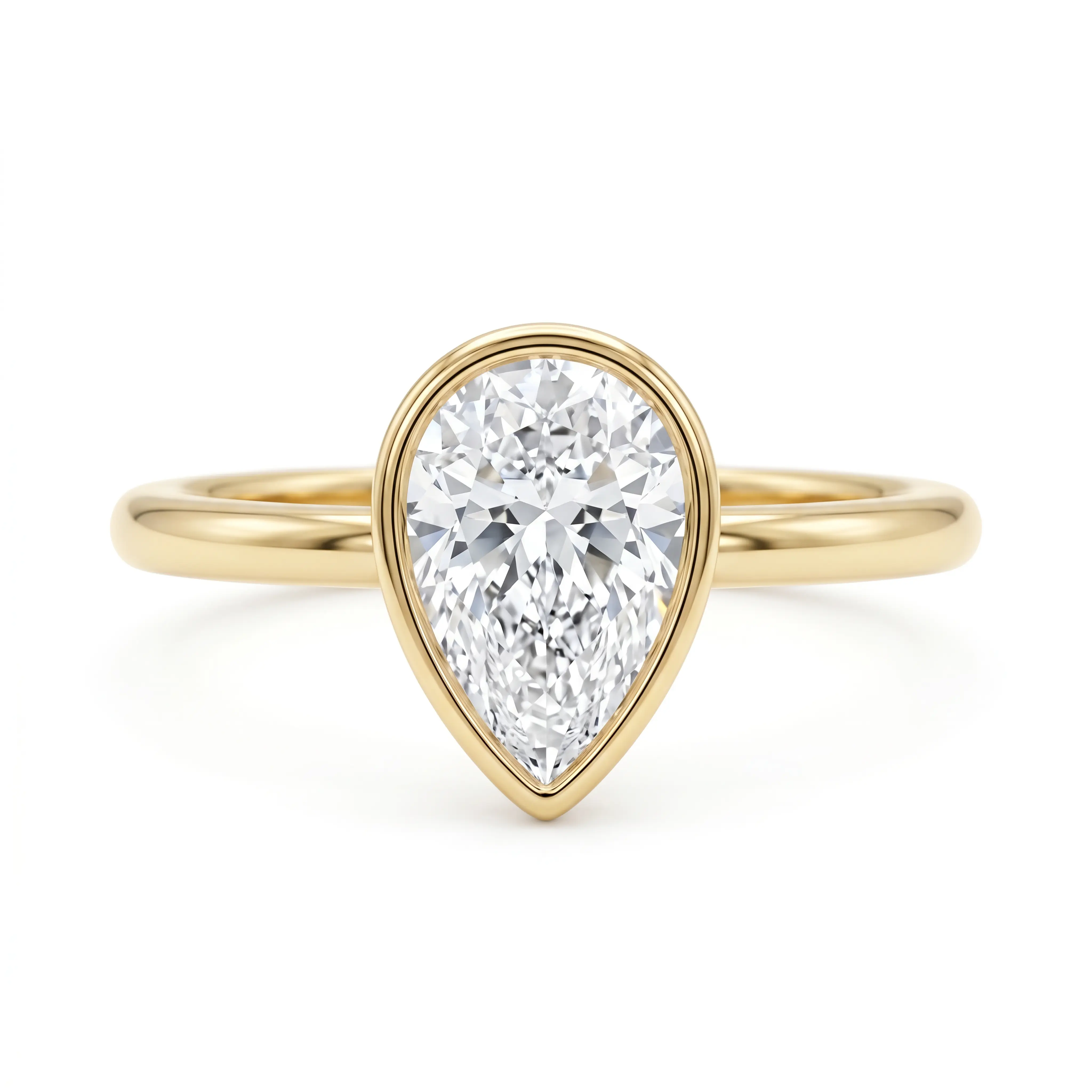
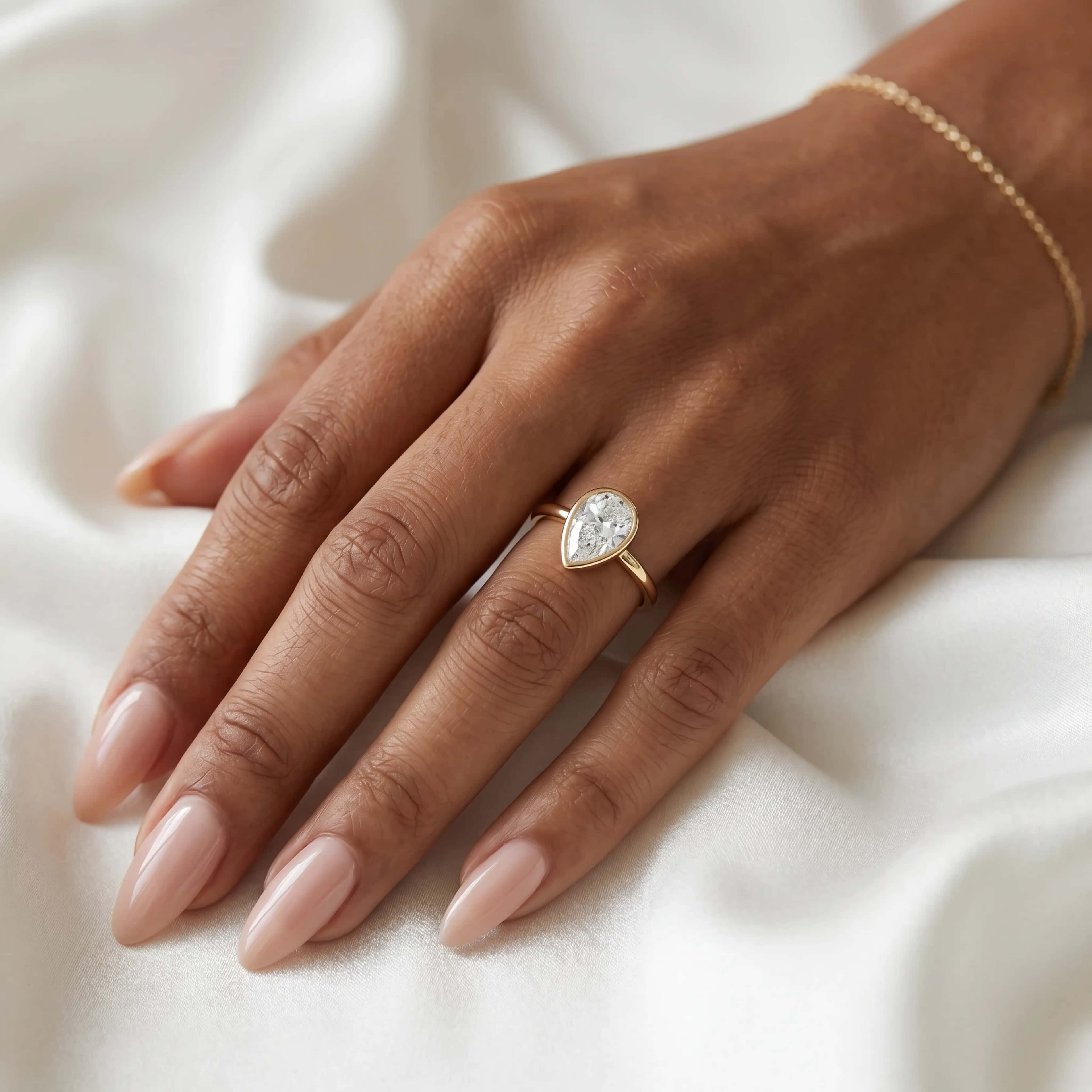
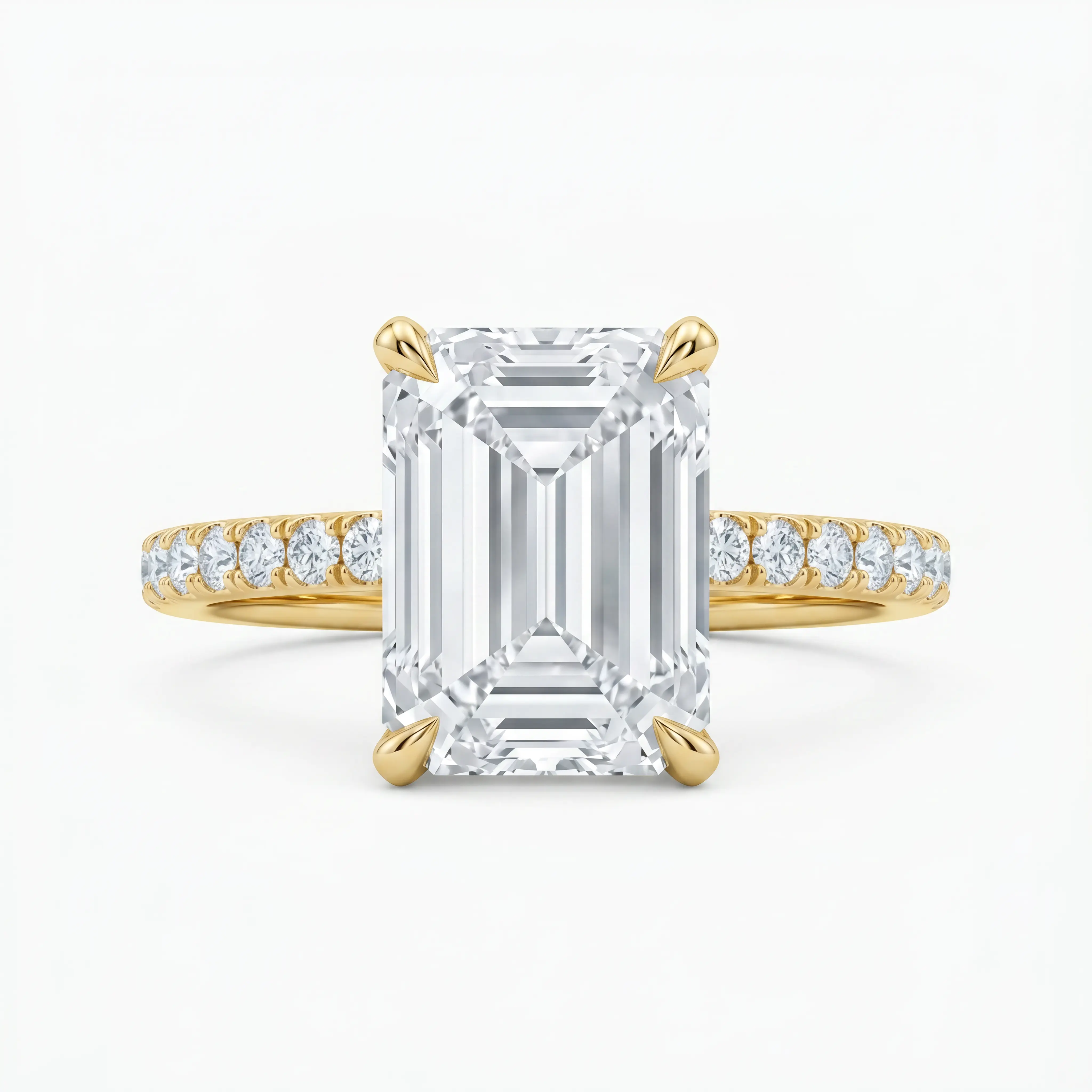
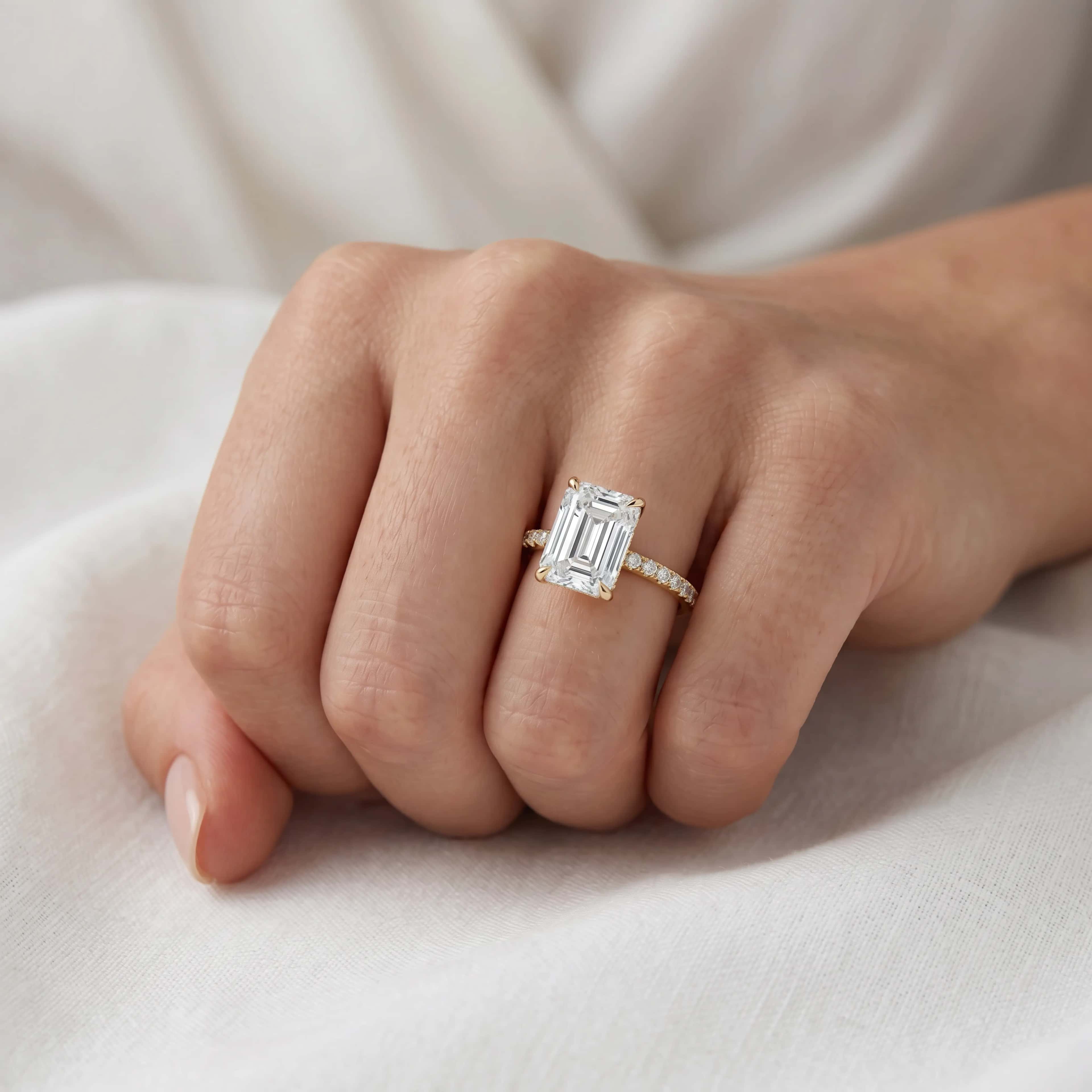
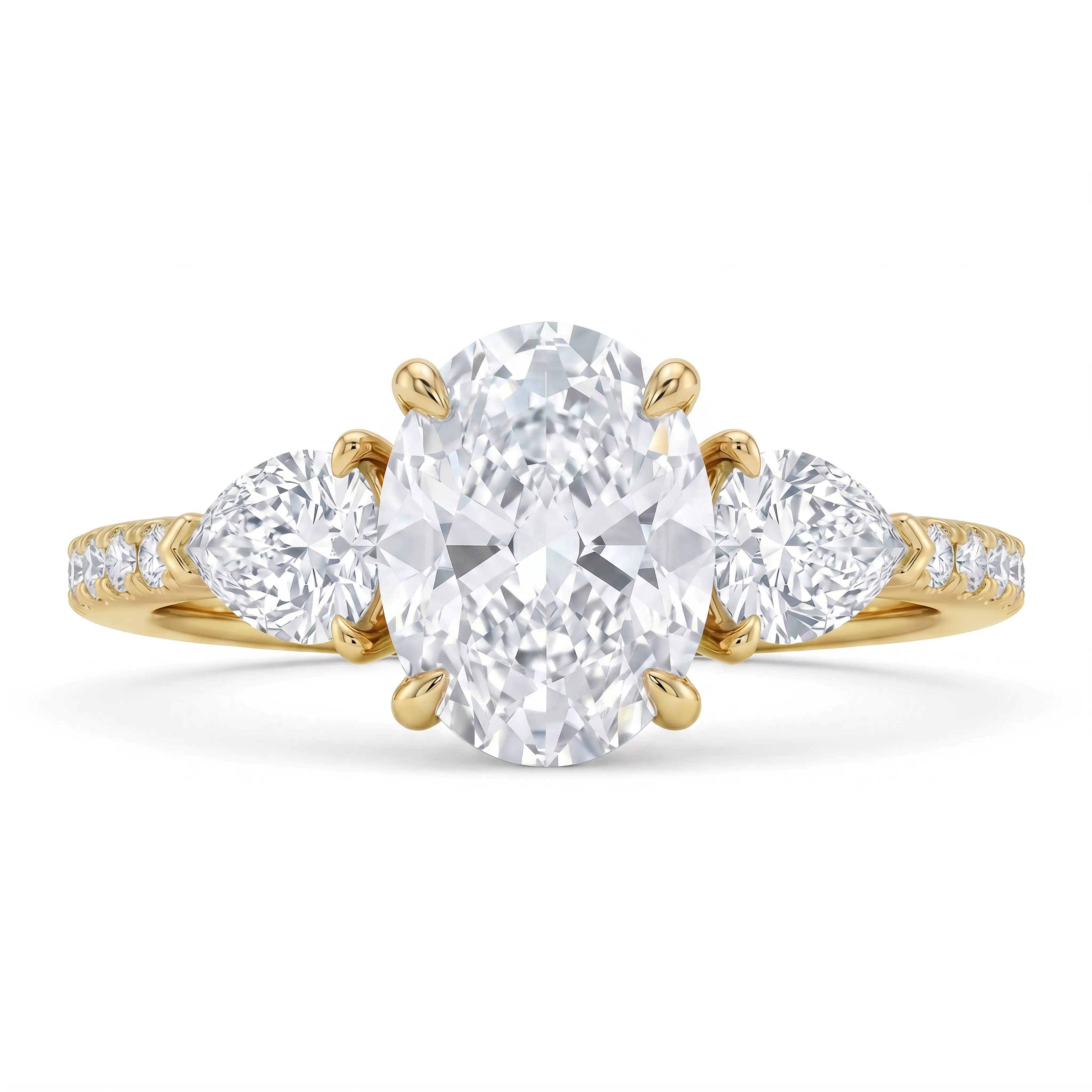
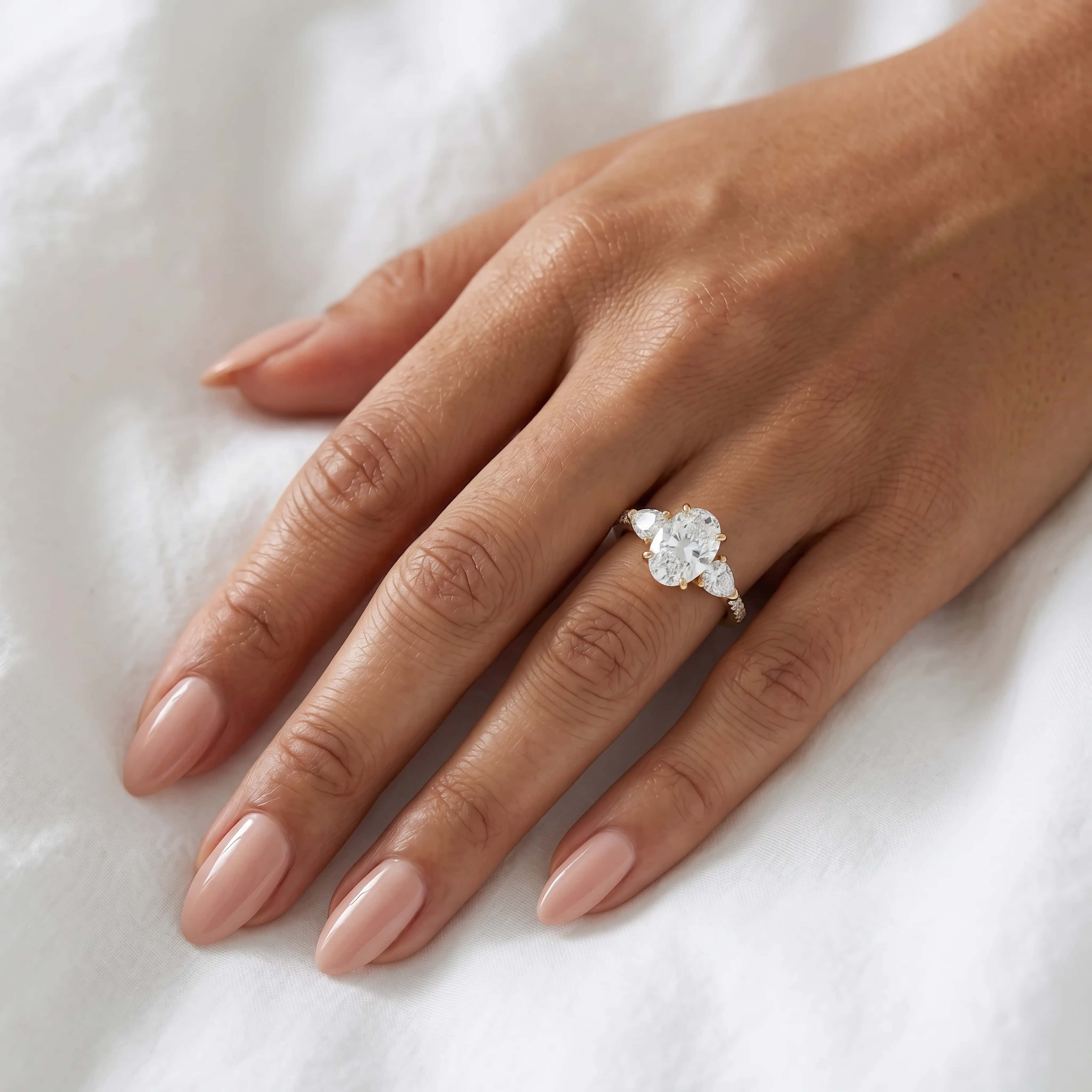
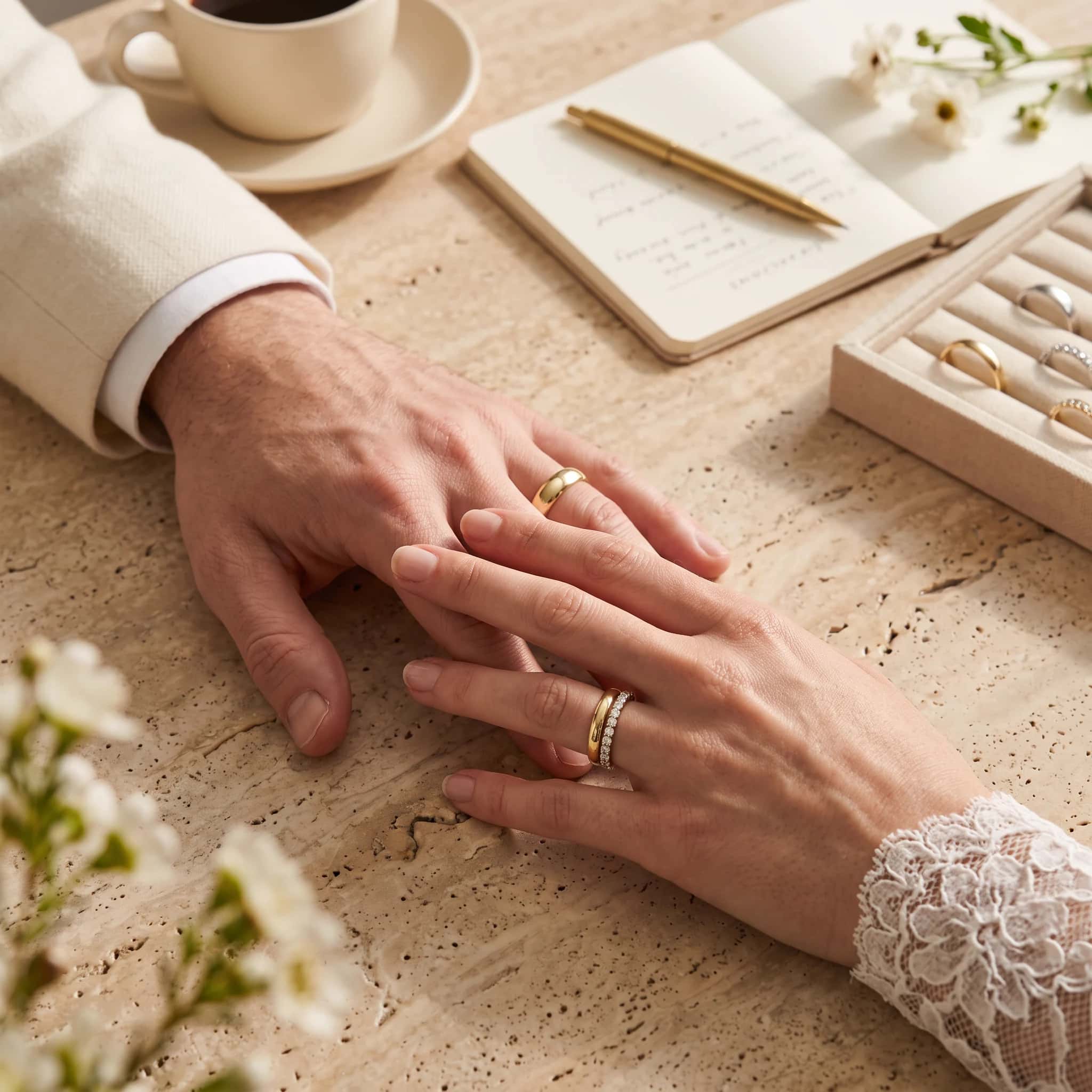
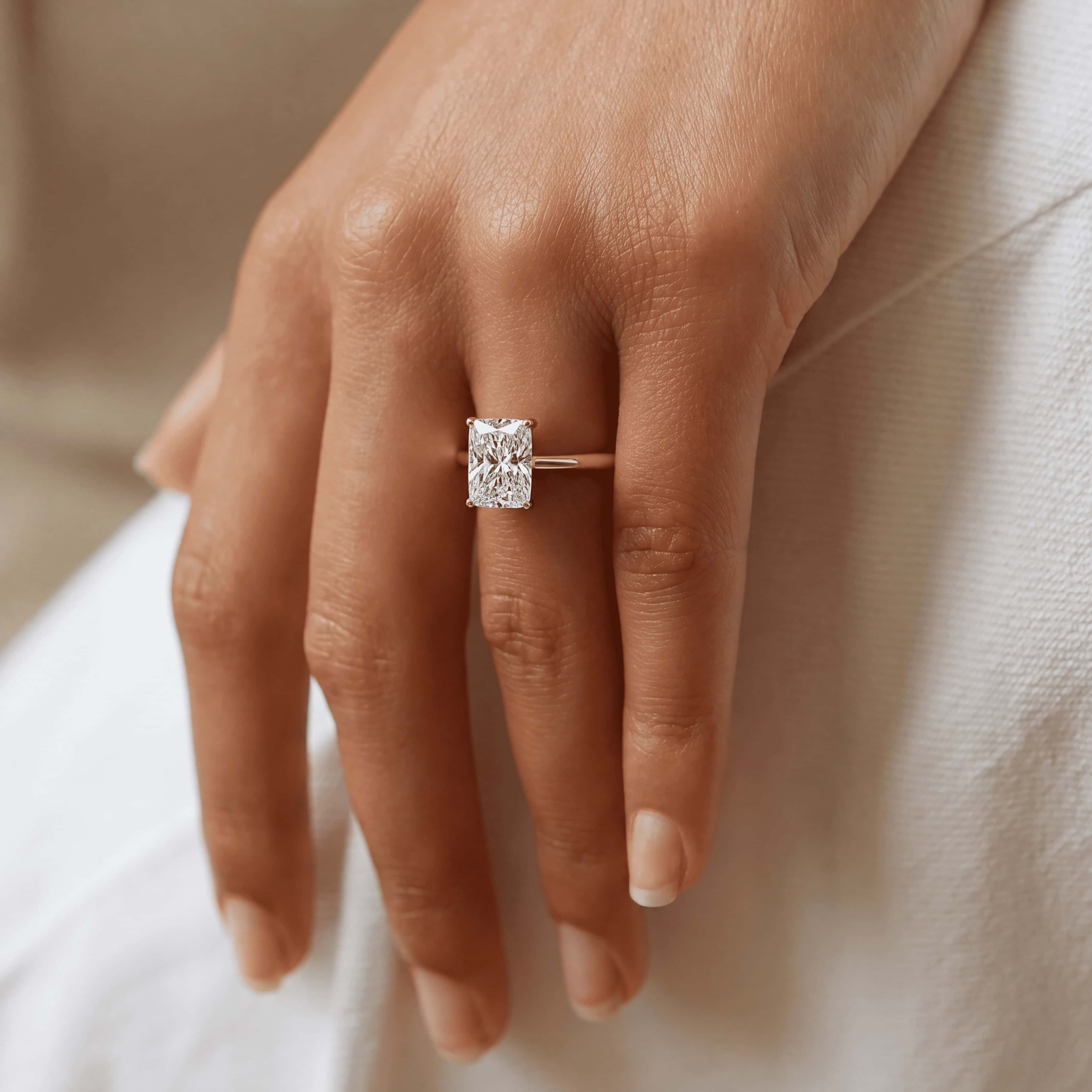
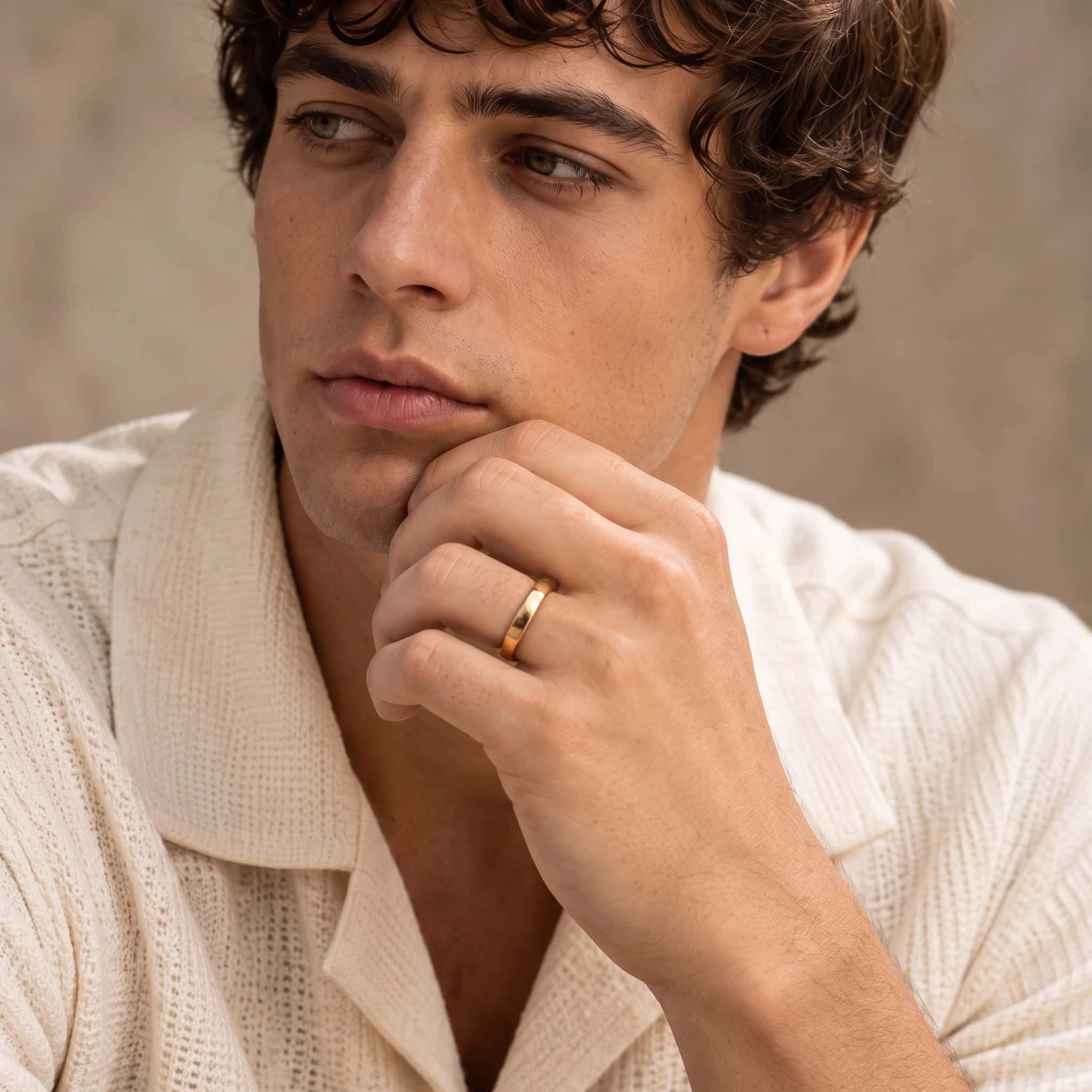
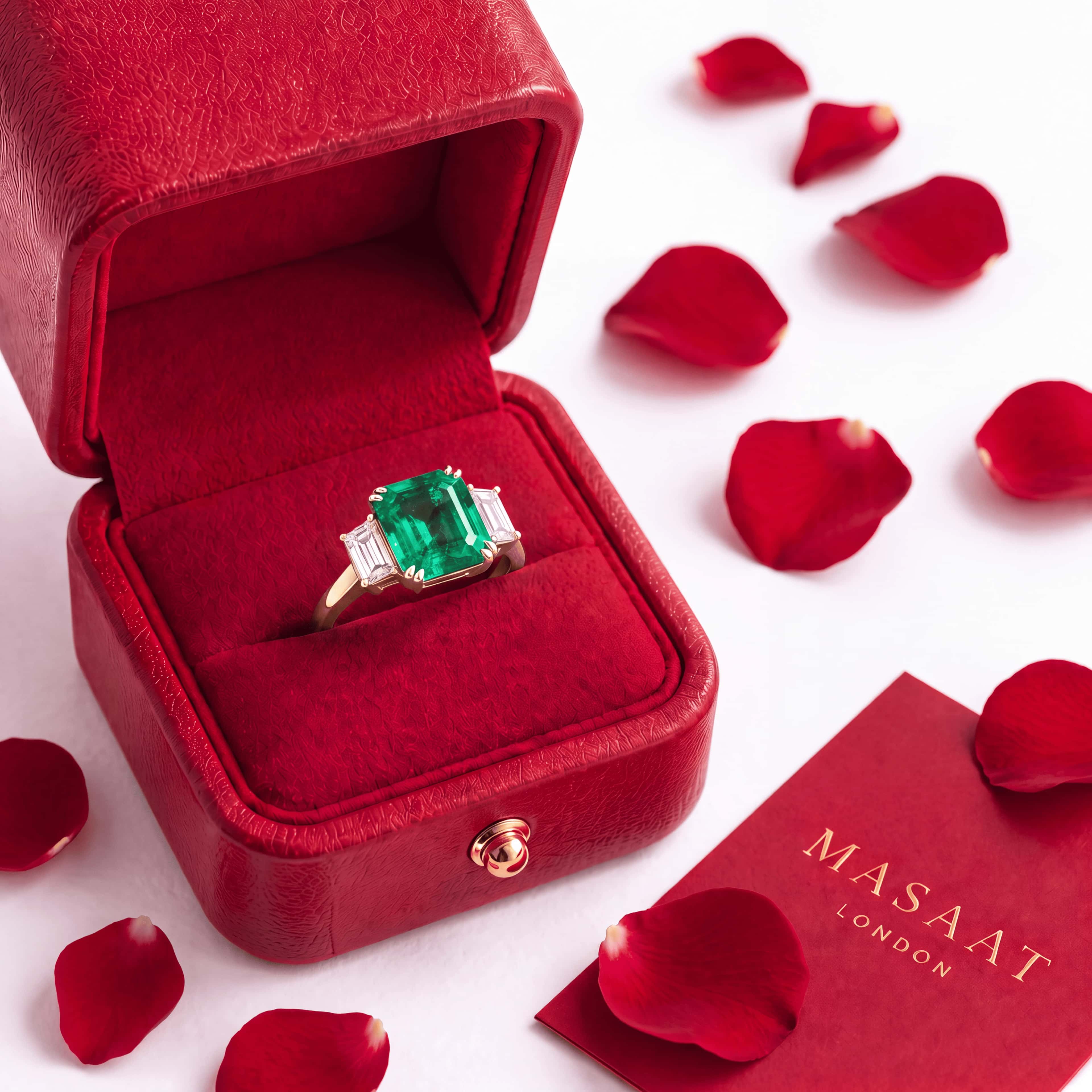
Diamond wedding band from the Masaat London collection, crafted in recycled gold.

Diamond Wedding RingsWedding Bands by Masaat London

A wedding ring should feel as considered as the promise it marks. Our diamond wedding ring designs are built around the same lab-grown diamonds and recycled gold that define our engagement and fine jewellery collections. Whether you are looking for a band to sit beside an existing engagement ring or a standalone diamond wedding ring, every piece is hallmarked, made in recycled gold, and set with independently graded diamonds.

Carefully Considered Craftsmanship

Every Masaat ring is hallmarked and made in recycled gold, hand-finished by skilled artisans, with attention paid to proportion, comfort and finish rather than trend-led design. Each ring passes through careful hands rather than a mass production line.

Lab-Grown Diamond Guidance

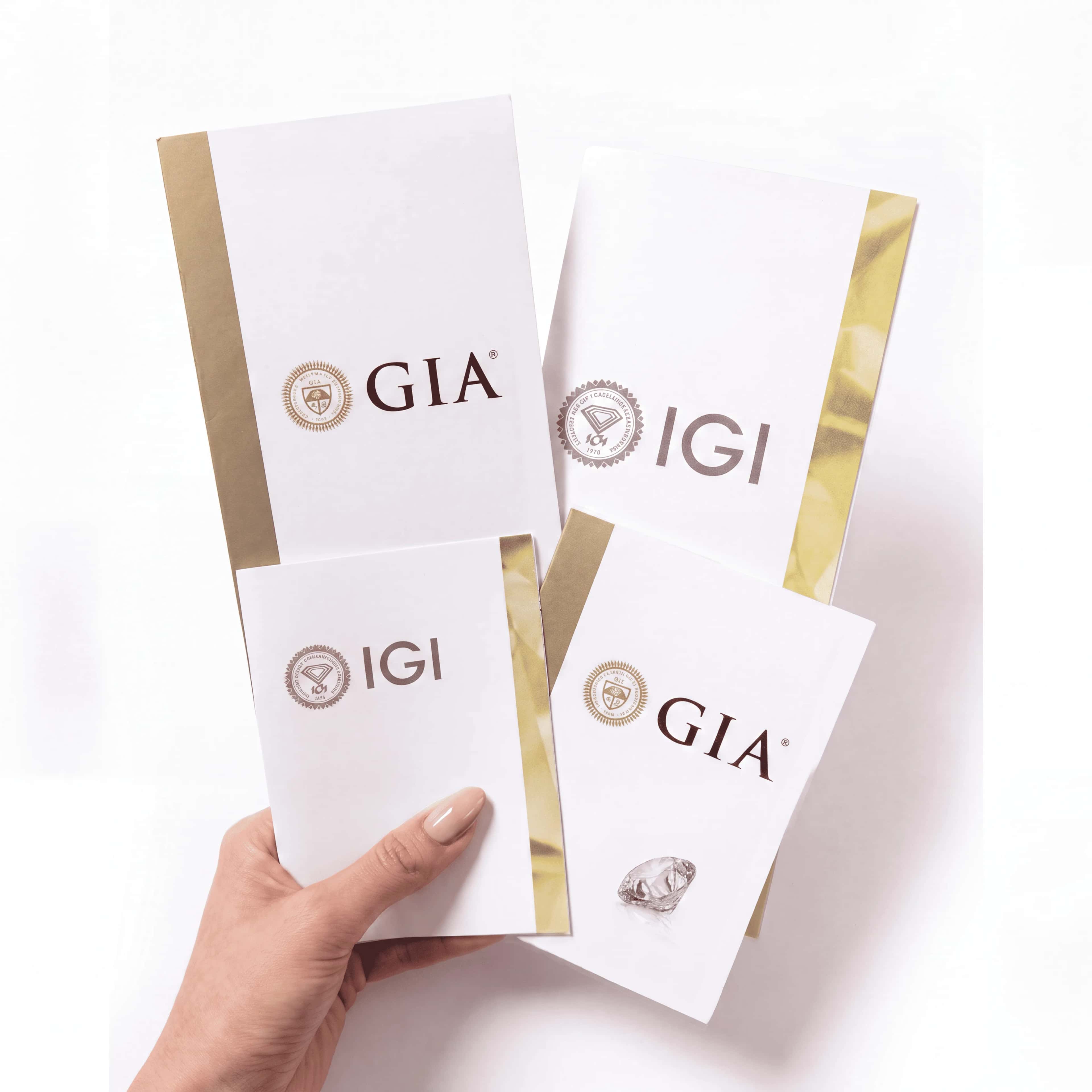
We can talk you through diamond origin, colour and setting style so you know exactly what you are choosing and why. Our natural and lab-grown diamonds carry GIA and IGI certification respectively.

Fitting and Pairing Advice

Ring shape, setting height and band width all affect how a wedding ring sits beside an engagement ring. We offer a fitting and pairing service, in person and virtually, so the two pieces are judged together rather than in isolation.

Lifetime Care

Complimentary cleaning, resizing and maintenance for every Masaat ring, alongside ethically sourced diamonds and responsibly sourced metals — a ring with integrity behind it, built to last a lifetime of wear.

Discover Masaat's Diamond Wedding Ring Collection

Masaat's wedding rings bring the same design language as our Lumen, Heirloom and Atlas lines to everyday bridal wear. Start with the stone that matters most to you — each route is set by hand and finished in hallmarked recycled gold.

Lab-grown diamond wedding rings
Lab-grown diamond wedding ring on model

Lab-Grown Diamond

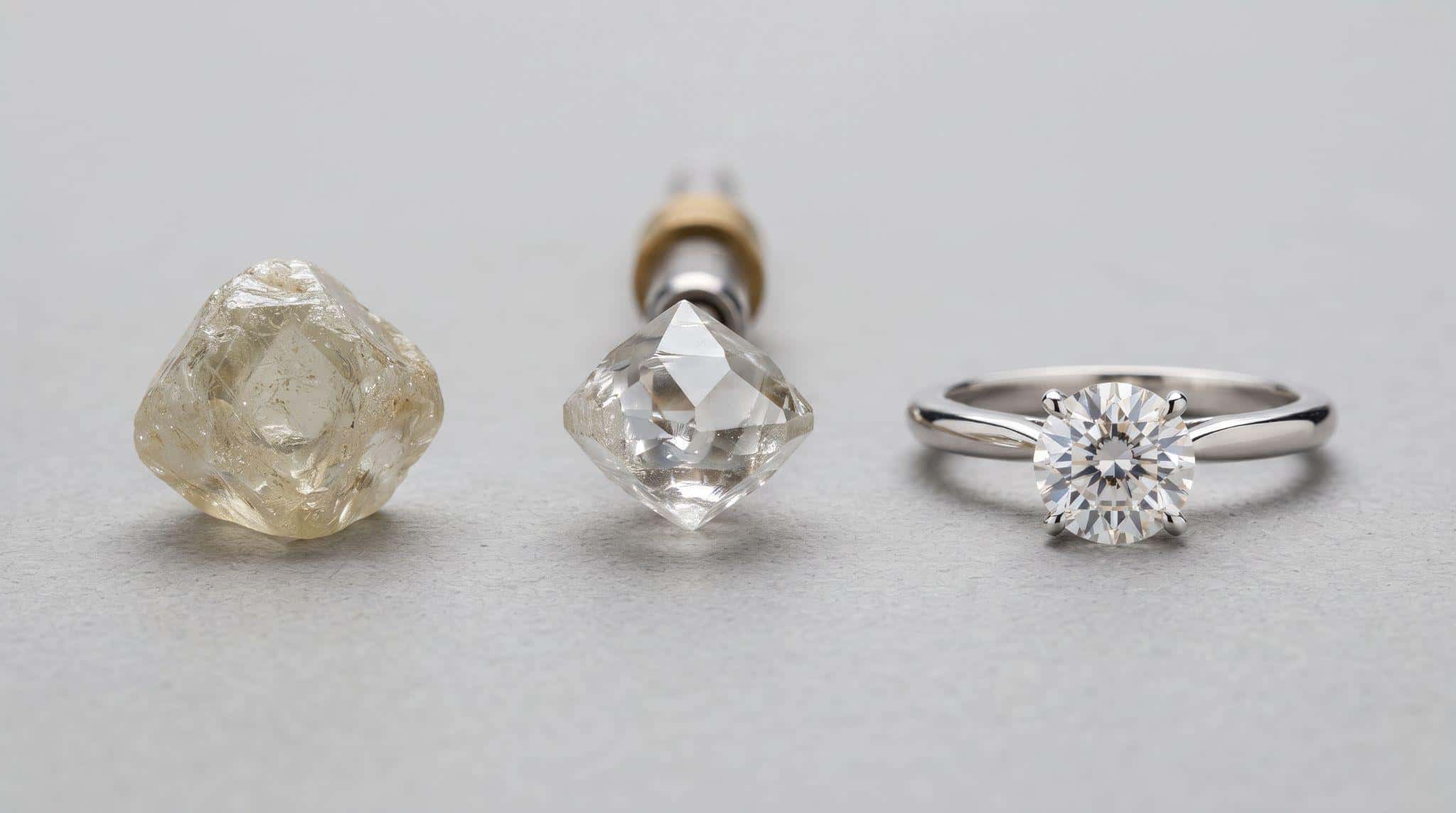
Lumen is built around lab-grown diamonds — chemically, physically and optically identical to natural stones, certified by the IGI. Choosing lab-grown typically means more diamond, in a higher colour and clarity grade, for the same budget.

Explore Lumen wedding bands
Natural diamond wedding rings
Natural diamond wedding ring on model

Natural Diamond

Heirloom sets GIA-graded natural diamonds into classic proportions — eternity bands, bezel-set designs and low-profile styles built to sit flush against an existing engagement ring.

Explore Heirloom wedding bands
Coloured gemstone wedding rings
Coloured gemstone wedding ring on model

Coloured Gemstone

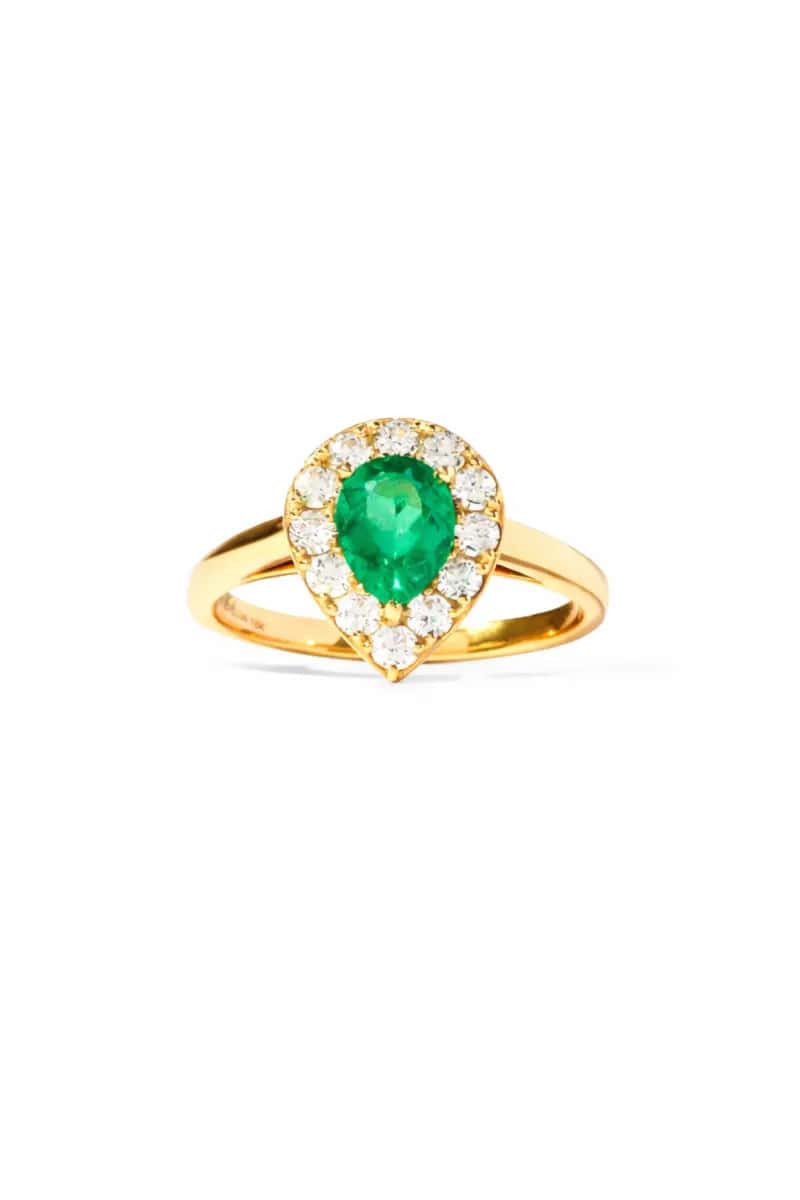
For couples who want colour in the pairing, Atlas draws on emeralds, aquamarines, tourmalines and sapphires, used as a centre stone or as accents alongside diamonds.

Discover Atlas designs

Understanding Diamond Cuts for Wedding Bands

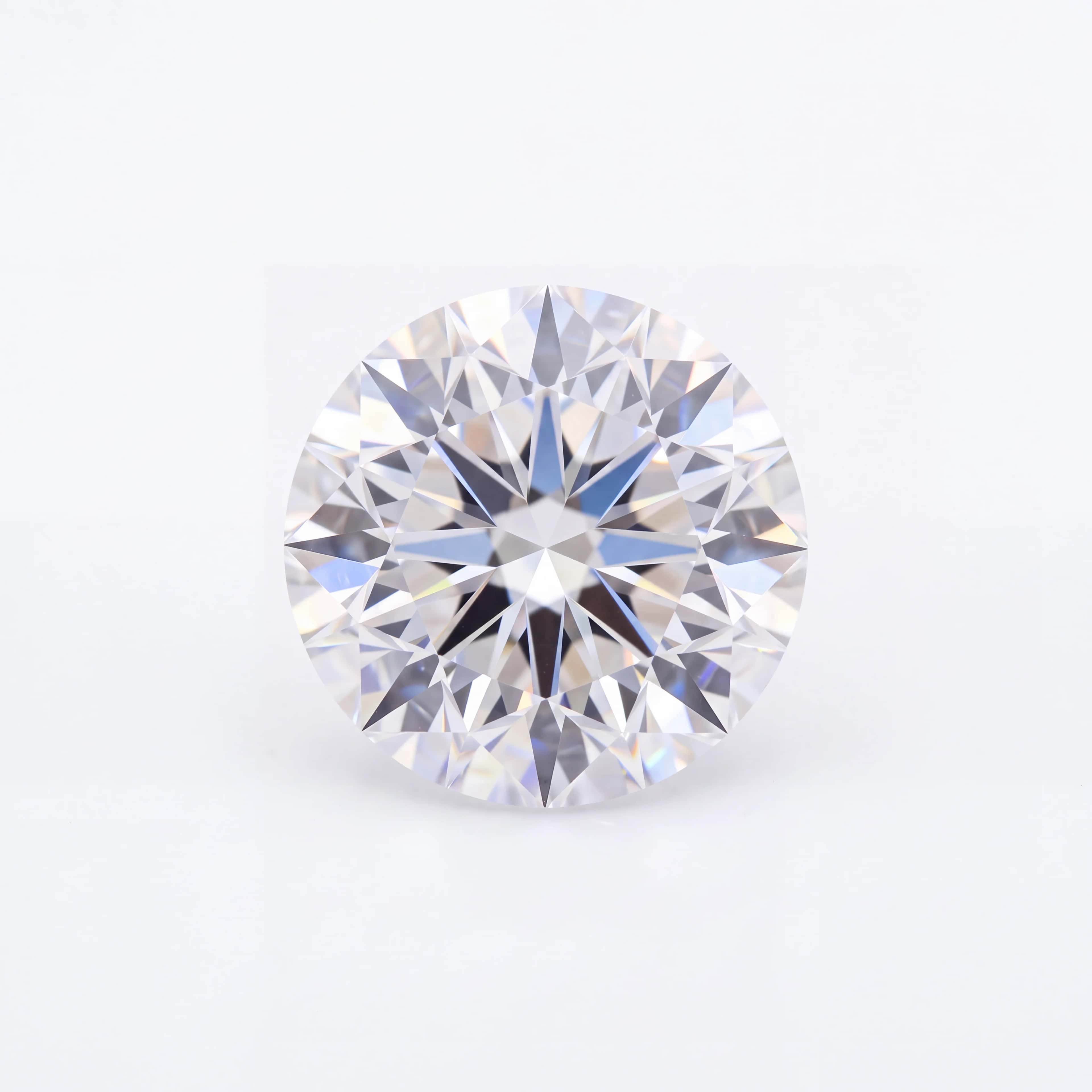
The way a diamond is cut affects how much it sparkles, how it catches light, and how it reads within a setting. Round brilliant cuts are the most common choice for wedding bands because of their consistent sparkle and versatility; other cuts create a more distinctive, patterned look.

Round
Round

Round brilliant diamonds are cut specifically to maximise light return, which makes them a dependable, versatile choice for pavé, channel, claw or eternity-style settings.

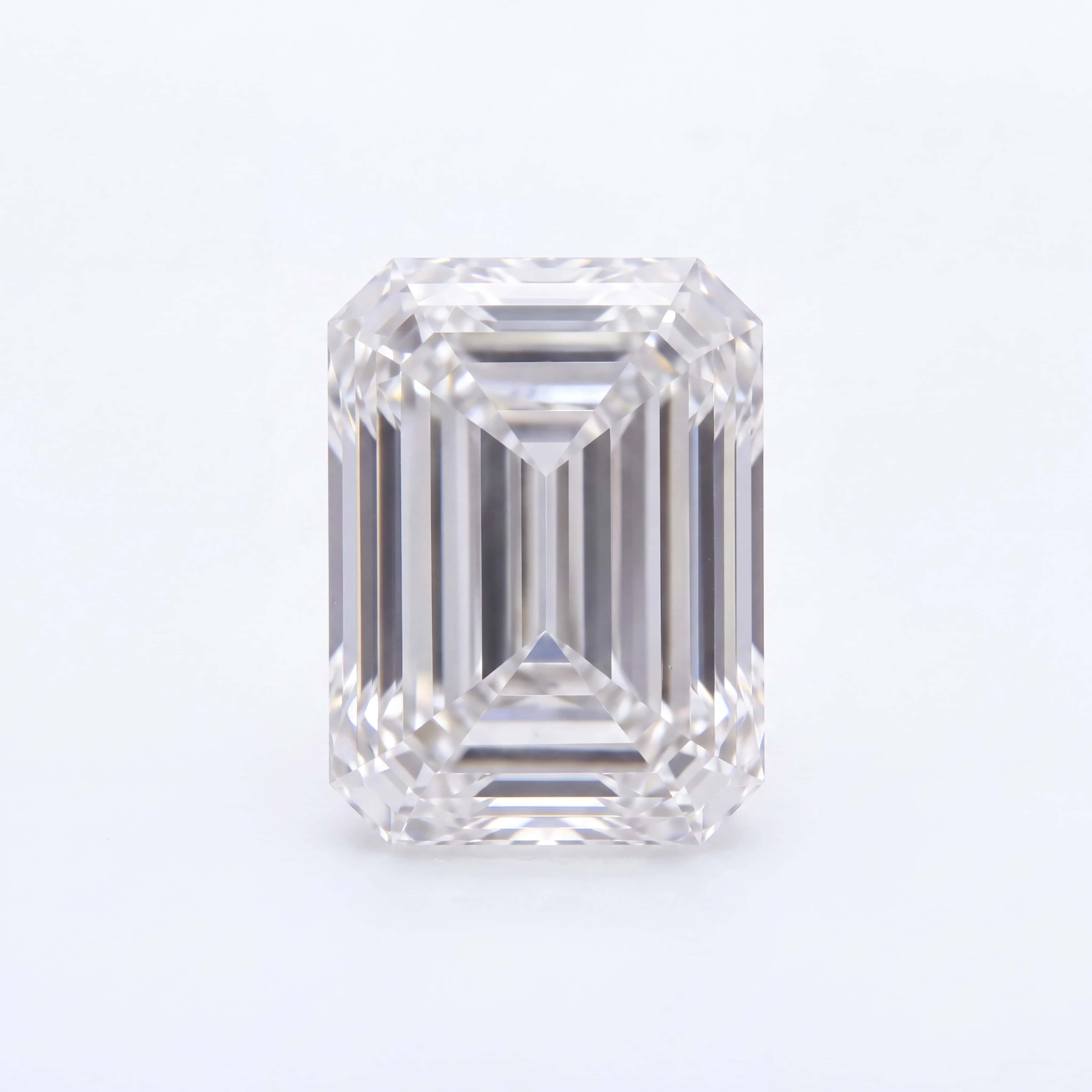
Emerald
Emerald

Long, rectangular step facets give the emerald cut an architectural, hall-of-mirrors character — a genuine strength across Masaat's own collections.

Oval
Oval

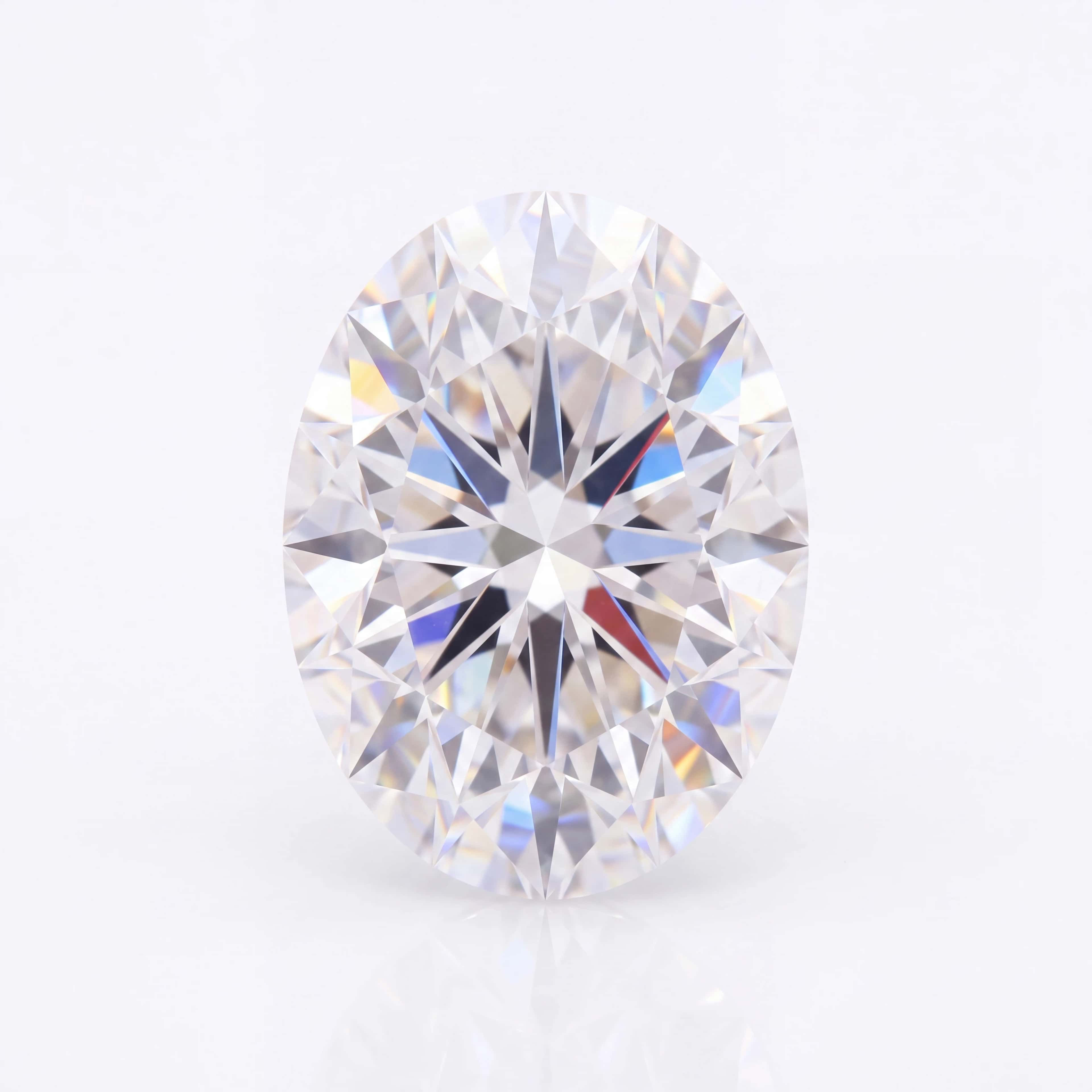
An oval reads longer than a round stone of the same weight, sitting elegantly along the line of the finger in a band setting.

Pear
Pear

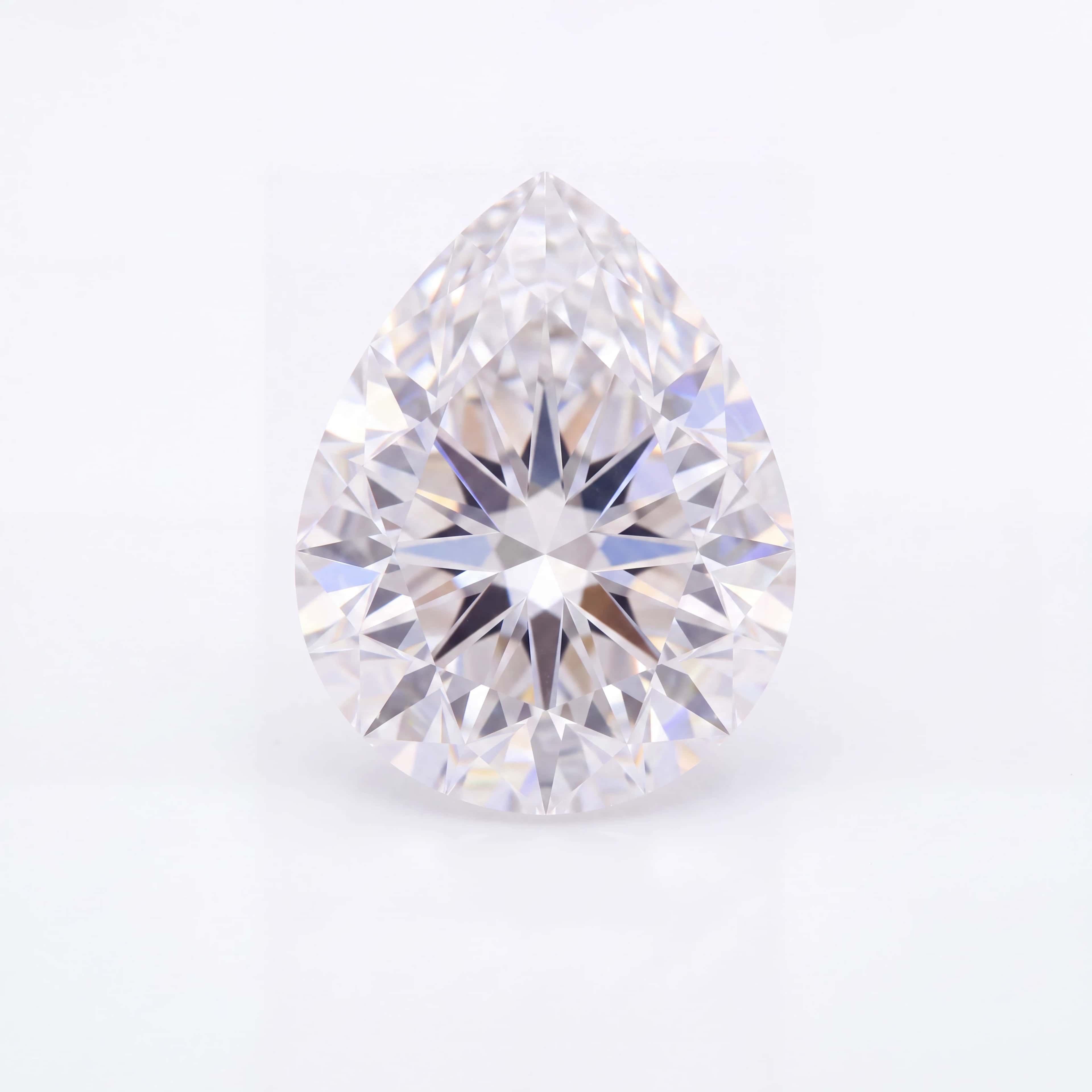
The pear's directional silhouette suits curved and contoured bands, where the point can follow the sweep of the design.

Cushion
Cushion

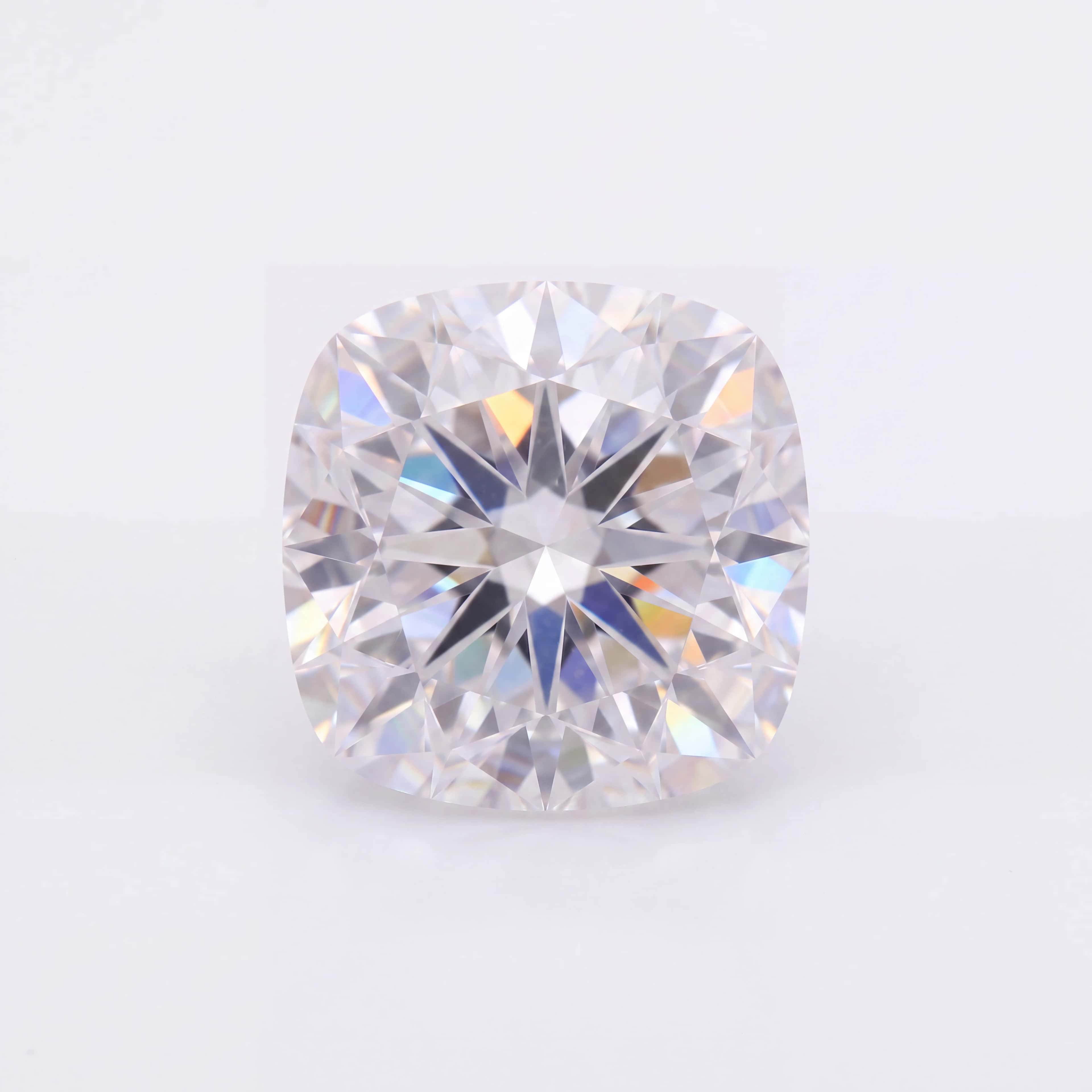
Softened corners and a warm brilliance give the cushion cut a slightly vintage feel that pairs well with ornamental band detailing.

Asscher
Asscher

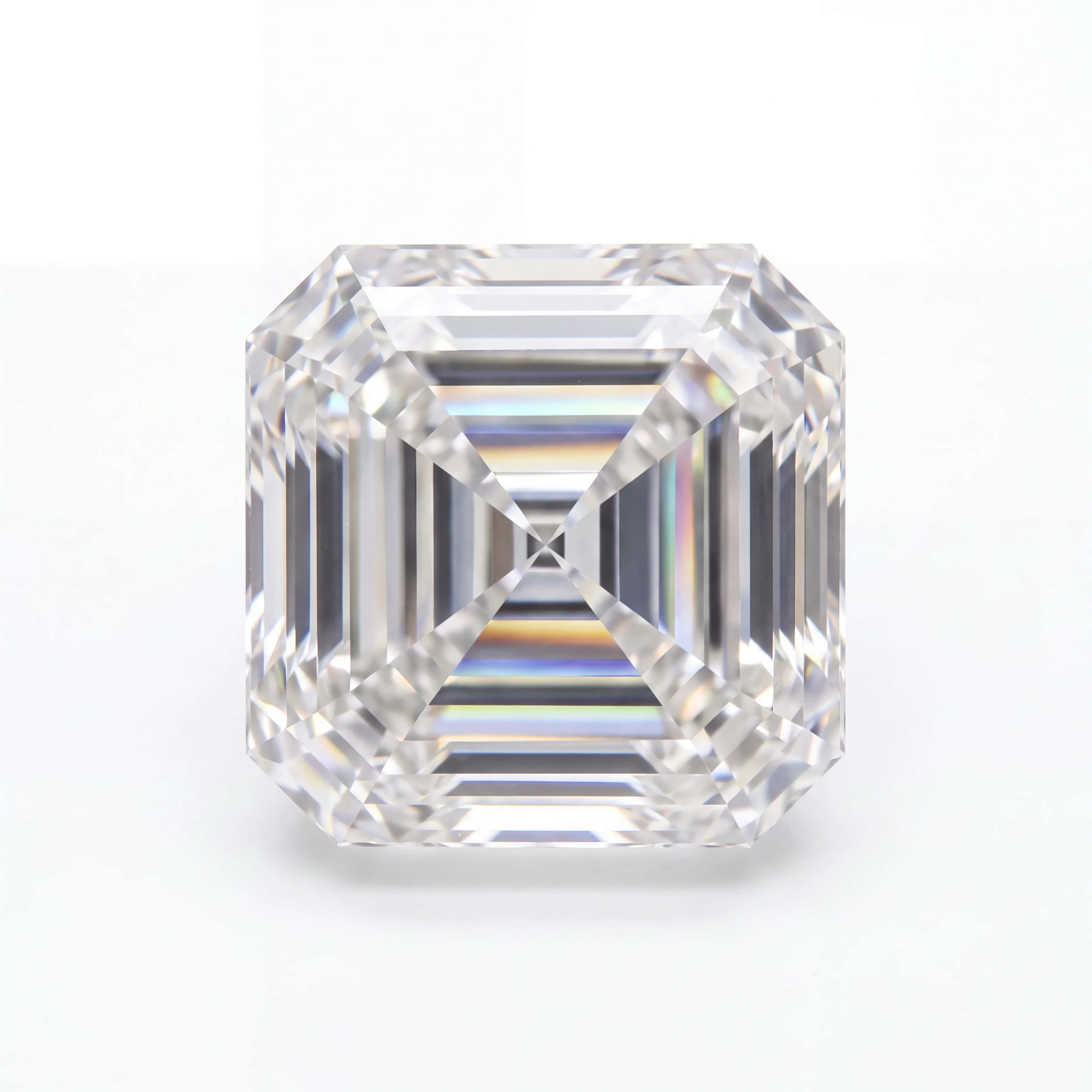
A square step cut with cropped corners and deep, concentric facets, for a band with an Art Deco sensibility.

Shop Diamond Wedding Rings by Style

Start by choosing a style that reflects your taste, your existing engagement ring, and how you live day to day. A flush, low-profile band will usually sit closer to an engagement ring than a wider or more heavily set design.

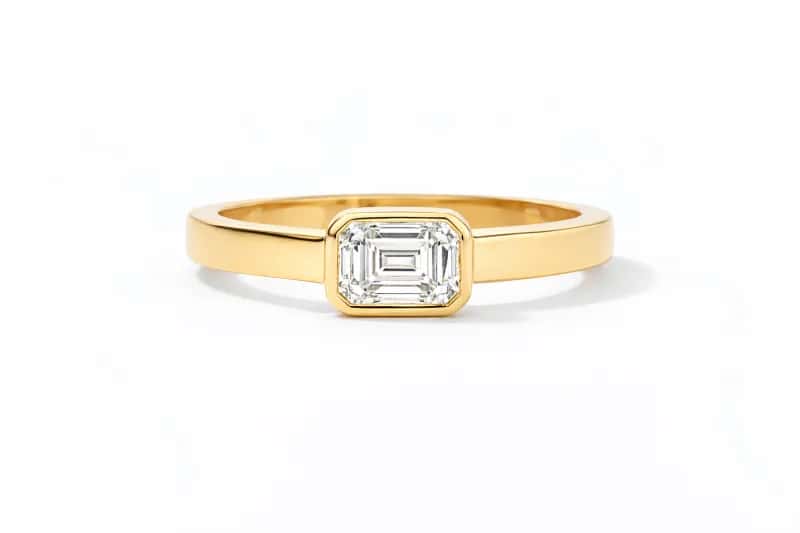
Bezel
Bezel model
Bezel

A fine metal edge wraps the stone completely for a flush, low profile — the most forgiving setting for daily wear, and the easiest to sit alongside an engagement ring.

Solitaire
Solitaire model
Solitaire

A single stone on a slim band, whether worn as a standalone wedding ring or chosen to echo the centre stone of an existing engagement ring.

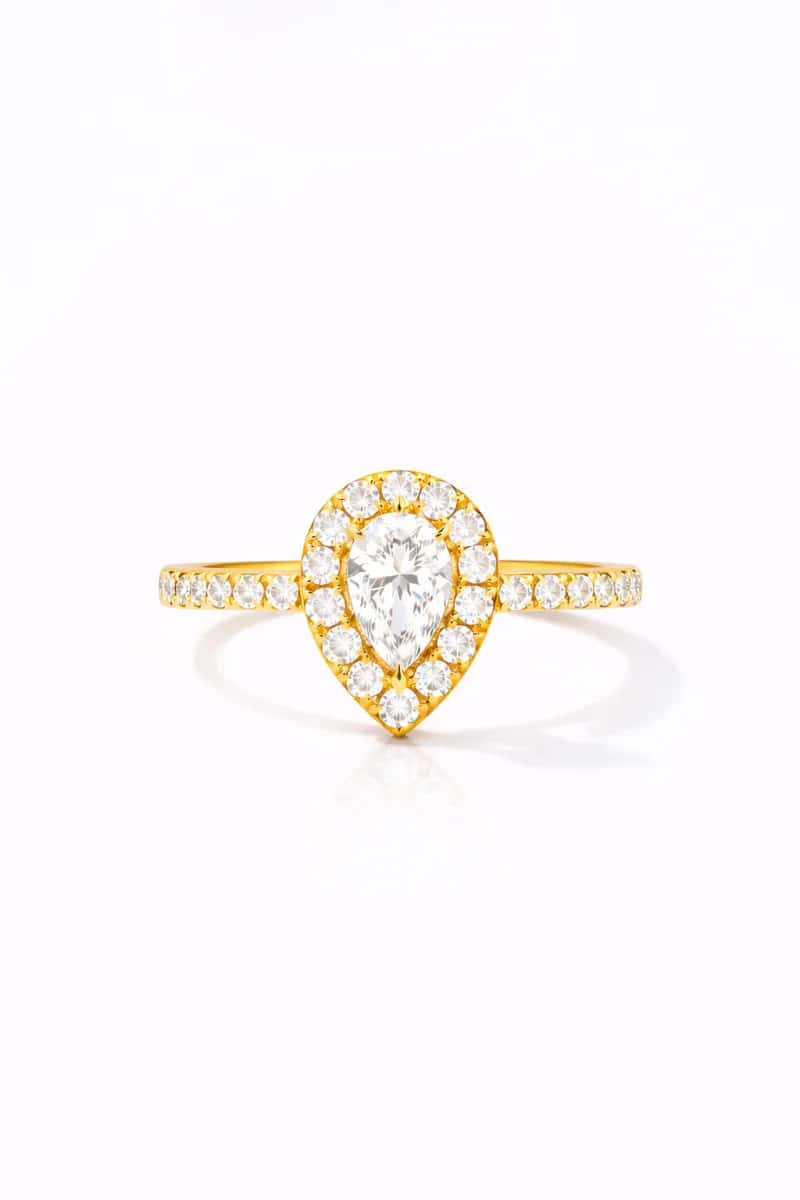
Halo
Halo model
Halo

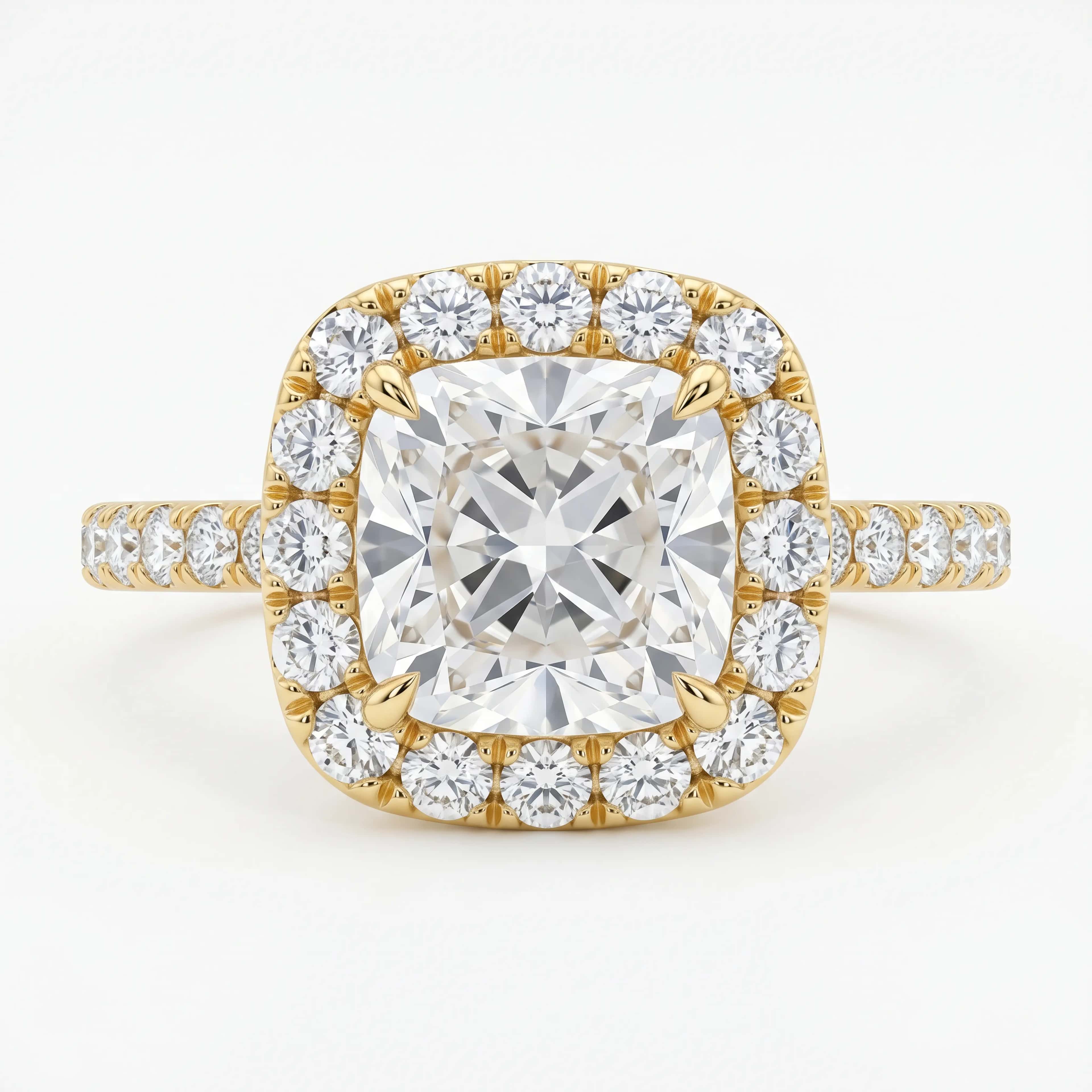
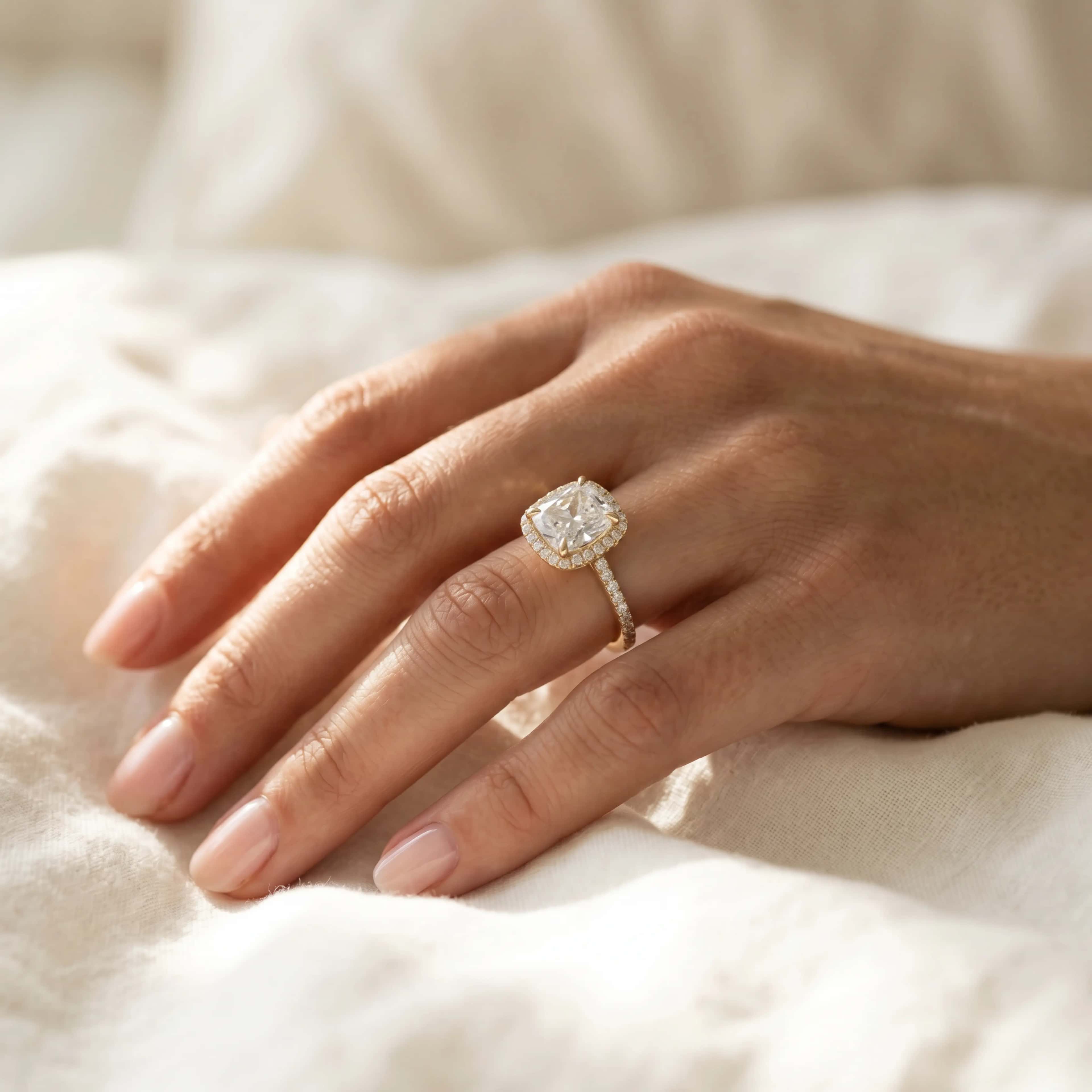
Smaller diamonds surround the centre stone for more visible sparkle. A halo usually calls for a curved or contoured band alongside it.

Toi-et Moi
Toi-et Moi model
Toi-et Moi

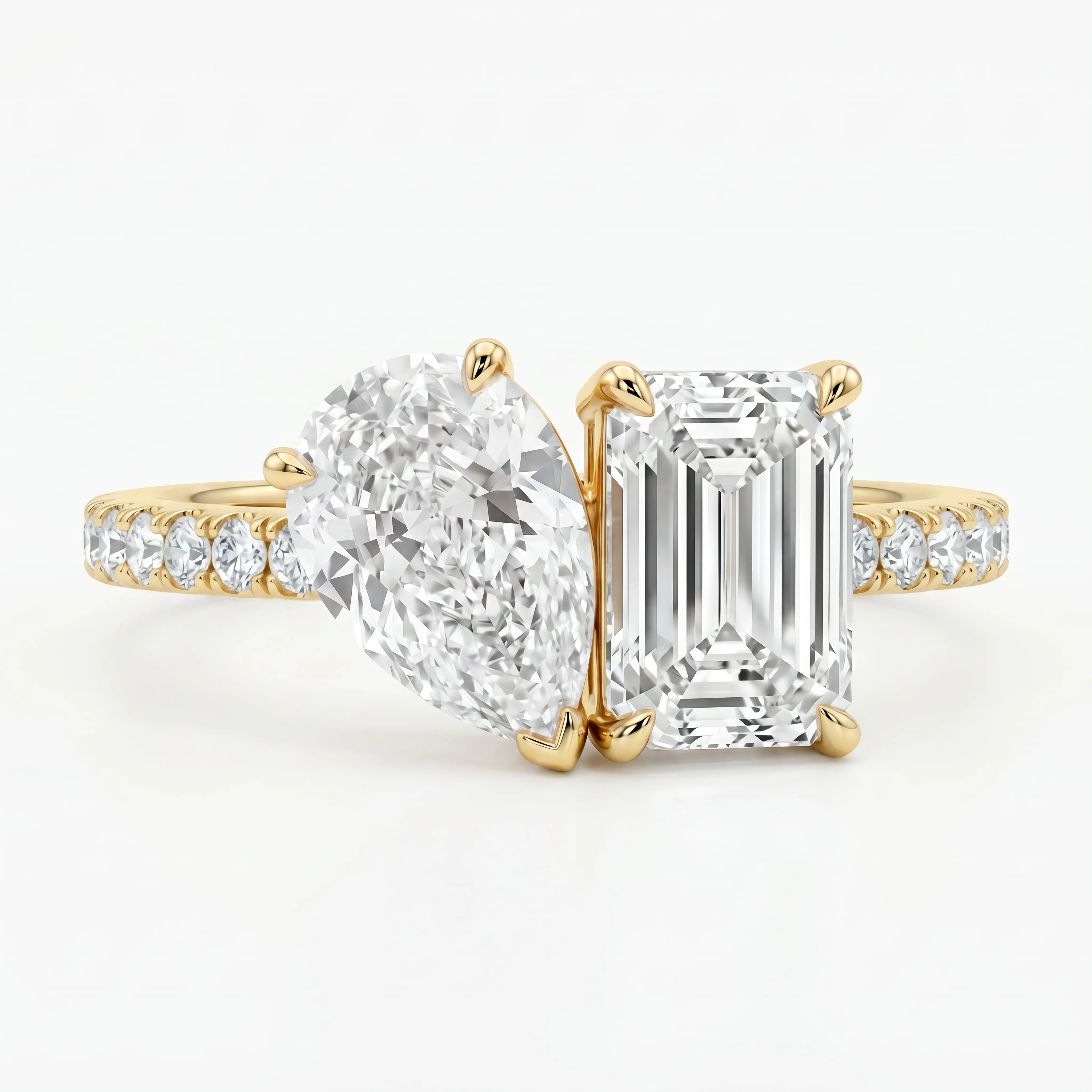
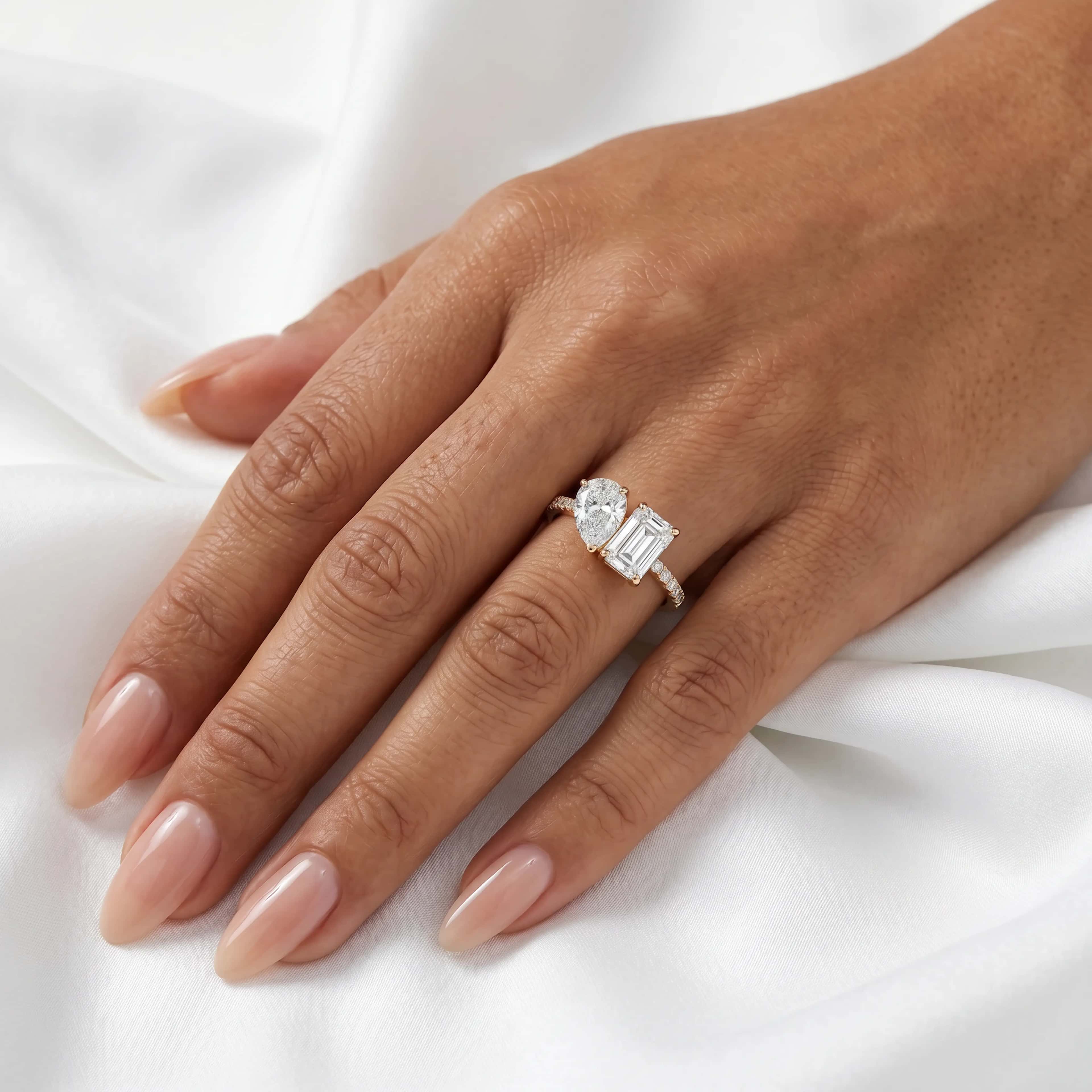
Two stones set side by side, matched or contrasting — a distinctive alternative to a plain band for couples who want the ring to read as its own piece.

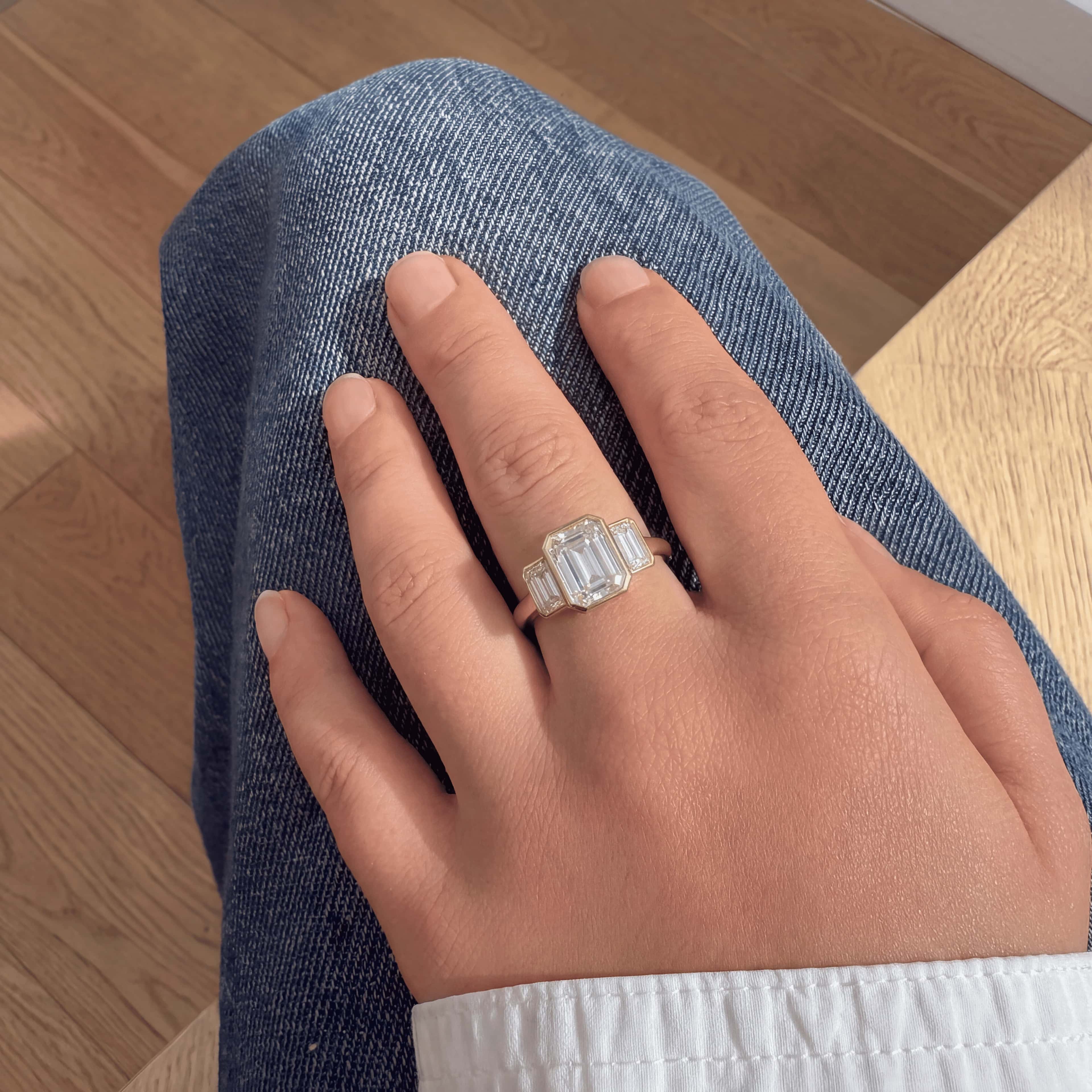
Trilogy
Trilogy model
Trilogy

Three stones set across the top of the band, traditionally read as past, present and future, and a natural fit for an anniversary or milestone piece.

Matching Wedding Rings With Your Engagement Ring

Choosing a wedding ring alongside an existing engagement ring is worth doing in person or with clear photos, since ring shape, setting height and band width all affect how the two sit together. A diamond wedding ring with a flush, low profile will usually sit closer to an engagement ring than a wider or more heavily set band, so it is worth trying both together, or checking sizing carefully before you commit. At Masaat we offer a fitting and pairing service, in person and virtually.

Matching is a preference rather than a requirement. Coordinating diamond size, coverage and metal tone between an engagement ring and wedding band is the simplest way to create a balanced look, even where the two pieces are not from the same design — but a deliberate contrast is an equally valid choice. If you already have a Masaat engagement ring, we can design the band around it.

Straight, Curved and Contoured Bands

A straight band can sit comfortably beside a low-set or flat-backed engagement ring; the main thing to check is whether the two create a visible gap you are happy with. A curved or contoured band is often required where the engagement ring's setting extends further around the finger, such as with a halo or a pavé-set band, so the two rings sit flush against one another.

How to Choose the Perfect Wedding Ring

The right wedding ring balances design, comfort, durability, lifestyle and budget, not just the diamond detail. It is worth thinking about how the ring will hold up to your daily routine as much as how it looks on the day. If your hands are active — manual work, regular exercise, frequent hand-washing — a lower-profile setting with secure claws or channels will generally hold up better than a raised, delicate one.

Width and profile matter too: wider bands tend to suit larger hands and pair well with statement engagement rings, while narrower bands sit more discreetly and are often chosen to complement a delicate existing ring. Ring size can fluctuate with temperature and time of day, and a band's width affects how it should be sized — a wider band typically needs to be sized slightly larger than a narrow one for the same comfortable fit. It is best not to assume your wedding ring size will match your engagement ring size exactly; get measured for each piece separately.

Eternity Rings Versus Traditional Wedding Bands

An eternity-style wedding ring is a band set with diamonds either partway or fully around its circumference, traditionally worn as a symbol of ongoing commitment. A plain or lightly diamond-set band is generally easier to resize, lower maintenance, and less likely to need regular setting checks. A full-eternity band gives continuous sparkle but is harder — sometimes impossible — to resize once made, since the diamonds run the full circumference. Half-eternity designs sit in between: visible sparkle from the front, easier resizing than a full-eternity piece, and typically a lower price point for a similar look.

Choosing Diamond Quality and Metal

Diamond quality is generally assessed across four factors — cut, colour, clarity and carat weight — and all four affect how a stone looks once it is set, not just on paper. In a wedding band, where diamonds are often small and closely spaced, visual consistency across the stones usually matters more than chasing the highest possible grade on any single factor. Setting style also affects how quality reads: a diamond in a bright, well-polished claw setting can appear more brilliant than the same stone in a heavier bezel, regardless of grade.

Masaat rings are crafted in recycled 18ct and 9ct gold, hallmarked to UK standards. No metal is universally best; it comes down to appearance, maintenance and what you are pairing it with. Yellow gold offers a warm tone that pairs naturally with our lab-grown diamonds, sits well against both classic and contemporary settings, and requires less specific maintenance than plated white metals.

Bespoke Diamond Wedding Ring Design

A bespoke wedding ring is designed around you rather than picked from a catalogue, and the process runs in seven stages:

  • Initial consultation — meet one-to-one with our design specialist to share your vision, style preferences and budget.
  • Engagement ring assessment — we review your engagement ring's metal, setting and stone so the wedding ring complements it in style and fit.
  • Metal, diamond and setting selection — choose from our curated selection of precious metals, ethically sourced diamonds and setting styles.
  • Design proposal — receive a detailed sketch or 3D render for review, along with pricing and material specifications.
  • Fitting — try on a wax or sample model to confirm sizing and comfort before final crafting begins.
  • Crafting — our master jewellers hand-craft your ring using traditional techniques and precision setting.
  • Delivery — your finished ring is inspected, polished and presented in signature Masaat packaging.

Before your ring is made, it is worth confirming the metal, ring width, ring profile, diamond setting and coverage, ring size, fit alongside any existing engagement ring, engraving, and the expected completion date.

How to Care for a Diamond Wedding Ring

A diamond wedding ring benefits from routine cleaning: warm water and a soft brush is usually enough for everyday buildup, and it is worth avoiding harsh chemicals, chlorine and abrasive cleaning products, which can affect both the metal and any rhodium plating. Take the ring off for high-impact work, heavy lifting, or activities where it could be knocked or scratched, and have the setting checked periodically so any loose stones are caught early rather than lost. Store your ring separately from other jewellery to avoid scratching, and keep purchase documentation together in case you need it for insurance.

Wedding Ring Guides and Expert Advice

Guides covering the decisions behind a wedding band — diamond quality, certification, metal choice and how lab-grown and natural stones compare.

Choosing the Right Metal for Your Engagement Ring

Choosing the Right Metal for Your Engagement Ring

Choosing an engagement ring is one of the most exciting parts of planning a proposal. Most people naturally focus on the diamond, gemstone, or overall design, but the metal chosen for the ring is equally important. It shapes the ring's appearance, influences how it wears over time, and contributes significantly to its character.

READ MORE
Lab-Grown vs Natural Diamonds: What You Need To Know

Lab-Grown vs Natural Diamonds: What You Need To Know

Picking an engagement ring has always carried a certain weight to it, not just financially, but emotionally. For a growing number of people, exploring a lab-grown diamond option alongside natural diamonds has become a natural part of that conversation.

READ MORE

Frequently Asked Questions

The best style depends on personal taste, lifestyle and how the ring will sit with any existing engagement ring. Classic, low-profile bands suit everyday wear and versatility, while more heavily diamond-set styles suit people who want more visible sparkle. There is no single correct choice — comfort and how often you will want to wear it day to day matter as much as appearance.

Yes, provided the setting is secure and appropriate for your routine. Lower, flush settings generally hold up better to daily knocks than raised ones. Regular checks on the setting, and removing the ring for high-impact activities, help keep it wearable long-term.

Matching is a preference, not a requirement. Some people coordinate metal and diamond style closely; others deliberately mix metals or styles for contrast. Trying both rings together — or comparing clear photos — is the most reliable way to judge fit and balance before buying.

There is no metal that is universally best; it comes down to appearance, maintenance and what you are pairing it with. Masaat rings are crafted in recycled 18ct and 9ct gold, hallmarked to UK standards. Yellow gold offers a warm tone and requires less specific maintenance than plated white metals.

A wedding ring traditionally marks the wedding itself, while an eternity ring — set with diamonds partway or fully around the band — is often given later as a milestone piece, though some people also choose an eternity-style design as their wedding ring.

Get measured professionally rather than estimating, ideally at a neutral time of day since fingers can swell in heat and shrink in cold. Band width affects sizing too — wider bands typically need to be sized slightly looser than narrow ones for the same comfortable fit.

There is no fixed spending rule. Metal, diamond coverage, setting complexity and band width all affect price, and the right budget is whatever is comfortable for you.

That is entirely down to personal preference. A plain band and a diamond-set band mark the same commitment; the choice usually comes down to style, comfort with everyday wear, and budget.

It depends on the design. Plain and half-set bands can usually be resized without issue. Fully diamond-set bands are harder, and sometimes impossible, to resize once made, so it is worth confirming your size carefully before ordering that style.

Clean it regularly with warm water and a soft brush, avoid harsh chemicals, remove it for high-impact activity, and have the setting checked periodically so any loose stones are caught early. Store it separately from other jewellery to avoid scratching.

Yes — this is one of our specialities. We assess your engagement ring's metal, setting and diamond, then design a wedding ring that sits flush and complements it, whether that means a curved band, matching metal and diamond details, or a fully custom profile. Book a consultation with our design team to get started.

A half-eternity ring features diamonds set across half its circumference, usually the top, while a full-eternity ring has diamonds encircling the entire band. Masaat London crafts both styles, letting you choose the balance of sparkle and comfort — and half-eternity designs are generally easier to resize.

Find Your Perfect Diamond Wedding Band

Our diamond wedding ring designs are built on lab-grown diamonds and hallmarked recycled gold, the same standards that run through Lumen, Heirloom and Atlas. Whether you envision a classic band or a bespoke design entirely your own, our master jewellers are here to bring it to life.